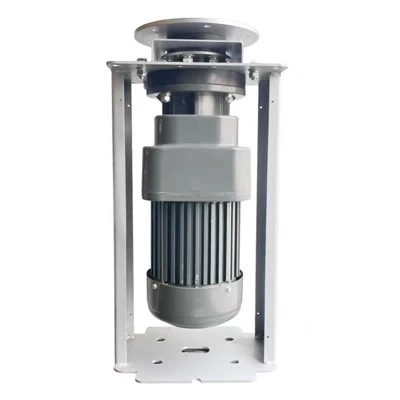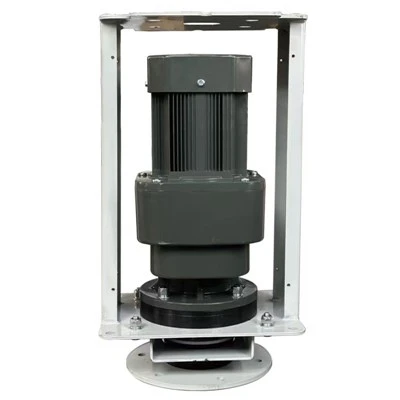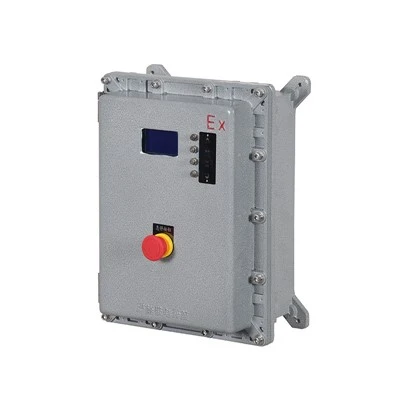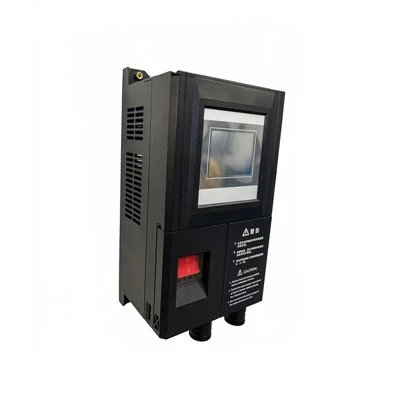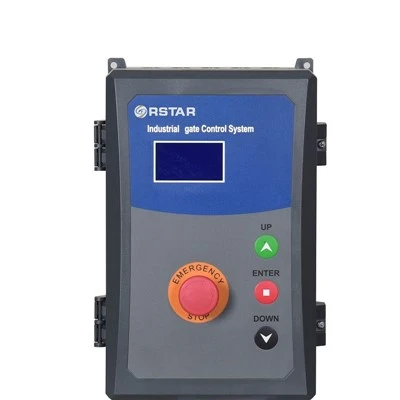

HVLS (High Volume, Low Speed) fan motors are the heart of large-scale ventilation systems, providing efficient and effective air movement in various industrial and commercial settings. As a leading supplier of HVLS fan motors, we understand the importance of proper maintenance to ensure the longevity and optimal performance of these critical components. In this blog post, we will explore the different types of maintenance that an HVLS fan motor requires, offering insights and recommendations to help you keep your equipment running smoothly.
Regular Inspections
Regular inspections are the cornerstone of any maintenance program for HVLS fan motors. By conducting routine checks, you can identify potential issues early on and take proactive measures to prevent costly breakdowns. Here are some key areas to focus on during inspections:
- Visual Inspection: Start by visually examining the motor for any signs of damage, such as cracks, leaks, or loose connections. Check the motor housing, wiring, and mounting brackets for any visible wear or tear. Pay special attention to the fan blades, as any imbalance or damage can cause excessive vibration and stress on the motor.
- Lubrication: Proper lubrication is essential for the smooth operation of the motor. Check the lubrication levels and condition of the bearings regularly. If the lubricant appears dirty or contaminated, it should be replaced immediately. Follow the manufacturer's recommendations for the type and frequency of lubrication.
- Temperature and Vibration: Monitor the temperature and vibration levels of the motor during operation. Excessive heat or vibration can indicate a problem with the motor or its components. Use a thermometer or infrared camera to measure the temperature of the motor housing, and a vibration analyzer to detect any abnormal vibrations. If the temperature or vibration levels are outside the normal range, investigate the cause and take corrective action.
- Electrical Connections: Inspect the electrical connections of the motor to ensure they are tight and secure. Loose or corroded connections can cause electrical arcing, which can lead to motor failure. Check the terminals, wiring, and plugs for any signs of damage or corrosion. If necessary, clean or replace the connections.
Cleaning and Dust Removal
HVLS fan motors operate in environments where dust, dirt, and debris are common. Over time, these contaminants can accumulate on the motor and its components, reducing its efficiency and increasing the risk of overheating. Regular cleaning and dust removal are essential to maintain the performance and reliability of the motor. Here are some tips for cleaning an HVLS fan motor:
- Power Off: Before cleaning the motor, make sure it is completely powered off and disconnected from the electrical supply. This will prevent any risk of electric shock.
- Use Compressed Air: Use a compressed air hose or a vacuum cleaner to remove dust and debris from the motor housing, cooling fins, and ventilation openings. Be careful not to damage the motor or its components while cleaning.
- Clean the Fan Blades: The fan blades can also accumulate dust and debris, which can affect the balance and performance of the fan. Use a soft brush or a cloth to clean the fan blades, making sure to remove any dirt or grime.
- Check the Air Filters: If the HVLS fan is equipped with air filters, check them regularly and clean or replace them as needed. Clogged air filters can restrict the airflow to the motor, causing it to overheat.
Belt and Pulley Maintenance
Many HVLS fan motors use belts and pulleys to transfer power from the motor to the fan blades. Proper maintenance of these components is essential to ensure the efficient and reliable operation of the fan. Here are some key points to keep in mind when maintaining belts and pulleys:
- Tension Adjustment: Check the tension of the belts regularly and adjust them as needed. Loose belts can slip, reducing the efficiency of the motor and causing excessive wear on the belts and pulleys. On the other hand, over-tightened belts can put excessive stress on the motor and its components, leading to premature failure.
- Alignment: Ensure that the belts and pulleys are properly aligned. Misaligned belts and pulleys can cause excessive vibration and wear, as well as reduce the efficiency of the motor. Use a belt alignment tool to check and adjust the alignment of the belts and pulleys.
- Inspection: Inspect the belts and pulleys for any signs of wear, damage, or cracking. Replace any worn or damaged belts or pulleys immediately to prevent further damage to the motor or other components.
- Lubrication: Some belts and pulleys may require lubrication to reduce friction and wear. Follow the manufacturer's recommendations for the type and frequency of lubrication.
Motor Testing and Troubleshooting
In addition to regular inspections and maintenance, it is also important to conduct periodic motor testing and troubleshooting to ensure the optimal performance of the HVLS fan motor. Here are some common motor tests and troubleshooting techniques:
- Insulation Resistance Testing: Insulation resistance testing is used to measure the resistance of the motor's insulation to electrical current. A low insulation resistance value can indicate a problem with the insulation, such as moisture or damage. Use an insulation resistance tester to perform this test regularly.
- Megger Testing: Megger testing is a more comprehensive test that measures the insulation resistance of the motor's windings. This test can detect more serious insulation problems, such as short circuits or ground faults. Use a megger tester to perform this test periodically.
- Vibration Analysis: Vibration analysis is used to detect any abnormal vibrations in the motor. By analyzing the vibration patterns, you can identify potential problems with the motor or its components, such as misalignment, imbalance, or bearing wear. Use a vibration analyzer to perform this test regularly.
- Troubleshooting: If the motor is not operating properly, it is important to troubleshoot the problem to determine the cause. Start by checking the electrical connections, fuses, and circuit breakers. If these are all in good condition, perform a visual inspection of the motor and its components. If you are unable to identify the problem, it may be necessary to consult a qualified technician.
Different Types of HVLS Fan Motors and Their Maintenance Requirements
There are several different types of HVLS fan motors available on the market, each with its own unique maintenance requirements. Here are some of the most common types of HVLS fan motors and their maintenance considerations:
- Permanent Magnet Dc Gear Motor: Permanent magnet DC gear motors are known for their high efficiency and torque. These motors typically require less maintenance than other types of motors, but they still need to be inspected regularly for any signs of wear or damage. The gearbox in these motors may also require lubrication and occasional maintenance.
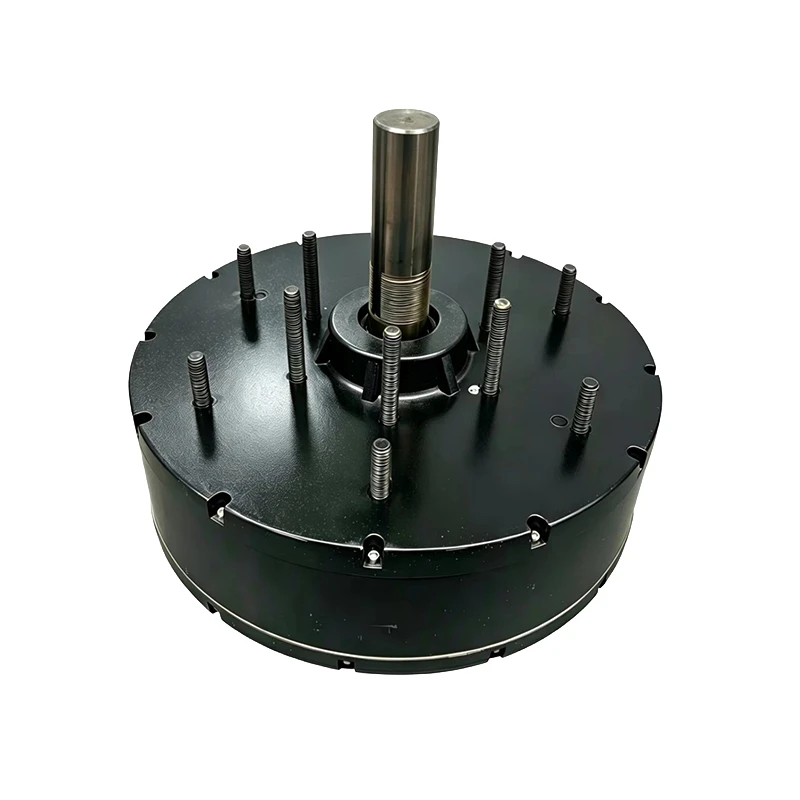
- PM Direct Drive Motor: PM direct drive motors are designed to eliminate the need for a gearbox, which reduces maintenance requirements and improves efficiency. These motors still need to be inspected regularly for any signs of wear or damage, and the bearings may require lubrication.
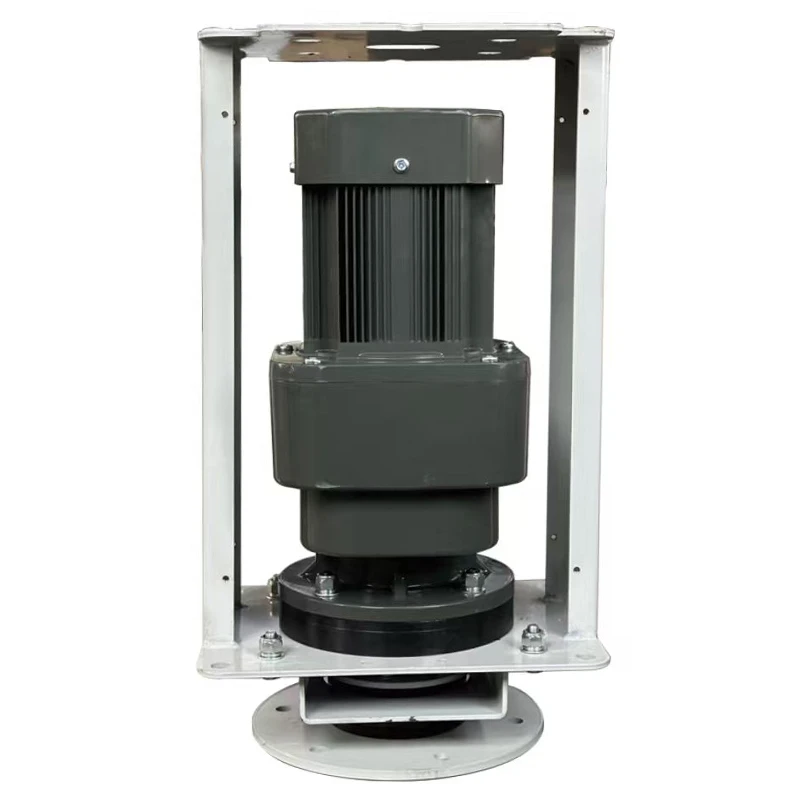
- 3 Phase Induction Motor with Gearbox: 3 phase induction motors with gearboxes are a popular choice for HVLS fans. These motors require regular maintenance of the gearbox, including lubrication and inspection for wear or damage. The motor itself also needs to be inspected regularly for any signs of overheating, vibration, or other problems.
Conclusion
Proper maintenance is essential for the longevity and optimal performance of HVLS fan motors. By conducting regular inspections, cleaning, and maintenance, you can prevent costly breakdowns and ensure that your equipment is operating at its best. As a leading supplier of HVLS fan motors, we are committed to providing our customers with high-quality products and expert advice on maintenance and troubleshooting. If you have any questions or need assistance with your HVLS fan motor, please don't hesitate to contact us. We look forward to working with you to meet your ventilation needs.
References
- "HVLS Fan Motor Maintenance Guide." Manufacturer's manual.
- "Motor Testing and Troubleshooting Techniques." Electrical Engineering Handbook.
- "Belt and Pulley Maintenance Best Practices." Industrial Maintenance Journal.