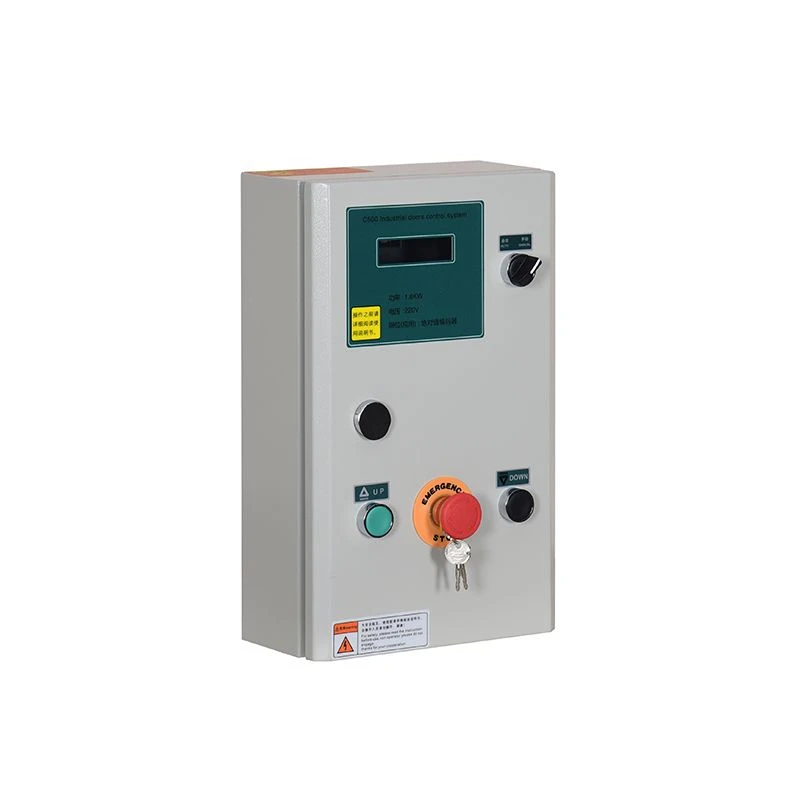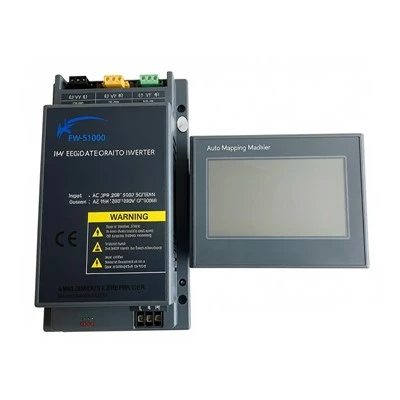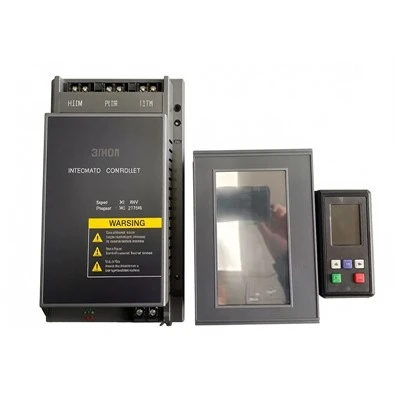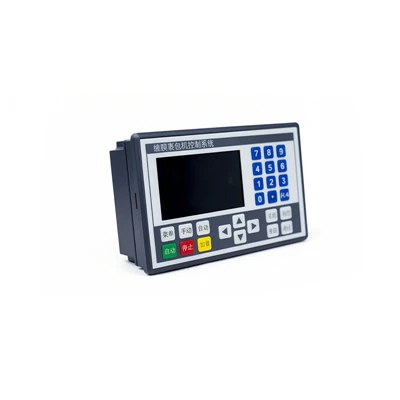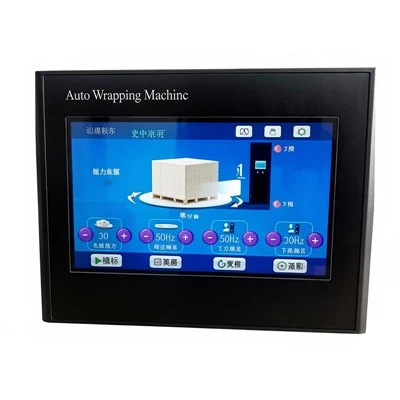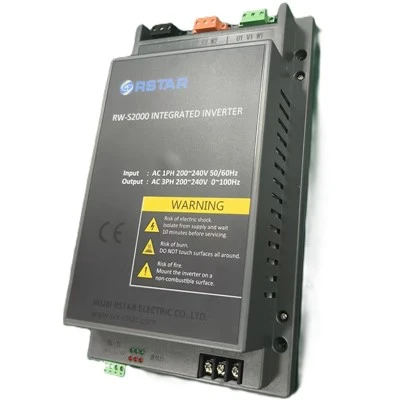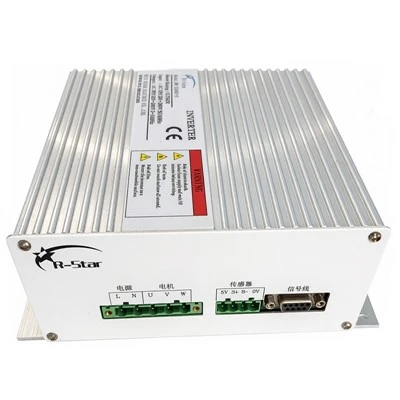
An industrial door control box is the core control device of an industrial door system. Its performance directly affects operational stability, safety, and service life. Therefore, during manufacturing and practical application, strict performance testing is required to ensure that the control box meets the requirements of different industrial environments. Performance evaluation mainly focuses on electrical performance, control functions, safety protection, environmental adaptability, and long-term operating reliability.
Electrical performance testing is the fundamental part of industrial door control box evaluation. During testing, parameters such as input voltage, current, power consumption, and electrical connection status are inspected to ensure compliance with design specifications. Internal circuits, components, and wiring connections are also checked to prevent failures caused by electrical abnormalities. Reliable electrical performance ensures stable operation over extended periods.
Control function testing is an important method for evaluating industrial door control box performance. By simulating real operating conditions, functions such as door opening, closing, stopping, direction switching, and speed adjustment are tested to confirm accurate execution of control commands. Communication between the control box, motor, sensors, remote devices, and intelligent systems is also verified to ensure coordinated operation of the complete industrial door system.
Safety protection testing is another essential process. During operation, industrial doors may encounter overload conditions, abnormal movement, or external obstacles. Therefore, the control box must provide comprehensive protection functions. Testing verifies whether overload protection, short-circuit protection, limit protection, and fault alarm functions can respond quickly to reduce equipment risks and improve operational safety.
Environmental adaptability testing evaluates the stability of the industrial door control box under different working conditions. Industrial environments may involve dust, moisture, temperature changes, and mechanical vibration. Therefore, the protective performance, heat dissipation capability, and anti-interference ability of the control box must be tested. Simulated complex environments help determine whether the equipment can maintain reliable operation.
Long-term operation testing is an important method for ensuring product reliability. Through continuous operation tests, manufacturers can observe temperature rise, component stability, and control accuracy changes during extended working periods. This process helps identify potential issues in advance, improve product quality, and extend equipment service life.
With the development of industrial automation technologies, performance testing of modern industrial door control boxes is increasingly combined with intelligent testing methods. Through data collection, remote monitoring, and automated analysis, equipment conditions can be evaluated more accurately and testing efficiency can be improved. Strict performance testing ensures the quality of industrial door control boxes and provides safer, more efficient, and more reliable automation control solutions for industrial applications.