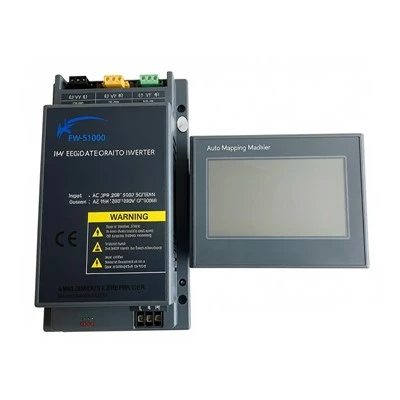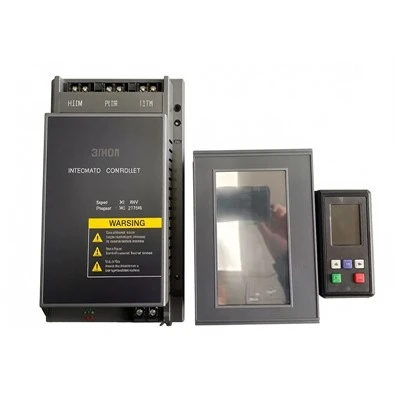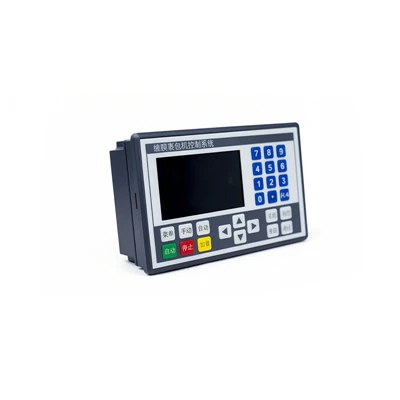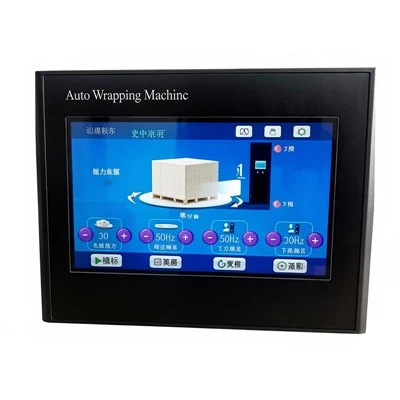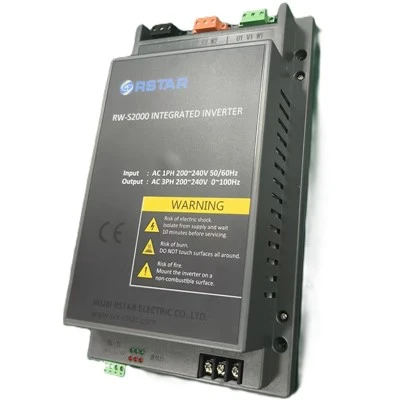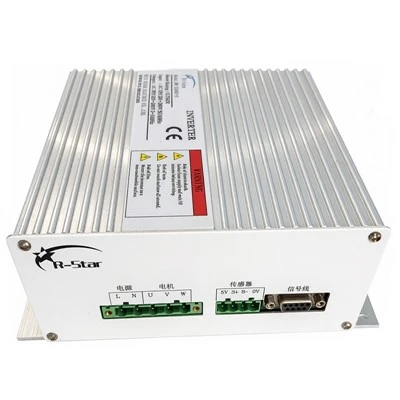
An industrial fan controller is an important device for achieving efficient operation of large industrial fans. Proper use of the controller can improve ventilation performance, reduce energy consumption, and extend equipment service life. In practical applications, understanding correct operating methods and usage techniques helps companies maximize system performance and improve overall efficiency.
Setting operating parameters properly is one of the most important skills when using an industrial fan controller. Different industrial environments have different airflow requirements. For example, production workshops, warehouses, and logistics areas may require different ventilation levels. Users should adjust fan speed according to space size, occupancy levels, temperature conditions, and actual airflow requirements. Avoiding unnecessarily high-speed operation helps reduce energy waste while maintaining effective air circulation.
Making full use of variable speed control functions can significantly improve operating efficiency. Modern industrial fan controllers usually support multi-level speed adjustment or stepless speed regulation. By changing motor operating frequency, the fan can adapt to different environmental conditions. For example, higher speed settings can be used in hot environments or crowded areas to improve airflow, while lower speeds can be selected during cooler periods or low-demand situations to achieve energy savings.
Regular monitoring of controller performance is also essential for maintaining stable operation. During daily use, users should pay attention to display information, motor performance, and warning signals. If abnormal noise, unstable airflow, or frequent alarms occur, the wiring, electrical components, and operating parameters should be checked promptly to prevent minor issues from developing into equipment failures.
Maintaining a suitable operating environment is equally important. Industrial fan controllers contain electronic components that may be affected by dust, moisture, and excessive heat over time. Regular cleaning, proper ventilation, and good heat dissipation conditions help extend equipment service life. The controller should also be protected from strong vibration and external impact.
In addition, combining intelligent control functions can further improve management efficiency. Some industrial fan controllers support temperature and humidity monitoring, remote operation, and automatic adjustment features. By analyzing environmental data, users can achieve more accurate airflow management. In large industrial facilities, controllers can also be connected to centralized management systems for coordinated operation of multiple fans.
By mastering proper usage techniques, industrial fan controllers can deliver better performance while reducing maintenance costs and energy consumption. Through scientific parameter settings, correct operation, and regular maintenance, industrial fan control systems can maintain stable and efficient operation, creating a more comfortable and energy-saving working environment for businesses.