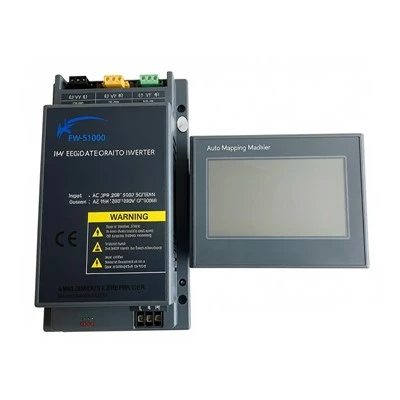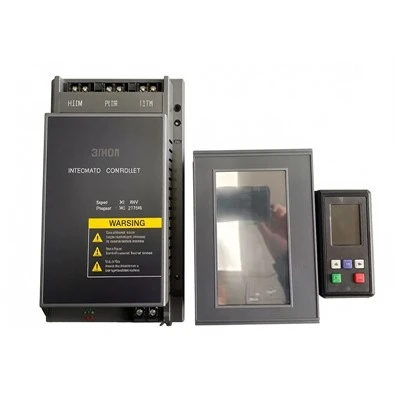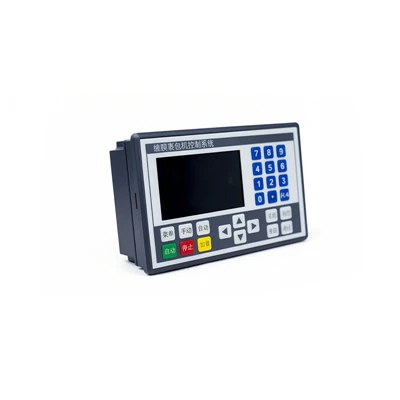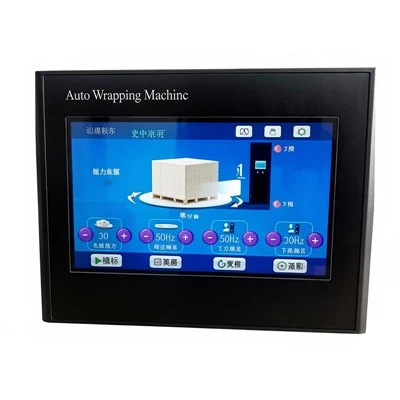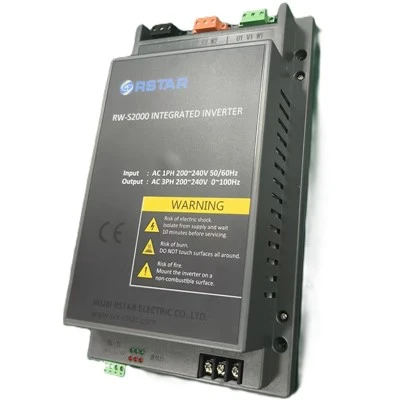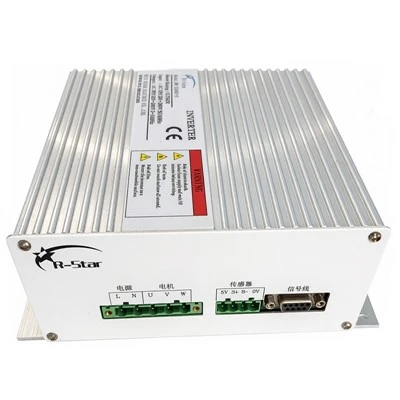
An industrial fan controller is a critical control device used in large industrial ceiling fan systems. Its main functions include airflow adjustment, motor protection, intelligent control, and energy-efficient operation. Since industrial ceiling fans are commonly installed in large spaces such as factories, warehouses, and logistics centers, their controllers must provide reliable performance, stable operation, and advanced control capabilities for demanding working environments.
High stability is one of the most important characteristics of an industrial fan controller. Industrial equipment often operates continuously for long periods, requiring the controller to have strong resistance to electrical interference and reliable performance under various conditions. Through optimized circuit design and the use of high-quality electronic components, the controller can reduce operational failures and improve overall system reliability.
Precise speed regulation is another essential feature of industrial fan controllers. With variable frequency control technology, the controller can adjust motor operating frequency according to actual requirements, allowing smooth changes in fan speed. Compared with traditional fixed-speed operation, variable speed control provides more effective airflow management while reducing energy consumption and improving operating efficiency. This allows businesses to optimize ventilation based on seasonal changes, workspace conditions, and occupancy levels.
Safety protection functions are also a key part of industrial fan controller design. Modern controllers typically include overcurrent protection, overvoltage protection, overheating protection, and fault alarm functions. When abnormal electrical conditions or excessive loads occur, the controller can quickly detect the issue and activate protective measures to prevent motor damage and improve operational safety. These protection features also help extend the service life of both the controller and the fan system.
Intelligent control and expansion capability represent the future development direction of industrial fan controllers. Advanced systems can integrate temperature sensors, humidity sensors, and remote control modules to automatically adjust fan operation based on environmental conditions. Through industrial communication technologies, controllers can connect with smart management platforms to support equipment monitoring, data collection, and remote maintenance, providing valuable support for energy management and smart factory development.
With advantages such as stable operation, accurate speed control, safety protection, and intelligent management, industrial fan controllers provide efficient and energy-saving ventilation solutions for large industrial environments. As automation technology continues to advance, these controllers will play an increasingly important role in green manufacturing and intelligent building applications.