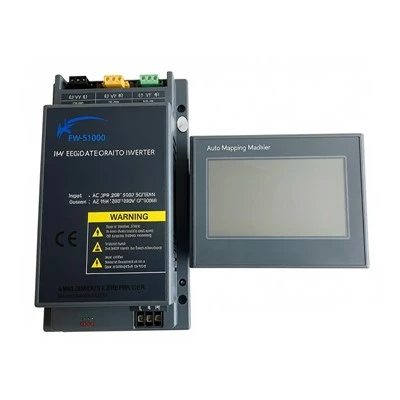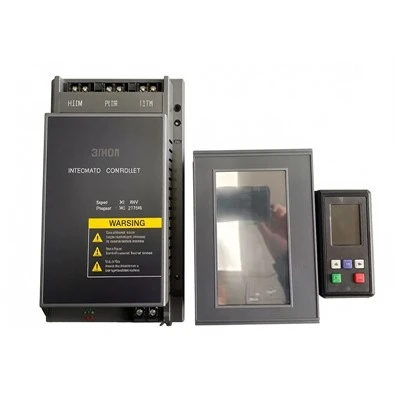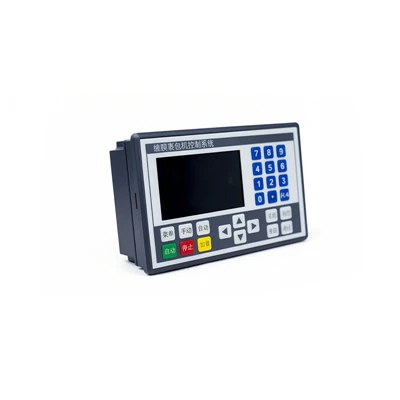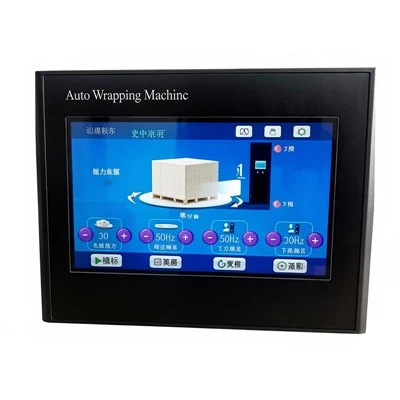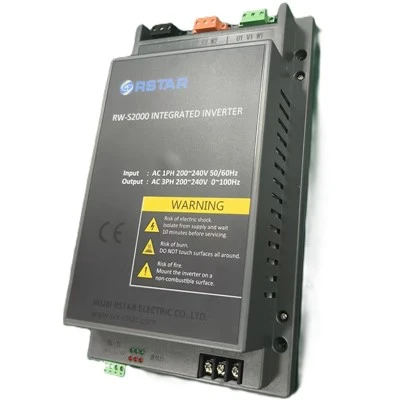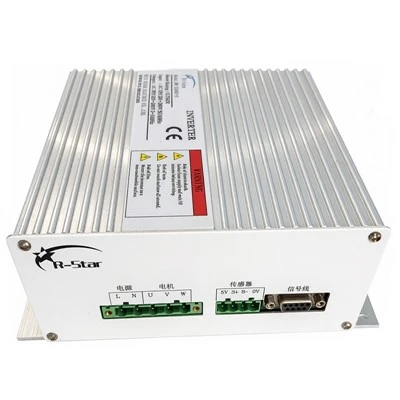
An industrial door control box is an essential component of an automated industrial door system. Its technical performance directly affects control accuracy, operational stability, and safety. To meet the requirements of industrial environments such as factories, warehouses, and logistics centers, industrial door control boxes must comply with specific technical standards, including electrical performance, control capability, safety protection, environmental adaptability, and intelligent expansion capability.
First, an industrial door control box must provide stable and reliable electrical performance. The internal structure usually includes control circuits, relays, contactors, power modules, and protection components. Therefore, all electrical components must have good quality and proper compatibility. During operation, the control box must maintain stable voltage and current output to prevent abnormal door operation caused by electrical fluctuations. Proper wiring layout and insulation design improve safety and reduce potential failures.
Second, the control box must provide accurate control functions. According to different industrial door types and application requirements, the system should support basic functions such as door opening, closing, stopping, manual operation, and operating status adjustment. For highly automated industrial environments, the control box should also support multiple control methods, including sensors, remote devices, and intelligent systems, enabling more flexible and efficient operation management.
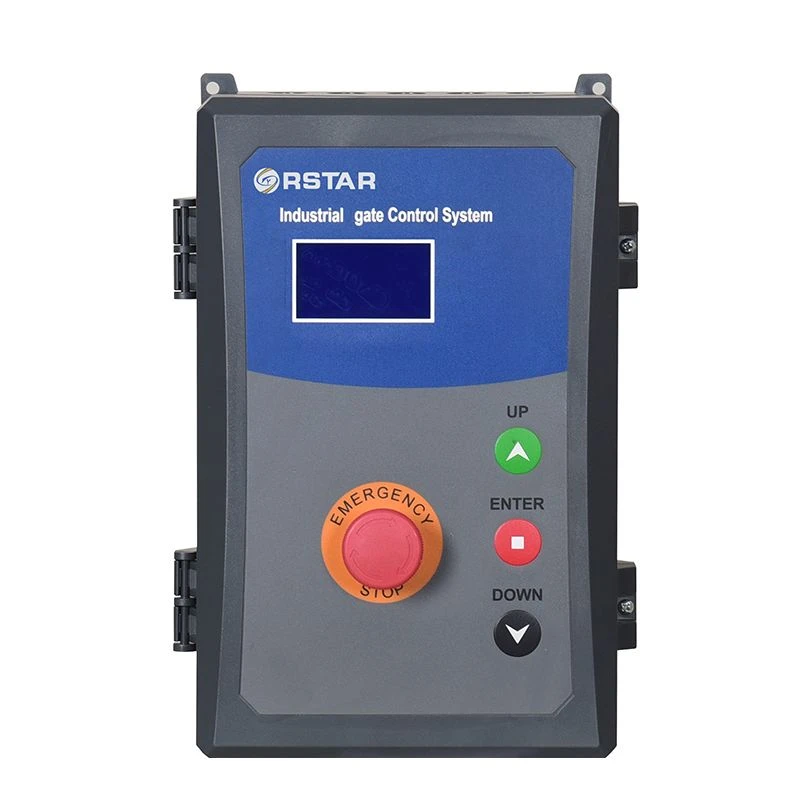
Safety protection is a critical technical requirement for industrial door control boxes. Since industrial doors are often used in areas with frequent movement of people and vehicles, the control system must include comprehensive safety mechanisms. Overload protection prevents motor damage caused by excessive loads, limit protection prevents doors from exceeding operating ranges, and fault detection with alarm functions helps operators identify problems quickly and improve overall safety.
Environmental adaptability is another important performance requirement. Industrial environments may involve dust, moisture, temperature variations, and mechanical vibration. Therefore, control boxes require suitable protection levels and effective heat dissipation performance. Protective enclosures, optimized internal structures, and proper cooling designs ensure stable long-term operation under challenging conditions.
In addition, modern industrial door control boxes require intelligent functions and expansion capability. With the development of industrial automation, control systems are increasingly integrated with IoT technologies, remote monitoring, and intelligent management platforms. These functions enable data collection, remote operation, and fault analysis, improving equipment management efficiency and supporting future system upgrades.
Overall, the technical requirements of industrial door control boxes focus on stable control, safety protection, efficient operation, environmental adaptability, and intelligent management. Through continuous optimization of design and manufacturing processes, industrial door control boxes provide more reliable, efficient, and intelligent control solutions for modern industrial automation systems.