
In the dynamic landscape of renewable energy, photovoltaic (PV) panel production stands at the forefront of the global shift towards sustainable power sources. As a leading tension sensor supplier, I've witnessed firsthand the transformative power of precision technology in various industries. Today, I'm excited to explore the potential of tension sensors in photovoltaic panel production and how they can revolutionize the manufacturing process.
Understanding Tension Sensors
Tension sensors are devices designed to measure the tension in a material or component. They play a crucial role in a wide range of applications, from industrial manufacturing to aerospace engineering. By providing accurate and real-time tension data, these sensors enable operators to monitor and control processes with precision, ensuring product quality and operational efficiency.
There are several types of tension sensors available on the market, each with its own unique features and advantages. Strain gauge-based sensors, for example, are widely used due to their high sensitivity and accuracy. They work by measuring the change in electrical resistance of a strain gauge as it is deformed under tension. Load cell sensors, on the other hand, are capable of measuring both tension and compression forces and are commonly used in heavy-duty applications.
The Importance of Tension Control in PV Panel Production
Photovoltaic panel production is a complex and highly precise process that involves multiple stages, from the manufacturing of silicon wafers to the assembly of the final product. At each stage, maintaining consistent tension is critical to ensuring the quality and performance of the PV panels.
In the wafer manufacturing process, for instance, tension control is essential to prevent cracking and warping of the delicate silicon wafers. During the deposition of thin-film layers, precise tension control ensures uniform coating thickness and adhesion, which directly impacts the efficiency and durability of the PV panels. In the assembly process, tension control is necessary to ensure proper alignment and connection of the various components, such as the solar cells and the encapsulation materials.
Applications of Tension Sensors in PV Panel Production
Wafer Handling
Silicon wafers are the heart of photovoltaic panels, and their quality and integrity are crucial to the performance of the final product. Tension sensors can be used in wafer handling systems to monitor the tension in the robotic grippers or conveyor belts that transport the wafers. By maintaining the optimal tension, the sensors help prevent damage to the wafers during handling, reducing the risk of yield loss and improving overall production efficiency.

Thin-Film Deposition
Thin-film deposition is a key process in PV panel production, where layers of semiconductor materials are deposited onto the substrate to create the solar cells. Tension sensors can be integrated into the deposition equipment to monitor the tension in the substrate or the deposition materials. This allows operators to adjust the deposition parameters in real-time, ensuring uniform coating thickness and quality across the entire panel.
Encapsulation
The encapsulation process involves sealing the solar cells between layers of protective materials to protect them from environmental factors and mechanical stress. Tension sensors can be used to monitor the tension in the encapsulation materials during the lamination process. By ensuring consistent tension, the sensors help prevent the formation of air bubbles, wrinkles, or delamination, which can degrade the performance and reliability of the PV panels.
Module Assembly
In the final stage of PV panel production, the individual solar cells are connected and assembled into modules. Tension sensors can be used in the wiring and soldering processes to monitor the tension in the electrical connectors and wires. This helps ensure proper electrical contact and connection, reducing the risk of power losses and improving the overall performance of the PV modules.
Benefits of Using Tension Sensors in PV Panel Production
Improved Product Quality
By providing accurate and real-time tension data, tension sensors enable operators to maintain consistent tension throughout the PV panel production process. This helps prevent defects such as cracking, warping, and delamination, resulting in higher-quality PV panels with improved efficiency and reliability.
Increased Production Efficiency
Tension sensors can help optimize the production process by reducing downtime and waste. By detecting and correcting tension variations in real-time, operators can prevent equipment malfunctions and product defects, minimizing the need for manual intervention and rework. This leads to increased production throughput and reduced production costs.
Enhanced Process Control
Tension sensors provide valuable insights into the production process, allowing operators to make informed decisions and adjustments. By monitoring tension trends over time, operators can identify potential issues before they become major problems, enabling proactive maintenance and process optimization. This helps improve the overall stability and predictability of the PV panel production process.
Cost Savings
The use of tension sensors can result in significant cost savings for PV panel manufacturers. By reducing the risk of product defects and waste, manufacturers can lower their production costs and improve their profit margins. Additionally, the increased production efficiency and process control provided by tension sensors can help manufacturers reduce their energy consumption and environmental impact.
Complementary Products for PV Panel Production
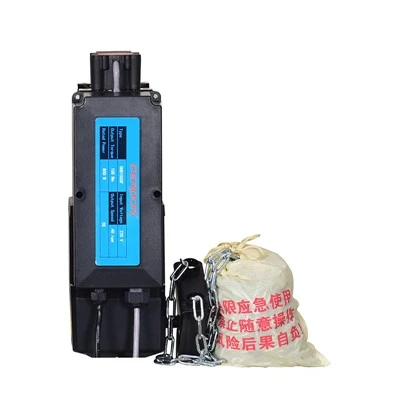
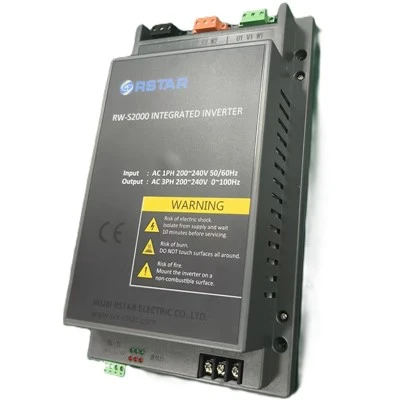
In addition to tension sensors, there are several other products that can enhance the efficiency and performance of PV panel production. For example, the Three-in-one Inverter for Stretch Wrapper is a versatile device that can be used to control the tension and speed of stretch wrappers, ensuring consistent and secure packaging of PV panels.
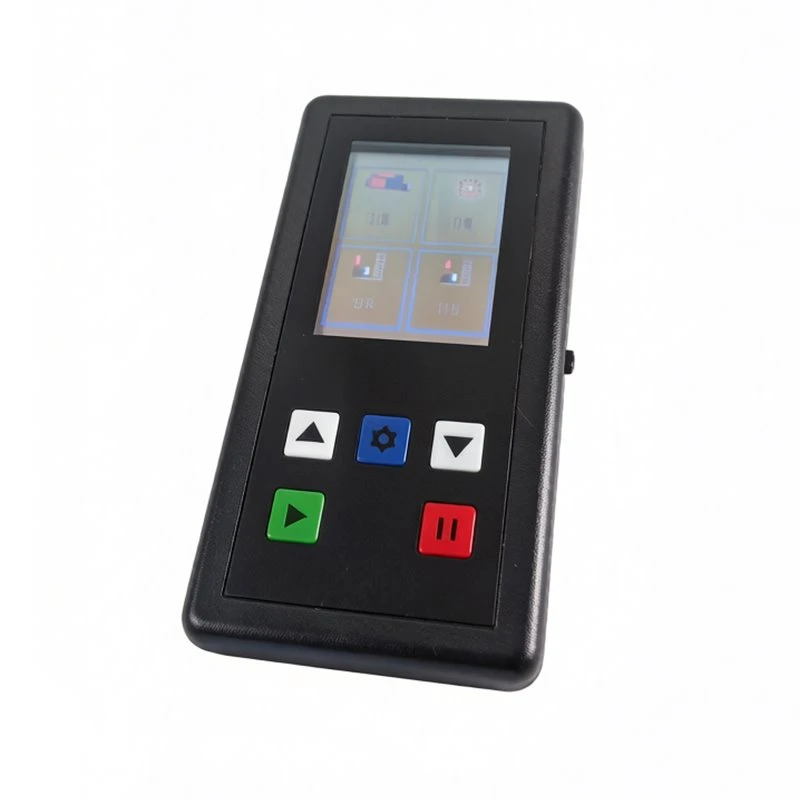
The Wrapping Machine Remote Controller allows operators to control the wrapping machine from a distance, improving safety and convenience. The Photoelectric Light Switch can be used to detect the presence of PV panels and trigger the wrapping process automatically, reducing labor costs and improving production efficiency.
The Rotary Pallet Wrapper Full System is a complete solution for palletizing and wrapping PV panels, providing a high level of automation and flexibility. Finally, the Wrapping Machine Text Controller allows operators to program and customize the wrapping process, ensuring optimal performance and product quality.
Conclusion
In conclusion, tension sensors have the potential to play a significant role in photovoltaic panel production. By providing accurate and real-time tension data, these sensors can help manufacturers improve product quality, increase production efficiency, enhance process control, and reduce costs. As the demand for PV panels continues to grow, the use of tension sensors and other advanced technologies will become increasingly important in ensuring the competitiveness and sustainability of the PV industry.
If you're interested in learning more about how tension sensors can be integrated into your PV panel production process, or if you're interested in exploring our range of complementary products, I'd be happy to discuss your specific needs and requirements. Contact me today to start a conversation about how we can work together to optimize your PV panel production process and drive your business forward.
References
- "Photovoltaic Technology: Principles, Processes, and Systems" by Martin A. Green
- "Handbook of Photovoltaic Science and Engineering" edited by Antonio Luque and Steven Hegedus
- Industry reports and whitepapers on photovoltaic panel production and related technologies