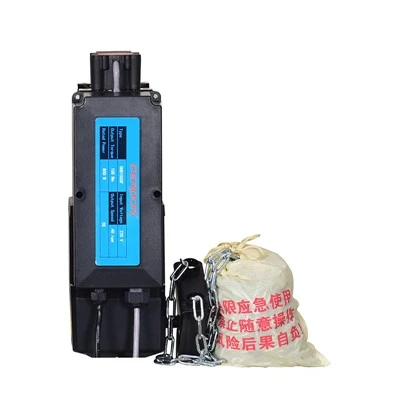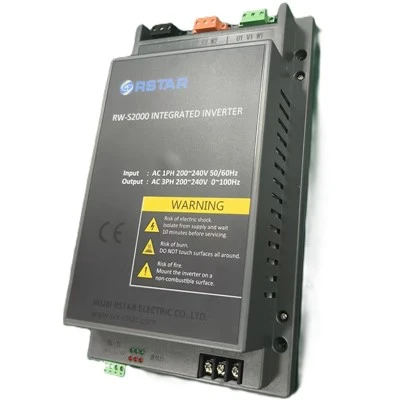

Hey there! As a supplier of Three-phase Induction Reduction Motor, I often get asked about the noise level of these motors. So, let's dive right in and talk about what the noise level of a three-phase induction reduction motor is all about.
Understanding Three-phase Induction Reduction Motors
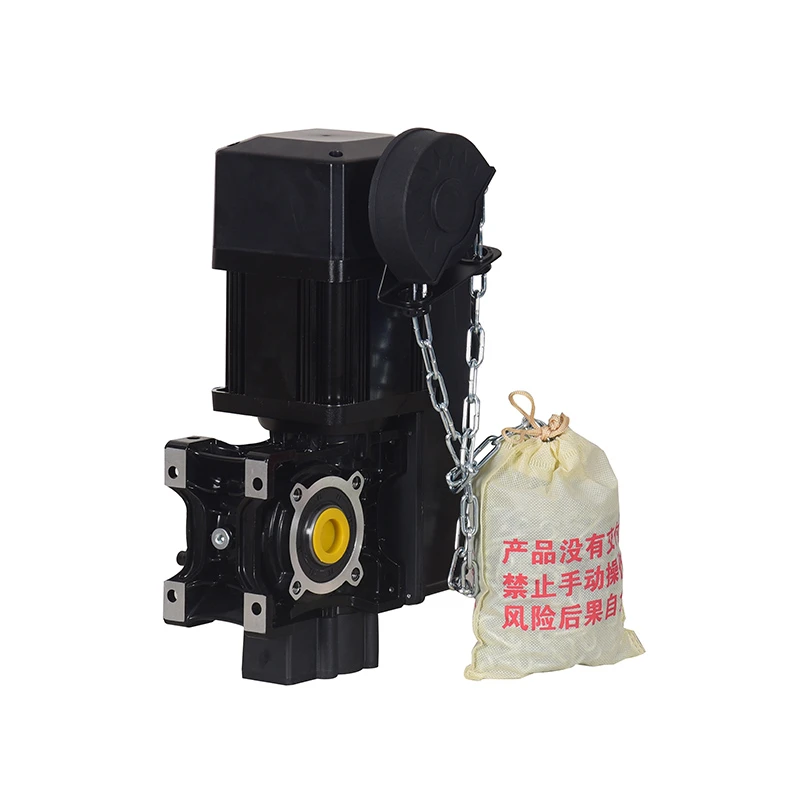
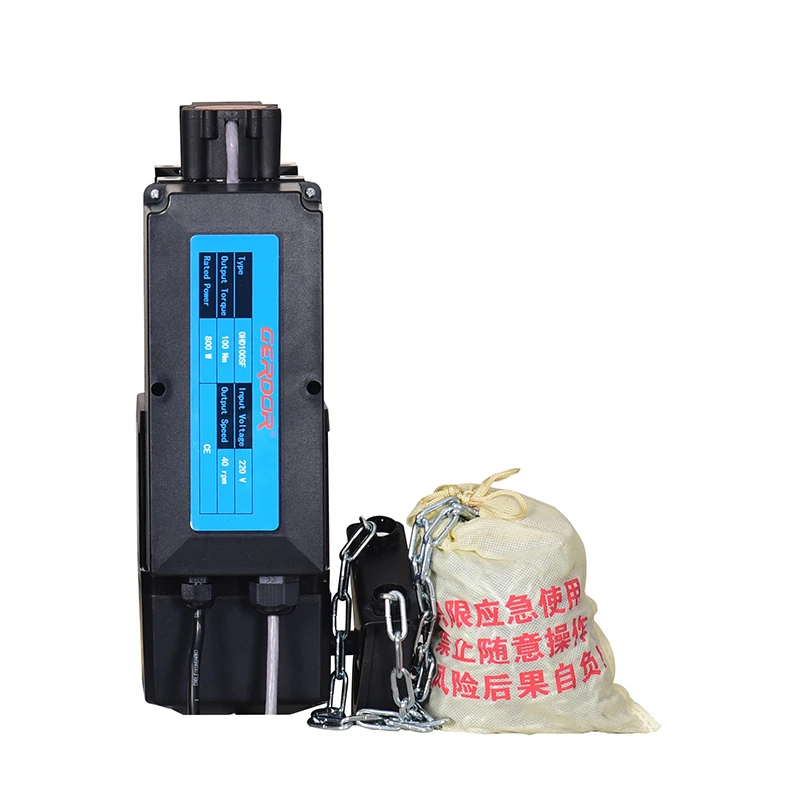
First off, let's quickly go over what a three-phase induction reduction motor is. These motors are a type of AC motor that uses electromagnetic induction to convert electrical energy into mechanical energy. The "reduction" part comes from the gearbox that's usually attached to the motor, which helps to reduce the speed and increase the torque. They're widely used in various industrial applications, from conveyor belts and pumps to machine tools and industrial doors.
What Causes Noise in Three-phase Induction Reduction Motors?
There are several factors that can contribute to the noise generated by a three-phase induction reduction motor.
Electrical Noise
Electrical noise is mainly caused by the interaction between the magnetic fields in the motor. When the stator windings are energized with three-phase AC power, they create a rotating magnetic field. This magnetic field induces currents in the rotor, which in turn creates its own magnetic field. The interaction between these two magnetic fields can cause vibrations and noise. This type of noise is often a high-pitched whine and is more noticeable at higher frequencies.
Mechanical Noise
Mechanical noise, on the other hand, is due to the physical components of the motor. The bearings in the motor, for example, can generate noise if they're worn out, misaligned, or not properly lubricated. The gears in the reduction gearbox can also be a source of noise. If the gears are poorly machined, have improper tooth profiles, or are not properly meshed, they can produce a rattling or grinding sound.
Aerodynamic Noise
Aerodynamic noise is caused by the movement of air around the motor. The cooling fan on the motor, which is used to dissipate heat, can create a whooshing sound as it moves air. The shape and design of the motor housing can also affect the airflow and contribute to aerodynamic noise.
Measuring the Noise Level
The noise level of a three-phase induction reduction motor is typically measured in decibels (dB). A decibel is a unit used to measure the intensity of sound. The background noise level in a typical industrial environment is around 60 - 70 dB. A quiet motor might operate at around 70 - 80 dB, while a noisier one could reach 80 - 90 dB or even higher.
To measure the noise level of a motor accurately, specialized equipment is needed. A sound level meter is commonly used. The meter should be placed at a specific distance from the motor, usually around 1 meter, and at a certain height, typically at the center of the motor. The measurement should be taken in a quiet environment to avoid interference from other sources of noise.
Factors Affecting the Noise Level
There are several factors that can affect the noise level of a three-phase induction reduction motor.
Motor Design
The design of the motor itself plays a crucial role in determining its noise level. Motors with better-designed stator and rotor windings can reduce the electrical noise. For example, using a sine-wave filter can help to smooth out the current waveform and reduce the high-frequency harmonics that cause electrical noise.
The design of the gearbox also matters. Gearboxes with helical gears, for instance, tend to be quieter than those with spur gears because the helical gears have a more gradual engagement, which reduces the impact and noise.
Load and Speed
The load and speed at which the motor operates can also affect the noise level. Generally, the noise level increases as the load and speed increase. At higher speeds, the vibration and aerodynamic noise become more pronounced. When the motor is under a heavy load, the mechanical stress on the components increases, which can lead to more noise from the bearings and gears.
Maintenance
Proper maintenance is essential for keeping the noise level of a motor in check. Regularly lubricating the bearings and gears can reduce friction and wear, which in turn reduces noise. Checking and adjusting the alignment of the motor and gearbox can also prevent excessive noise caused by misalignment.
Why Does the Noise Level Matter?
The noise level of a three-phase induction reduction motor is not just an annoyance; it can have several practical implications.
Workplace Safety
High noise levels in the workplace can pose a risk to the health and safety of workers. Prolonged exposure to noise levels above 85 dB can cause hearing loss and other health problems. By reducing the noise level of motors, employers can create a safer and more comfortable working environment.
Efficiency
Excessive noise can sometimes be an indication of a problem with the motor. For example, a noisy motor might have worn-out bearings or misaligned gears. These issues can lead to increased energy consumption and reduced efficiency. By addressing the noise problem, the motor can operate more efficiently, which can save energy and money in the long run.
Product Quality
In some applications, the noise level of the motor can affect the quality of the end product. For example, in a precision manufacturing process, a noisy motor can cause vibrations that can affect the accuracy of the machining. By using quieter motors, manufacturers can improve the quality of their products.
Our Solutions for Reducing Noise
As a supplier of Three-phase Induction Reduction Motors, we understand the importance of reducing noise. That's why we've developed several solutions to help our customers minimize the noise level of their motors.
High-Quality Components
We use high-quality bearings and gears in our motors to reduce mechanical noise. Our bearings are designed to have low friction and long service life, which helps to keep the noise level down. The gears in our gearboxes are precisely machined and heat-treated to ensure smooth operation and quiet performance.
Advanced Design
Our motors are designed with advanced features to reduce electrical and aerodynamic noise. For example, we use optimized stator and rotor windings to minimize the magnetic field interactions that cause electrical noise. Our motor housings are also designed to improve the airflow and reduce the whooshing sound caused by the cooling fan.
Customization
We offer customization options to meet the specific needs of our customers. If a customer requires a quieter motor for a particular application, we can work with them to design a motor that meets their noise requirements.
Other Products in Our Range
In addition to our Three-phase Induction Reduction Motors, we also offer a range of other industrial door geared motors, including:
- Servo Geared Motor for Sectional Door: These motors are designed specifically for sectional doors and offer precise control and quiet operation.
- Explosion-proof Servo Asynchronous Motor: Ideal for hazardous environments, these motors are designed to prevent explosions and offer reliable performance.
- Flameproof Asynchronous Motor: Similar to the explosion-proof motors, these motors are designed to contain any explosion within the motor housing and are suitable for use in flammable atmospheres.
- Servo Geared Motor for High Speed Door: These motors are designed to handle the high speeds and frequent starts and stops required for high-speed doors.
Contact Us for Your Motor Needs
If you're in the market for a three-phase induction reduction motor or any of our other industrial door geared motors, we'd love to hear from you. We can provide you with more information about our products, including the noise level, specifications, and pricing. Whether you're looking for a quiet motor for a noise-sensitive application or a motor that can handle heavy loads and high speeds, we have the solution for you. Contact us today to start the conversation and see how we can meet your motor needs.
References
- "Electric Motors and Drives: Fundamentals, Types and Applications" by Austin Hughes and Bill Drury
- "Industrial Motor Maintenance: A Practical Guide" by Michael D. Swanson