
Hey there, folks! I'm a supplier of tension sensors, and today I'm gonna chat about whether a tension sensor can be used in rubber processing industries. Let's dive right in!
First off, let's understand what rubber processing involves. Rubber processing is a complex series of operations, including mixing, extrusion, calendering, and molding. Each of these steps requires precise control to ensure the quality and consistency of the final rubber products. And that's where tension sensors come into play.
Why Tension Control is Key in Rubber Processing
In rubber processing, maintaining the right tension is crucial for several reasons. When you're extruding rubber, for example, the tension affects the shape and dimensions of the extruded product. If the tension is too high, the rubber may break, leading to production downtime and waste. On the other hand, if the tension is too low, the product may not have the desired shape or strength.
In the calendering process, where rubber is passed through a series of rollers to create a thin sheet, tension control is essential for achieving a uniform thickness. Uneven tension can result in thickness variations across the sheet, which can affect the performance of the final product.
How Tension Sensors Work
Tension sensors are devices that measure the force applied to a material in tension. They work by converting the mechanical force into an electrical signal, which can then be used to monitor and control the tension. There are different types of tension sensors, such as load cells, strain gauges, and piezoelectric sensors.
Load cells are one of the most commonly used types of tension sensors. They consist of a metal structure that deforms under the applied force, and strain gauges are attached to the structure to measure the deformation. The strain gauges convert the mechanical deformation into an electrical resistance change, which is proportional to the applied force.
Applications of Tension Sensors in Rubber Processing
Extrusion
In rubber extrusion, tension sensors can be used to monitor and control the tension of the extruded rubber. By measuring the tension, the extrusion process can be adjusted in real-time to maintain the desired tension. This helps to ensure the quality and consistency of the extruded product. For example, if the tension starts to increase, the speed of the extruder can be adjusted to reduce the tension.
Calendering
During the calendering process, tension sensors can be used to monitor the tension between the rollers. This helps to ensure that the rubber sheet has a uniform thickness. The tension sensors can be installed at different points along the calendering line to provide accurate tension measurements. Based on these measurements, the pressure and speed of the rollers can be adjusted to maintain the optimal tension.
Winding and Unwinding
In rubber winding and unwinding operations, tension sensors are used to control the tension of the rubber material as it is wound onto or unwound from a spool. This is important to prevent the rubber from stretching or breaking during the winding and unwinding process. By maintaining a constant tension, the quality of the wound rubber is improved, and the risk of damage is reduced.
Benefits of Using Tension Sensors in Rubber Processing
Improved Product Quality
By maintaining the right tension throughout the rubber processing operations, tension sensors help to improve the quality of the final rubber products. The products have more consistent dimensions, better mechanical properties, and fewer defects.
Increased Productivity
Tension sensors allow for real-time monitoring and control of the tension, which helps to minimize production downtime. When the tension is properly controlled, the risk of breakage and other processing problems is reduced, leading to increased productivity.
Cost Savings
Using tension sensors can result in cost savings in several ways. By reducing waste due to defective products, the overall production cost is lowered. Additionally, the increased productivity means that more products can be produced in less time, which also contributes to cost savings.
Our Tension Sensors and Related Products
As a tension sensor supplier, we offer a wide range of high-quality tension sensors that are suitable for various rubber processing applications. Our sensors are designed to provide accurate and reliable tension measurements in harsh industrial environments.
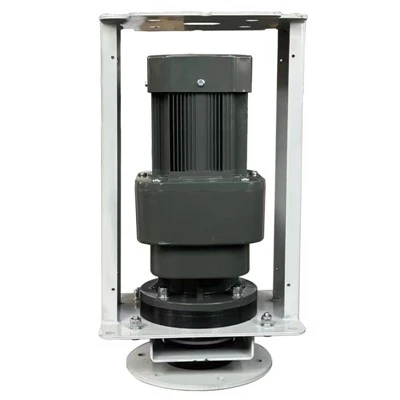
In addition to tension sensors, we also offer related products that can enhance the performance of rubber processing equipment. For example, we have the Mobile Wrapping Machine Full Set System, which is a comprehensive solution for wrapping rubber products. The system includes a mobile wrapping machine and all the necessary components for a complete wrapping operation.


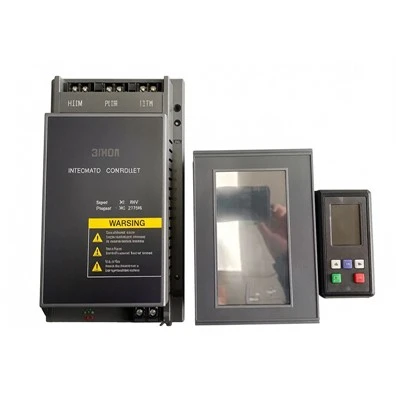
We also have the All-in-One Touch Controller for Wrapper Machine, which provides an easy-to-use interface for controlling the wrapper machine. With this controller, operators can easily set and adjust the wrapping parameters, such as the tension, speed, and number of wraps.
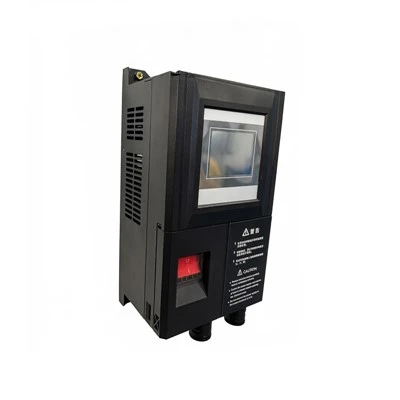
Another product we offer is the Three-in-one Inverter for Stretch Wrapper. This inverter combines three functions in one unit, providing efficient and reliable power control for the stretch wrapper. It helps to optimize the performance of the wrapper and reduce energy consumption.
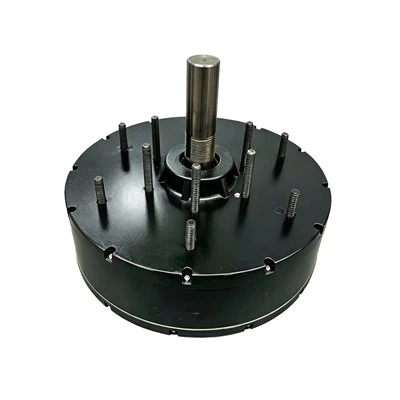
Our Closed Loop Vector Control Vfd is also a great option for rubber processing equipment. It provides precise control of the motor speed and torque, which is essential for maintaining the correct tension during the processing operations.
And if you're looking for a complete rotary pallet wrapper system, we have the Rotary Pallet Wrapper Full System. This system is designed to provide efficient and reliable wrapping of pallets loaded with rubber products.
Contact Us for Procurement
If you're in the rubber processing industry and are interested in our tension sensors or related products, don't hesitate to reach out. We're here to help you find the best solutions for your specific needs. Whether you need a single tension sensor or a complete system, we have the expertise and products to meet your requirements.
References
- Smith, J. (2020). Rubber Processing Technology. New York: Wiley.
- Johnson, A. (2019). Tension Control in Industrial Processes. London: Elsevier.