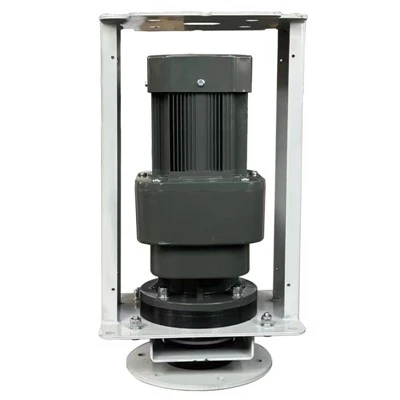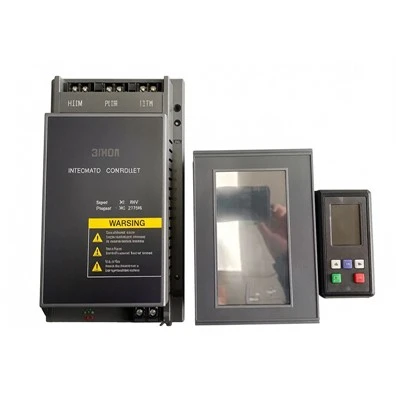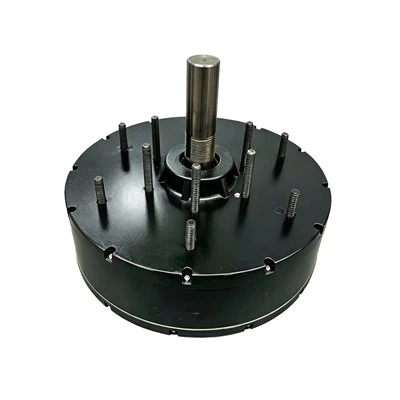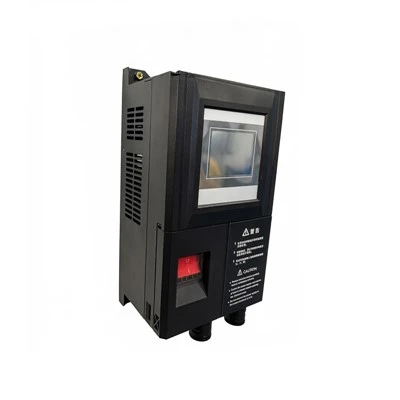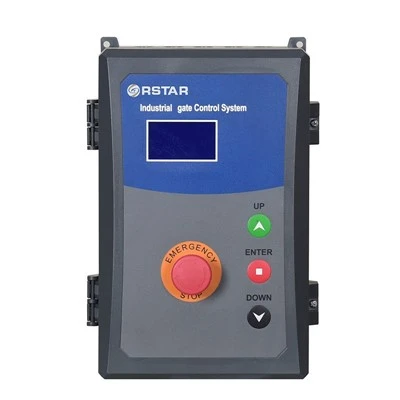

As a supplier of Permanent Magnet Fan Control Boxes, I've witnessed firsthand the importance of understanding how these devices respond to voltage changes. In this blog post, I'll delve into the technical details of how a Permanent Magnet Fan Control Box reacts to different voltage levels, the implications of these responses, and why it matters for various applications.
Understanding the Basics of a Permanent Magnet Fan Control Box
Before we explore how a Permanent Magnet Fan Control Box responds to voltage changes, let's first understand what it is and how it works. A Permanent Magnet Fan Control Box is a device designed to regulate the speed and operation of a permanent magnet fan. Permanent magnet fans are known for their high efficiency, low noise, and long lifespan, making them a popular choice in various industrial and commercial applications.
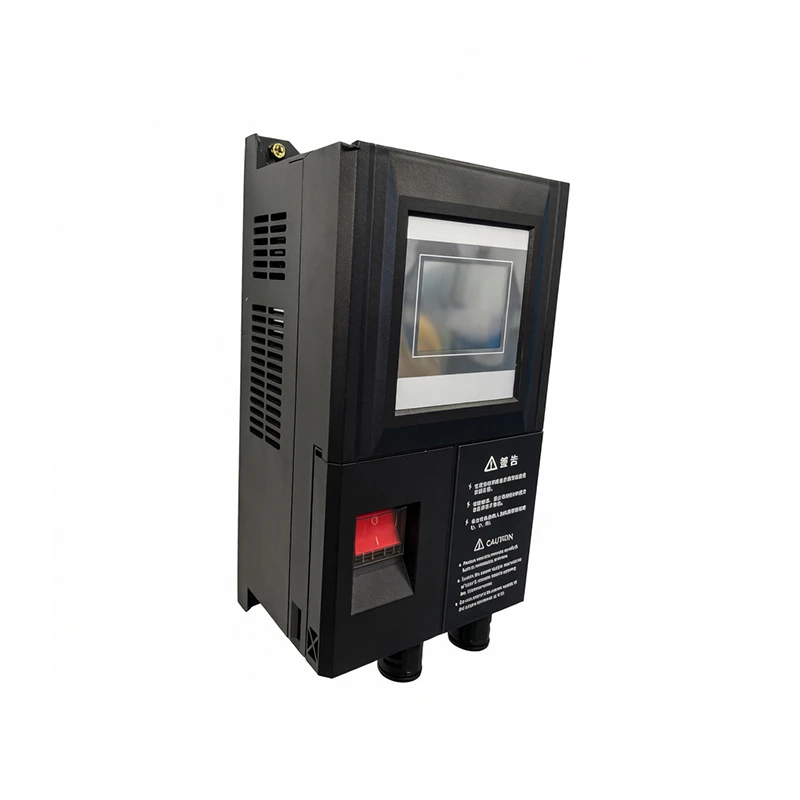
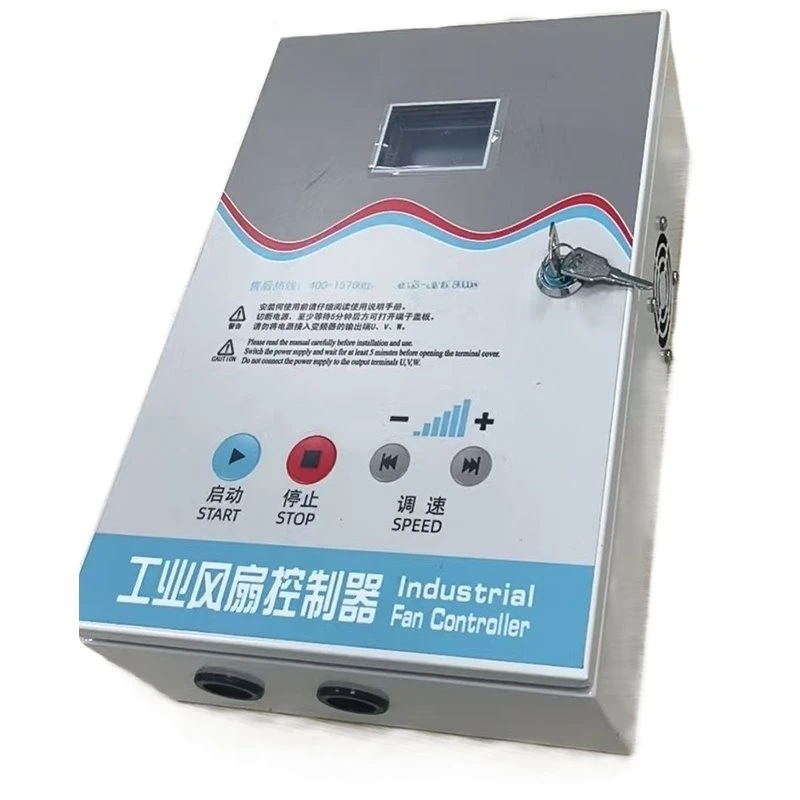
The control box uses advanced electronics to manage the power supply to the fan, allowing for precise control of its speed. This is achieved by adjusting the voltage and current supplied to the fan motor. The control box can be programmed to maintain a specific fan speed based on various parameters, such as temperature, pressure, or airflow.
How Voltage Changes Affect a Permanent Magnet Fan Control Box
Voltage changes can have a significant impact on the performance of a Permanent Magnet Fan Control Box. Here's how:
1. Fan Speed
The most direct effect of voltage changes is on the fan speed. According to the principles of electrical engineering, the speed of a permanent magnet motor is directly proportional to the applied voltage. When the voltage increases, the fan speed will increase, and vice versa. This relationship is described by the following equation:
[n = \frac{V - I \cdot R}{K \cdot \varPhi}]
Where:
- (n) is the motor speed
- (V) is the applied voltage
- (I) is the motor current
- (R) is the motor resistance
- (K) is a constant
- (\varPhi) is the magnetic flux
As you can see from the equation, an increase in voltage ((V)) will result in an increase in motor speed ((n)), assuming all other factors remain constant.
2. Power Consumption
Voltage changes also affect the power consumption of the fan. The power consumed by a motor is given by the equation:
[P = V \cdot I]
Where:
- (P) is the power consumption
- (V) is the applied voltage
- (I) is the motor current
When the voltage increases, the power consumption of the fan will increase proportionally, assuming the current remains constant. However, in reality, the current may also change due to the change in motor speed and load.
3. Torque
The torque produced by a permanent magnet motor is also affected by voltage changes. The torque is given by the equation:
[T = K_t \cdot I \cdot \varPhi]
Where:
- (T) is the torque
- (K_t) is a torque constant
- (I) is the motor current
- (\varPhi) is the magnetic flux
As the voltage increases, the motor speed increases, which may cause a decrease in the current if the load remains constant. This, in turn, may result in a decrease in torque. However, if the load increases, the current may increase to maintain the speed, resulting in an increase in torque.
Response Mechanisms of a Permanent Magnet Fan Control Box to Voltage Changes
To ensure stable and efficient operation, a Permanent Magnet Fan Control Box is equipped with several response mechanisms to handle voltage changes:
1. Voltage Regulation
Most Permanent Magnet Fan Control Boxes are designed with built-in voltage regulators. These regulators help to maintain a stable output voltage to the fan motor, even when the input voltage fluctuates. By regulating the voltage, the control box can ensure that the fan operates at a consistent speed and power consumption.
2. Overvoltage and Undervoltage Protection
To protect the fan motor and the control box from damage caused by excessive or insufficient voltage, the control box is equipped with overvoltage and undervoltage protection circuits. These circuits monitor the input voltage and automatically shut down the fan or adjust its operation if the voltage exceeds or falls below a certain threshold.
3. Speed Control Algorithms
Advanced Permanent Magnet Fan Control Boxes use sophisticated speed control algorithms to adjust the fan speed in response to voltage changes. These algorithms take into account various factors, such as the desired fan speed, the load on the fan, and the input voltage, to ensure optimal performance.
Implications of Voltage Changes for Different Applications
The response of a Permanent Magnet Fan Control Box to voltage changes has different implications for various applications:
1. Industrial Ventilation Systems
In industrial ventilation systems, maintaining a consistent airflow is crucial for ensuring a safe and healthy working environment. Voltage changes can affect the fan speed and airflow, which may lead to inadequate ventilation or excessive energy consumption. By using a Permanent Magnet Fan Control Box with effective voltage regulation and speed control, industrial facilities can ensure stable ventilation performance and reduce energy costs.
2. HVAC Systems
Heating, ventilation, and air conditioning (HVAC) systems rely on fans to circulate air and maintain a comfortable indoor environment. Voltage fluctuations can cause the fan speed to vary, resulting in uneven temperature distribution and reduced energy efficiency. A high-quality Permanent Magnet Fan Control Box can help to maintain a constant fan speed, improving the overall performance of the HVAC system.
3. Electronic Equipment Cooling
Many electronic devices generate a significant amount of heat during operation, which needs to be dissipated to prevent overheating and damage. Fans are commonly used for cooling electronic equipment, and voltage changes can affect the cooling efficiency. A Permanent Magnet Fan Control Box can ensure that the fan operates at the appropriate speed to maintain the optimal temperature of the electronic equipment.
Comparison with Other Types of Fan Control Boxes
It's worth comparing the Permanent Magnet Fan Control Box with other types of fan control boxes, such as the BLDC Ceiling Fan Controller, 3 Phase Asynchronous Fan Control Box, and Three-phase Asynchronous Fan Controller.
- BLDC Ceiling Fan Controller: BLDC (Brushless DC) ceiling fan controllers are designed specifically for ceiling fans. They offer similar advantages to Permanent Magnet Fan Control Boxes, such as high efficiency and precise speed control. However, they are typically used for smaller-scale applications, such as residential and commercial buildings.
- 3 Phase Asynchronous Fan Control Box and Three-phase Asynchronous Fan Controller: These control boxes are used for three-phase asynchronous fans, which are commonly found in industrial applications. They operate on different principles compared to Permanent Magnet Fan Control Boxes and may have different responses to voltage changes. Three-phase asynchronous fans are generally more robust and suitable for high-power applications.
Conclusion and Call to Action
In conclusion, understanding how a Permanent Magnet Fan Control Box responds to voltage changes is essential for ensuring its optimal performance and reliability. Voltage changes can affect the fan speed, power consumption, and torque, but a well-designed control box can mitigate these effects through voltage regulation, protection circuits, and speed control algorithms.
Whether you're in the industrial, HVAC, or electronics cooling industry, choosing the right Permanent Magnet Fan Control Box can make a significant difference in the efficiency and performance of your systems. As a supplier of Permanent Magnet Fan Control Boxes, we offer a wide range of products that are designed to meet the diverse needs of our customers.
If you're interested in learning more about our Permanent Magnet Fan Control Boxes or would like to discuss your specific requirements, please feel free to contact us. We're committed to providing high-quality products and excellent customer service, and we look forward to working with you to find the best solution for your application.
References
- Chapman, S. J. (2012). Electric Machinery Fundamentals. McGraw-Hill Education.
- Fitzgerald, A. E., Kingsley, C., & Umans, S. D. (2003). Electric Machinery. McGraw-Hill Education.