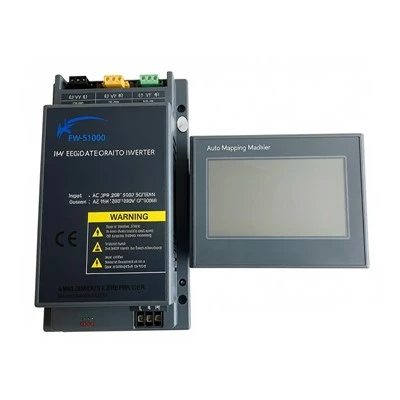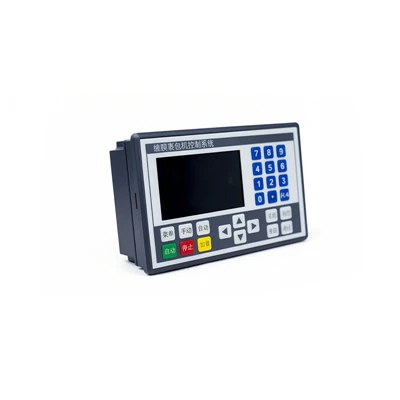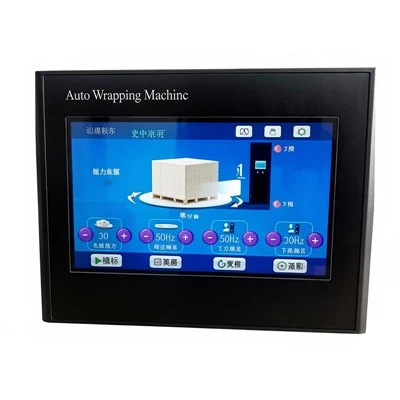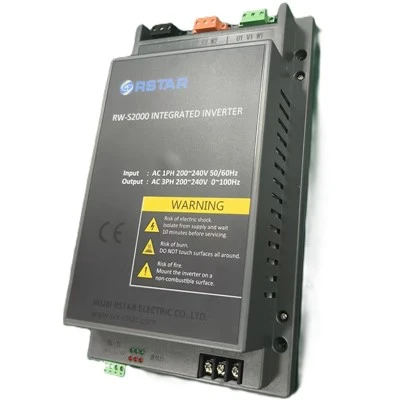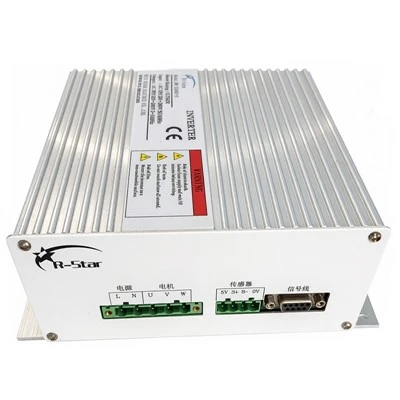
An industrial fan motor is the core power component of a large industrial fan system. Its performance directly affects operating efficiency, ventilation capability, and service life. Compared with conventional fan motors, industrial fan motors must handle larger blade loads, longer continuous operation periods, and more demanding industrial environments. Therefore, they feature advanced designs in structure, power output, stability, and energy efficiency.
High-efficiency and stable operation are among the most important characteristics of industrial fan motors. Since industrial fans are usually installed in large spaces and need to maintain continuous airflow over wide areas, the motor must provide strong and reliable power output. Through optimized motor design and improved energy conversion efficiency, energy losses can be reduced, allowing stable performance during long-term operation.
High torque output is another key feature that distinguishes industrial fan motors from standard motors. Large industrial fan blades require greater force to overcome air resistance during operation. Therefore, the motor must provide sufficient starting torque and running torque to ensure smooth startup and continuous operation. Strong torque performance allows the fan to adapt to different industrial environments.
Low-noise operation is also an important design focus for industrial fan motors. Although industrial spaces are usually large, continuous mechanical noise can affect the working environment. By applying advanced manufacturing technologies, optimized bearing structures, and improved balance control, modern motors can significantly reduce operating noise and create a more comfortable workplace.
Energy efficiency is a major development trend in modern industrial fan motors. Many high-performance motors use technologies such as variable frequency control and permanent magnet systems to adjust operating speed according to actual ventilation requirements. This reduces unnecessary energy consumption while maintaining effective airflow and helps businesses lower operating costs.
Industrial fan motors also provide strong reliability and durability. Since industrial environments may involve dust, temperature variations, and long operating hours, motors are often designed with protective structures and enhanced cooling systems to improve environmental resistance. Safety features such as overheating protection and overload protection further reduce failures and extend service life.
With the development of smart manufacturing and green energy concepts, industrial fan motors are continuously improving toward higher efficiency, intelligent control, and environmental sustainability. By integrating advanced control technologies and intelligent management systems, future industrial fan motors will provide more stable, efficient, and energy-saving airflow solutions for large industrial spaces.