Industrial fan motors are the core power components of large industrial fan systems. Different motor types vary in structural design, operating efficiency, control methods, and application environments. Based on operating principles and technical characteristics, industrial fan motors mainly include AC induction motors, permanent magnet synchronous motors, brushless DC motors, and variable frequency drive motors. Each type offers unique advantages, allowing businesses to select suitable solutions according to specific requirements.
AC induction motors are one of the most commonly used types in industrial fan applications. These motors operate based on electromagnetic induction principles and feature mature technology, stable performance, and easy maintenance. Their ability to support long continuous operation makes them widely used in industrial workshops, warehouses, and large public spaces, providing a reliable power solution for ventilation systems.
Permanent magnet synchronous motors are becoming increasingly popular in industrial fan applications due to their high efficiency. These motors use permanent magnets to generate a magnetic field, providing higher energy conversion efficiency and lower operating losses compared with traditional motor designs. They also offer fast response and precise control capabilities, making them suitable for industrial environments that require improved energy efficiency and intelligent speed regulation.
Brushless DC motors are another important type of industrial fan motor. By replacing traditional mechanical commutation structures with electronic control methods, these motors provide lower operating noise, longer service life, and reduced maintenance requirements. Brushless DC motors are suitable for applications that require stable and reliable performance in demanding operating environments.
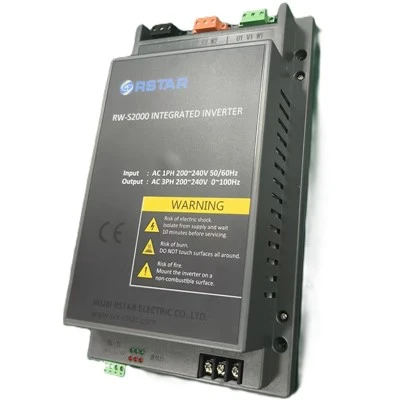
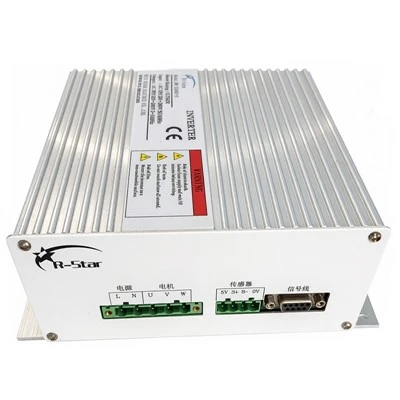
Variable frequency drive motors use frequency control technology to adjust motor operating speed. By changing the operating frequency, the motor can adapt to different ventilation requirements based on temperature, space conditions, and airflow demands. This improves air circulation efficiency while reducing energy consumption. Variable frequency motors are often integrated with intelligent control systems and are widely used in large factories, logistics centers, and smart buildings.
Each type of industrial fan motor has its own advantages. When selecting a motor, factors such as space size, motor power, operating duration, energy-saving requirements, and control methods should be considered. With the development of smart manufacturing and green energy technologies, industrial fan motors are continuously evolving toward higher efficiency, intelligent operation, and lower energy consumption, providing more reliable and efficient airflow solutions for modern industrial environments.