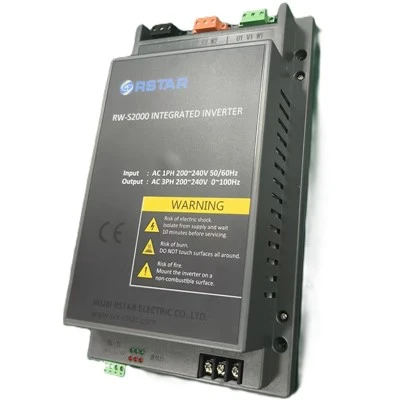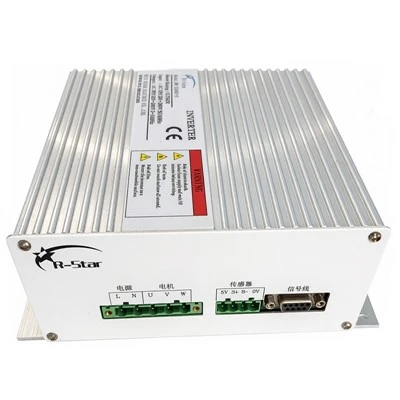
An industrial fan motor is the core power component of a large industrial ventilation system. Its technological development directly affects fan efficiency, energy consumption, and overall operating performance. With the growth of industrial automation, energy-saving solutions, and smart manufacturing, industrial fan motors are continuously integrating advanced motor technologies, control systems, and intelligent management technologies to achieve more efficient, stable, and precise airflow management in large spaces.
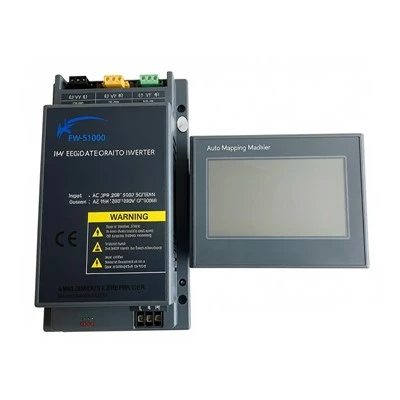
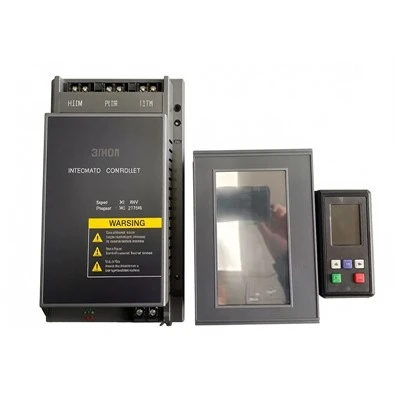
Variable frequency control technology is one of the key technologies used in industrial fan motors. By adjusting the operating frequency of the motor, the system can regulate motor speed and control airflow according to different environmental requirements. Compared with traditional fixed-speed operation, variable frequency technology reduces starting impact, improves operating stability, and lowers energy consumption. In large factories and warehouses, this technology significantly improves ventilation efficiency and supports energy-saving operation.
Permanent magnet synchronous motor technology is also an important development direction for modern industrial fans. This technology uses permanent magnets to generate a magnetic field, reducing energy losses and improving electrical conversion efficiency. Compared with traditional motors, permanent magnet synchronous motors offer higher efficiency, faster response, and a more compact structure, making them suitable for long-term and high-efficiency industrial applications.
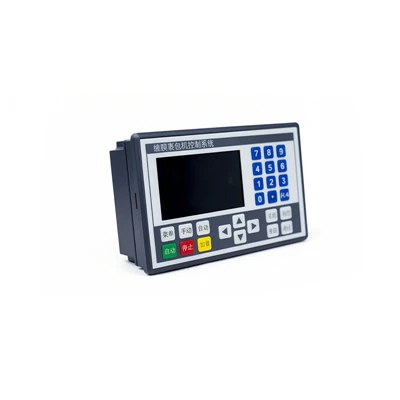
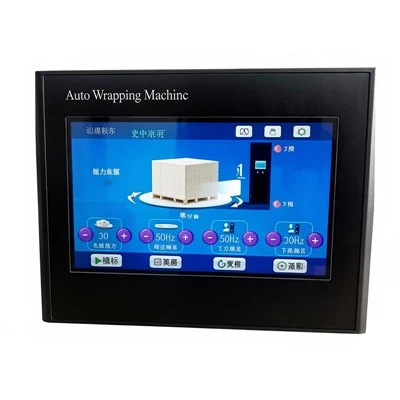
Intelligent control technology further enhances the value of industrial fan motors. By integrating sensors, control algorithms, and data management systems, motors can automatically adjust operating conditions according to temperature, humidity, and environmental changes. For example, the system can increase airflow when temperatures rise and reduce power output when conditions improve, achieving more precise energy management.
Motor drive technology is another important factor affecting industrial fan performance. Advanced drive systems improve startup capability, speed control accuracy, and operating stability, allowing large fan blades to maintain smooth operation under different load conditions. Optimized electrical design also helps reduce operating noise and improve user comfort.
Safety protection technology provides essential support for reliable motor operation. Modern industrial fan motor systems usually include overcurrent protection, overheating protection, voltage monitoring, and fault detection functions. When abnormal conditions occur, the system can quickly activate protective measures to prevent motor damage and improve overall safety.
In addition, industrial communication and remote monitoring technologies are increasingly being applied to industrial fan motors. By connecting with intelligent management platforms, businesses can monitor equipment status in real time, perform remote control, and analyze operational data to improve equipment management efficiency.
In the future, industrial fan motors will continue developing toward higher efficiency, lower energy consumption, and greater intelligence. Through the integration of advanced technologies, industrial fans will provide more reliable, efficient, and intelligent ventilation solutions for modern industrial environments.