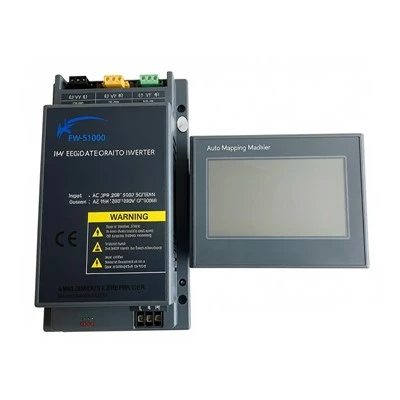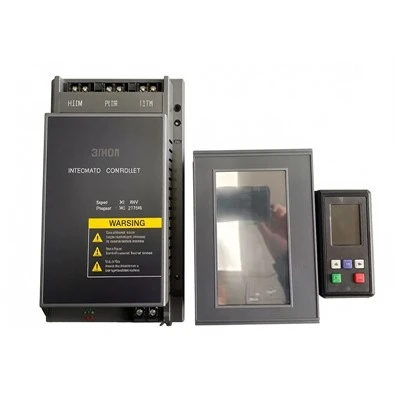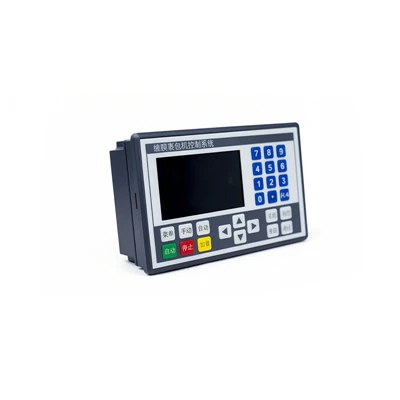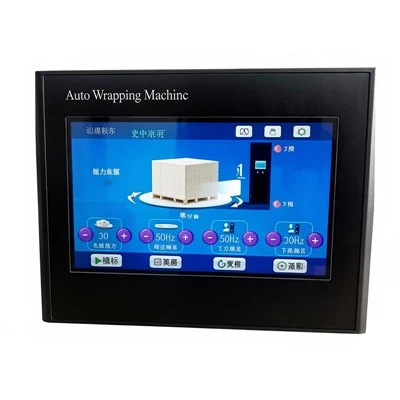
The structure of a stretch wrapping machine control system plays a vital role in determining the machine's operating efficiency, control accuracy, and long-term reliability. Modern control systems are typically designed using a modular architecture that integrates a control unit, drive unit, sensing unit, execution unit, and human-machine interface. This modular design improves system reliability while simplifying maintenance, future upgrades, and the integration of additional functions.
At the center of the system is the control unit, which is commonly built around a programmable logic controller (PLC). The PLC receives operator commands, processes input signals from sensors, and coordinates every stage of the wrapping cycle according to predefined control logic. Its high processing capability and strong resistance to electrical interference enable stable and accurate machine operation even during continuous production. In addition, software-based programming allows manufacturers to modify operating sequences easily to meet different packaging requirements.
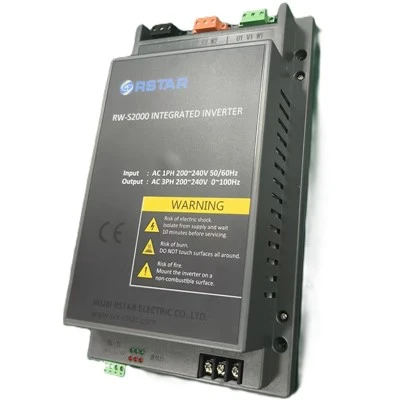
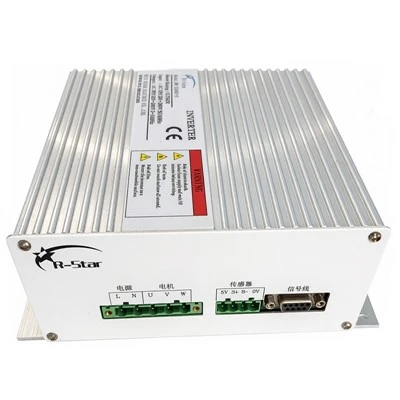
The drive unit consists of variable frequency drives, servo drives, and electric motors that power the turntable, film carriage, and other moving components. Accurate speed regulation and synchronized motion control ensure smooth equipment operation and consistent film application. This design not only improves packaging quality but also reduces film consumption, equipment vibration, and mechanical wear, contributing to longer service life and lower maintenance costs.
The sensing unit includes photoelectric sensors, limit switches, and various safety devices that continuously monitor load dimensions, machine position, and operating conditions. Based on real-time feedback, the control system automatically adjusts machine operation while activating alarms or protective shutdown functions whenever abnormal conditions are detected. This enhances both operational safety and equipment reliability.
A user-friendly human-machine interface further improves system usability. Operators can configure packaging parameters, monitor machine status, review fault messages, and perform routine maintenance through an intuitive touchscreen display. Many advanced systems also support industrial networking, remote monitoring, production data collection, and communication with factory automation platforms, providing the connectivity required for smart manufacturing and fully integrated packaging operations.