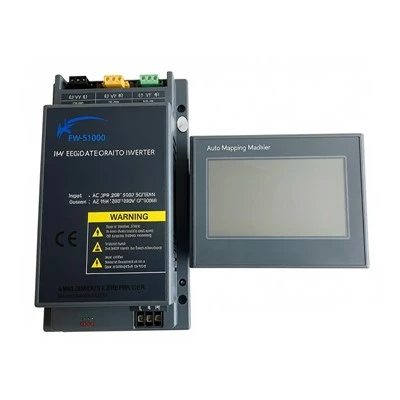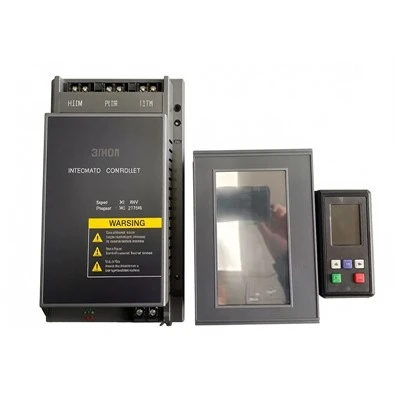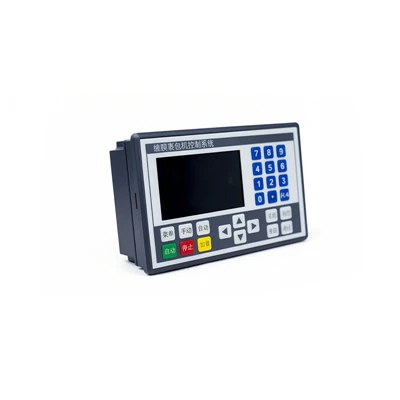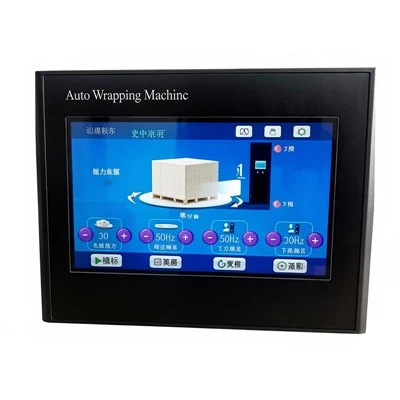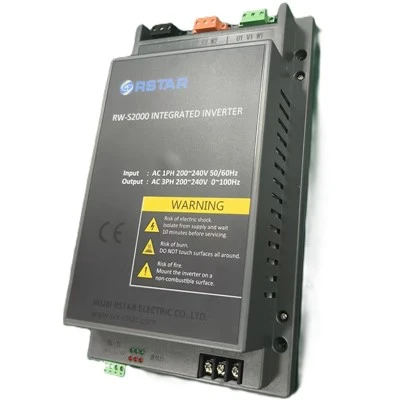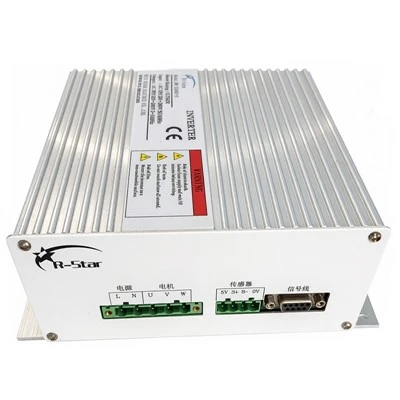
A stretch wrapping machine control system serves as the central management unit of an automated packaging machine. It is responsible for coordinating machine operation, managing process parameters, ensuring operational safety, and supporting intelligent monitoring functions. As automation technology continues to evolve, modern control systems have expanded far beyond basic machine control, providing manufacturers with greater efficiency, higher packaging consistency, and improved production management.
The primary function of the control system is to automate the entire wrapping process. Using a programmable logic controller (PLC), the system coordinates the turntable, film carriage, motors, and other mechanical components according to predefined operating sequences. Once the required packaging parameters have been entered, the machine automatically performs pallet rotation, film application, carriage movement, and reinforcement wrapping without continuous operator intervention. This significantly improves productivity while maintaining consistent packaging quality.
Another important function is flexible parameter management. Through the human-machine interface (HMI), operators can easily configure wrapping cycles, turntable speed, carriage travel speed, film tension, and other operating settings to accommodate different product types. Many advanced systems also allow users to save multiple packaging recipes, enabling rapid product changeovers and ensuring repeatable packaging performance across different production batches.
Operational safety is an essential feature of every modern stretch wrapping machine control system. Integrated protection functions, including emergency stop circuits, overload protection, sensor monitoring, and fault alarms, continuously monitor equipment status during operation. If abnormal conditions are detected, the system immediately stops the machine and displays diagnostic information, allowing maintenance personnel to identify and resolve issues quickly while minimizing production downtime.
In addition to machine control, today's intelligent systems provide advanced connectivity and production management capabilities. By supporting industrial communication protocols, the control system can exchange data with conveyor systems, robotic palletizers, and factory management software. Remote monitoring, equipment diagnostics, production data collection, and preventive maintenance all become possible, helping manufacturers optimize equipment utilization, improve operational efficiency, and build more intelligent and connected packaging production lines.