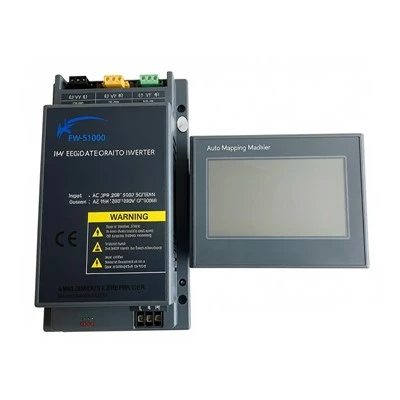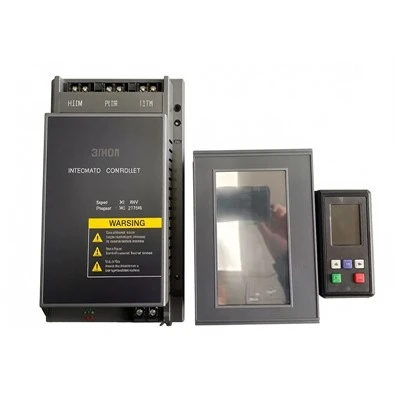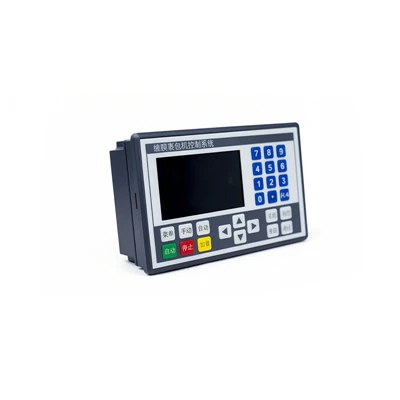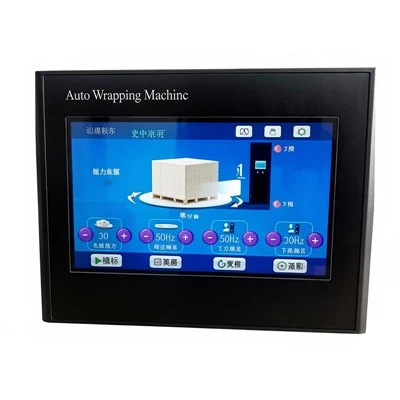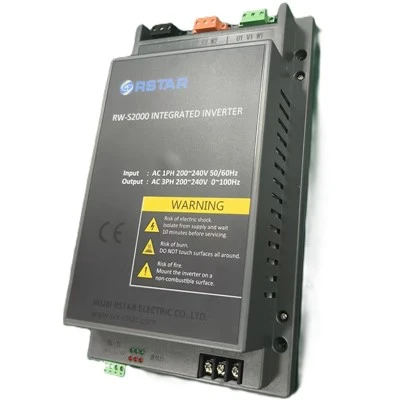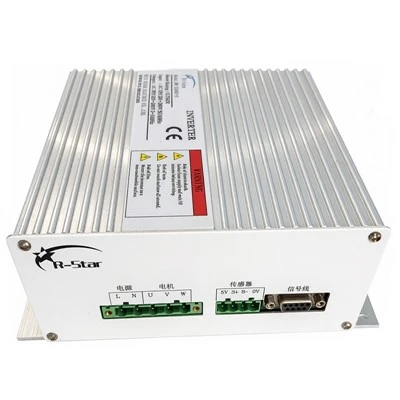
Stretch wrapping machine control systems are widely used across logistics, warehousing, manufacturing, and packaging industries. As companies continue to pursue higher production efficiency, consistent packaging quality, and smarter factory management, these control systems have become an essential part of modern automated packaging lines. By integrating PLCs, variable frequency drives, sensors, and human-machine interfaces, the system delivers accurate, reliable, and efficient control for a wide variety of packaging applications.
In logistics and warehouse operations, stretch wrapping machines are primarily used to secure palletized goods before storage or transportation. The control system automatically coordinates turntable rotation and film carriage movement to wrap the load evenly with stretch film. This process helps protect products from shifting, moisture, dust, and external impacts during handling and transportation while significantly reducing manual labor and increasing packaging throughput.
The food, beverage, and consumer goods industries also rely heavily on stretch wrapping technology. Products of different sizes and packaging configurations require consistent wrapping quality to ensure safe transportation and an attractive appearance. The control system automatically adjusts machine parameters based on sensor feedback, maintaining uniform wrapping performance while reducing unnecessary film consumption and improving production efficiency.
For industries such as building materials, chemicals, and heavy equipment manufacturing, pallet loads are often larger, heavier, or irregularly shaped. Stretch wrapping machine control systems allow operators to customize wrapping cycles, turntable speed, film tension, and reinforcement patterns according to specific product requirements. This flexibility improves load stability, minimizes transportation damage, and helps lower overall logistics costs.
With the rapid development of smart manufacturing, modern stretch wrapping machine control systems are becoming increasingly connected and intelligent. Many systems now support industrial communication protocols, remote monitoring, production data collection, and integration with conveyor systems, robotic palletizers, and factory management software. These advanced capabilities enable manufacturers to build highly automated packaging lines while improving operational efficiency, equipment management, and production flexibility for future manufacturing environments.