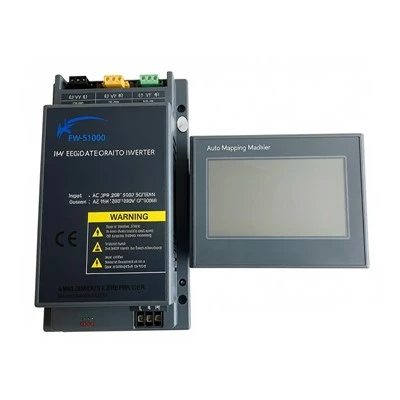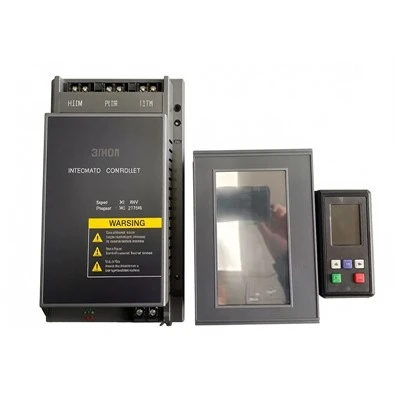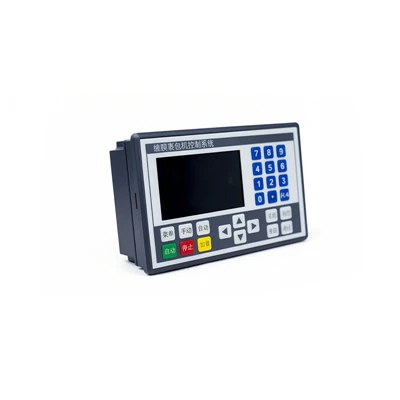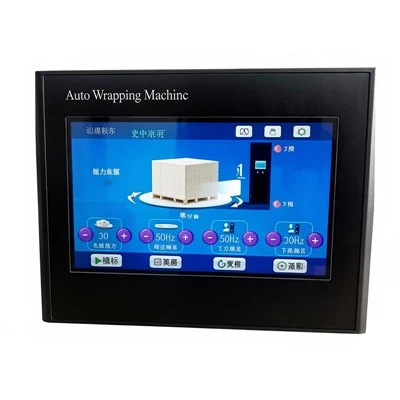
A stretch wrapping machine control system serves as the central control unit of an automated packaging line. Its primary function is to coordinate all machine operations, enabling efficient and consistent wrapping while improving packaging quality and production efficiency. With the advancement of industrial automation, modern control systems have evolved from conventional relay-based designs to intelligent solutions built around PLCs, variable frequency drives, sensors, and human-machine interfaces.
Before operation begins, the operator sets key parameters through the touchscreen or control panel, including the number of wrapping cycles, turntable speed, carriage lifting speed, and the number of reinforcement wraps at the top and bottom of the load. The PLC acts as the system's control center, processing input from sensors and continuously managing motors, drives, and other actuators to ensure that every stage of the wrapping process follows the programmed sequence.
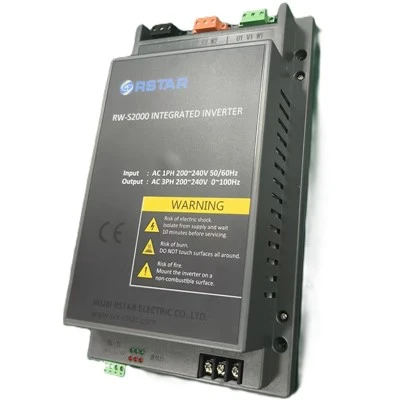
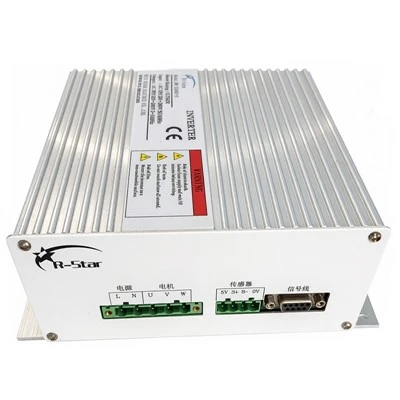
During operation, the turntable rotates the pallet at a controlled speed while the film carriage moves vertically to apply stretch film evenly across the load. A photoelectric sensor detects the height of the pallet, allowing the system to automatically adjust the lifting range of the film carriage. This ensures reliable wrapping performance for products of different sizes without requiring manual adjustments. At the same time, variable frequency drive technology provides smooth speed regulation, helping reduce energy consumption and mechanical wear while maintaining stable packaging quality.
To improve operational safety and equipment reliability, modern control systems are equipped with emergency stop functions, overload protection, fault alarms, and automatic reset capabilities. If an abnormal condition is detected, the machine immediately stops and displays diagnostic information on the operator interface, allowing maintenance personnel to identify and resolve issues quickly while minimizing production downtime.
As smart manufacturing and industrial connectivity continue to develop, many stretch wrapping machine control systems now support remote monitoring, production data collection, and equipment performance analysis. These capabilities enable manufacturers to monitor machine status in real time, optimize production processes through data-driven insights, and further enhance the efficiency, reliability, and intelligence of automated packaging operations.