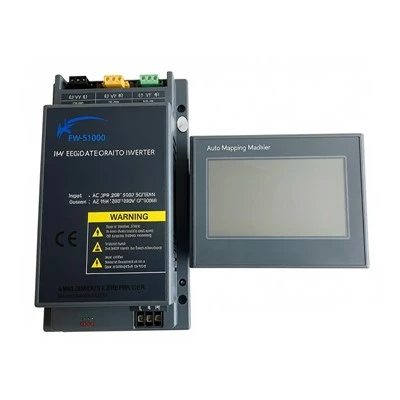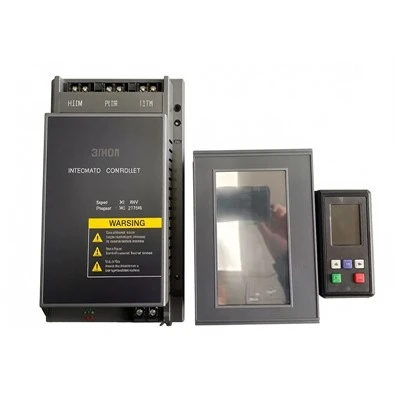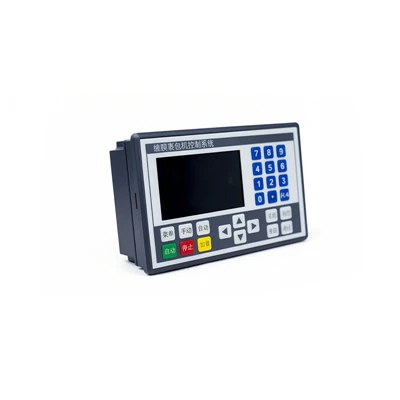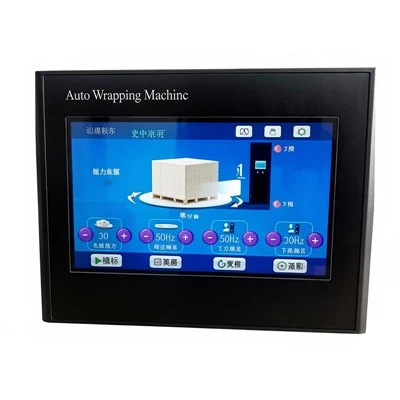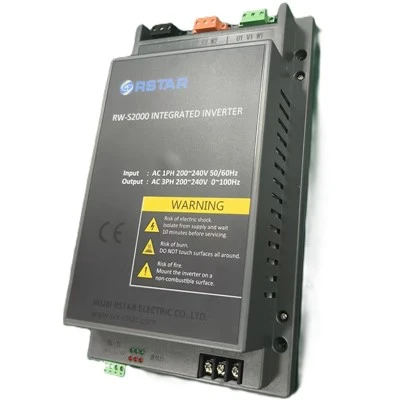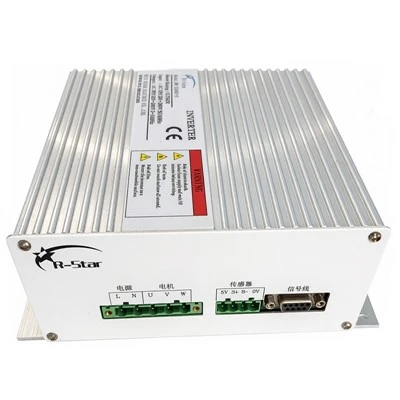
An industrial fan controller is an essential component of large industrial ceiling fan systems, responsible for regulating and managing fan operation. Based on control methods, technical structures, and levels of intelligence, industrial fan controllers can be divided into several categories, including traditional speed controllers, variable frequency controllers, intelligent controllers, and network-based control systems. Each type provides different functional advantages, allowing businesses to select the most suitable solution according to their working environment, space requirements, and energy-saving goals.
Traditional speed controllers represent one of the earliest control methods used for industrial fans. They regulate fan speed by adjusting electrical output parameters. This type of controller features a simple structure, easy operation, and relatively low cost, making it suitable for applications with basic airflow requirements. However, due to limited adjustment accuracy and intelligent capabilities, traditional controllers are gradually being replaced by more advanced solutions in large industrial environments.
Variable frequency controllers are currently among the most widely used types in industrial fan applications. By adjusting the operating frequency of the motor, these controllers provide smooth and continuous speed regulation, allowing fans to deliver the appropriate airflow level according to actual environmental conditions. Variable frequency control offers stable operation, improved energy efficiency, and enhanced motor protection, making it widely used in factories, warehouses, logistics centers, and other large industrial spaces.
Intelligent controllers are an advanced solution developed from traditional control technologies. These systems often integrate temperature sensors, humidity sensors, and automatic adjustment programs to optimize fan operation according to environmental changes. For example, when indoor temperatures increase, the system can automatically increase airflow; when conditions improve, it can reduce operating speed to achieve more efficient air management.
Network-based industrial fan control systems represent the future development trend. By using industrial communication technologies and data management platforms, these systems enable remote control, equipment monitoring, operational data collection, and centralized management. Operators and managers can monitor system performance in real time, optimize energy usage, and improve overall operational efficiency, supporting the digital transformation of industrial ventilation systems.
With continuous advancements in automation technology, industrial fan controllers will continue to develop toward higher efficiency, greater intelligence, and improved connectivity, providing more energy-saving, reliable, and intelligent ventilation solutions for modern industrial environments.