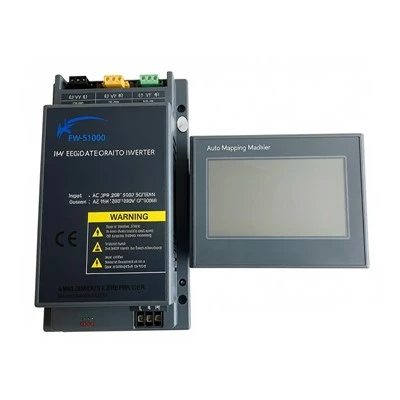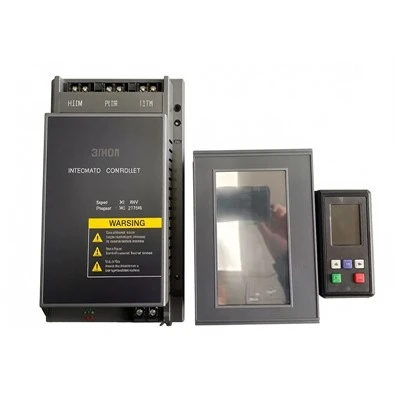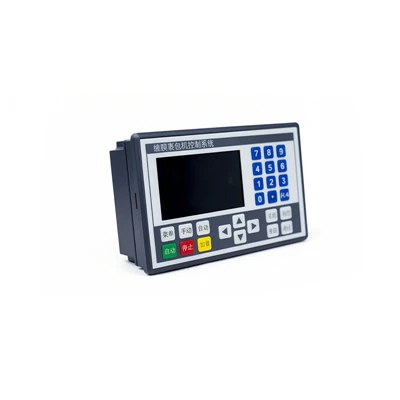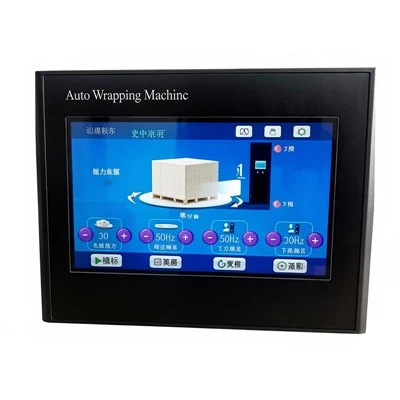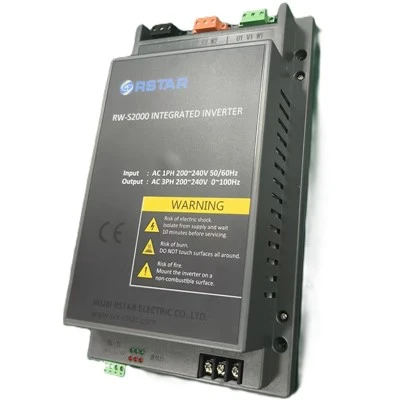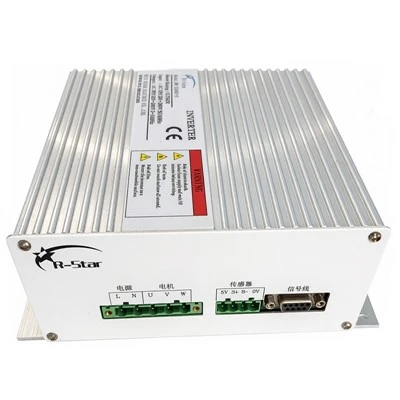
An industrial fan controller is an automated electrical device designed to manage the operation of large industrial ceiling fans. Its main functions include controlling fan start and stop operations, adjusting motor speed, and providing operational protection. As a key component of an industrial fan system, the controller processes electrical input and control signals to ensure stable, efficient, and energy-saving fan performance under different environmental conditions.
Compared with conventional household fan controllers, industrial fan controllers are designed to handle higher loads, longer operating periods, and more demanding industrial environments. Large industrial fans are commonly used in factories, warehouses, logistics centers, and large public facilities. Therefore, the controller must provide more than basic speed adjustment; it also needs to offer precise control, safety protection, and intelligent management capabilities to support reliable long-term operation.
An industrial fan controller typically consists of a control module, drive module, protection system, and communication interface. The control module receives operating commands and generates appropriate control signals according to preset parameters. The drive module regulates motor performance by adjusting output frequency and voltage to control fan speed. The protection system continuously monitors current, voltage, temperature, and load conditions, activating protective measures when abnormal situations occur.
Modern industrial fan controllers commonly use variable frequency control technology to achieve smooth and continuous speed adjustment. By changing the motor operating frequency, the controller allows the fan to provide the appropriate airflow level based on actual environmental requirements. For example, in hot environments or areas with high occupancy, the system can increase airflow to improve ventilation, while reducing speed during low-demand periods to save energy and improve efficiency.
With the development of industrial automation and intelligent management technologies, industrial fan controllers are becoming increasingly intelligent. Advanced systems can integrate temperature sensors, humidity sensors, remote communication functions, and automatic adjustment capabilities to optimize operation based on environmental data. Through data collection and equipment connectivity, businesses can monitor system performance in real time and achieve more efficient energy management.
In summary, an industrial fan controller is a comprehensive device that combines electrical control, speed regulation, safety protection, and intelligent management functions. It improves ventilation efficiency in large industrial spaces, reduces energy consumption, and enhances working environments, making it an essential technology for modern industrial ventilation systems.