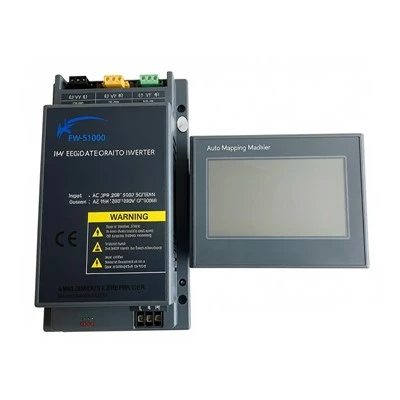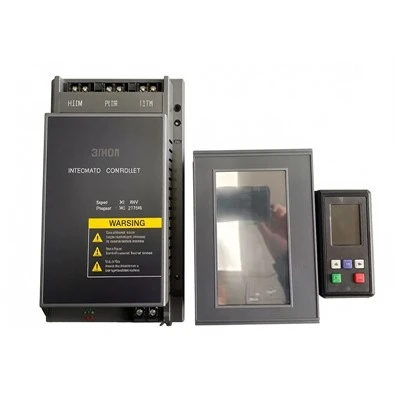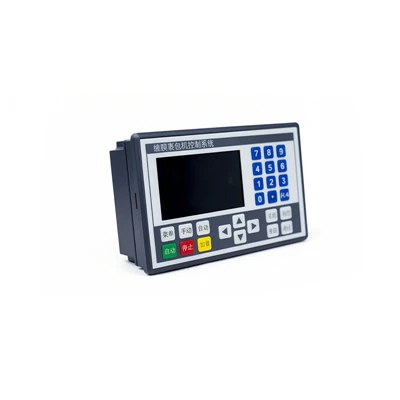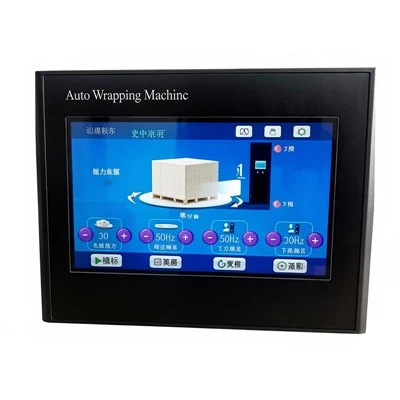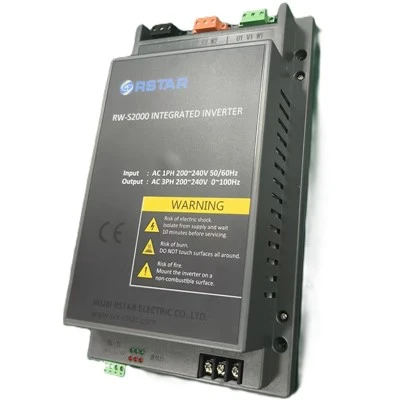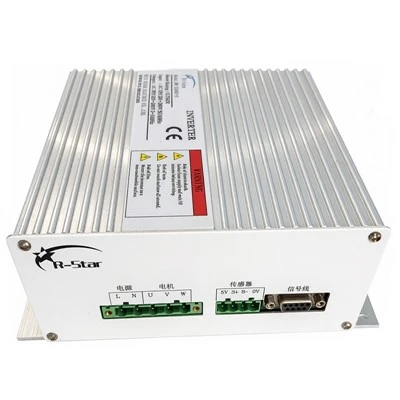
An industrial fan controller is the core control component of a large industrial ceiling fan system. Its primary function is to regulate motor operation, including speed adjustment, start and stop control, safety protection, and intelligent performance management. Compared with conventional fan control methods, industrial fan controllers must handle higher motor loads, long operating periods, and demanding industrial environments, requiring superior stability, precision, and reliability.
The operating principle of an industrial fan controller is based on receiving control commands, processing the input power, and adjusting the output signals supplied to the motor. When users set the desired airflow level through a control panel, remote device, or intelligent management system, the controller adjusts the output frequency and voltage according to the selected parameters. This allows the motor to operate at the required speed and provides effective air circulation for different working conditions.
Variable frequency control technology is one of the key technologies used in industrial fan controllers. By changing the operating frequency of the motor, the controller enables smooth speed adjustment and allows the fan to provide the appropriate airflow according to environmental requirements. For example, in areas with high personnel density, the controller can increase fan speed to improve air movement, while reducing speed during low-demand periods to lower energy consumption and improve operational efficiency.
Industrial fan controllers are also equipped with intelligent monitoring and protection functions. The system continuously monitors operating conditions such as current, voltage, temperature, and motor load. When abnormal situations occur, including overload, excessive temperature, or unstable power supply, the controller can automatically activate protection measures by reducing output or stopping operation. This helps prevent equipment damage and improves overall operational safety.
With the development of smart manufacturing and Industrial Internet technologies, modern industrial fan controllers are becoming increasingly intelligent. Some systems support temperature and humidity sensors, remote communication modules, and automatic adjustment functions, allowing airflow levels to be optimized according to environmental changes. Through data collection and remote monitoring, companies can better manage equipment performance and improve energy efficiency.
By combining electrical control, variable speed regulation, intelligent monitoring, and data management technologies, industrial fan controllers provide efficient ventilation and energy-saving solutions for large industrial spaces. As automation technology continues to advance, these systems will play an increasingly important role in smart factories, warehouses, and modern production environments.