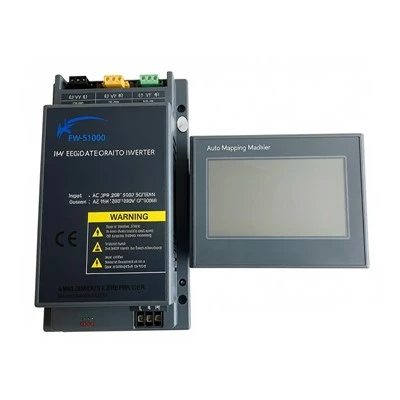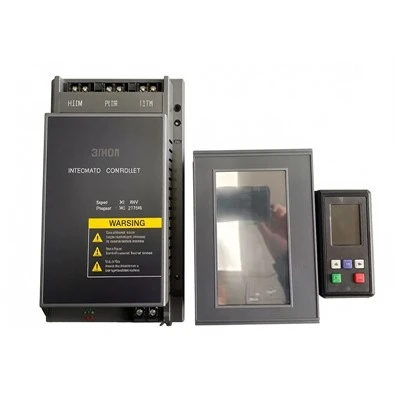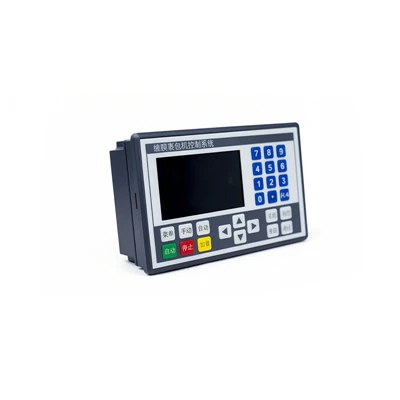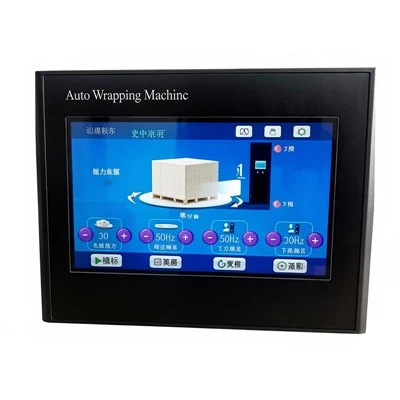
A stretch wrapping machine control system is an automated control solution designed to manage and coordinate the operation of a stretch wrapping machine. It serves as the central control platform that oversees every stage of the packaging process, ensuring that all machine components work together efficiently to produce secure, consistent, and high-quality pallet wrapping.
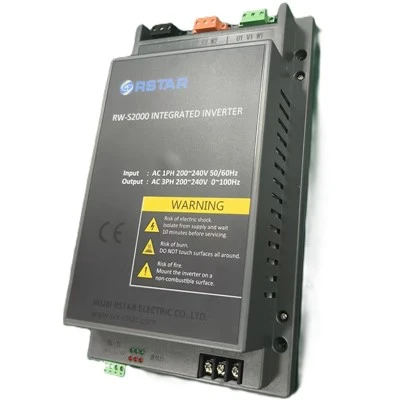
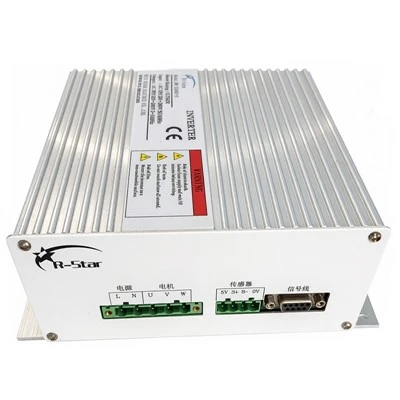
A typical control system consists of several key components, including a programmable logic controller (PLC), a human-machine interface (HMI), variable frequency drives, photoelectric sensors, servo drives, and electrical control devices. The PLC functions as the primary controller, executing programmed instructions while processing real-time feedback from sensors. Based on this information, the system controls the turntable, film carriage, lifting mechanism, and other actuators to complete the wrapping cycle automatically. Operators can easily configure parameters such as wrapping layers, rotation speed, carriage travel speed, and reinforcement wrapping through the touchscreen interface, allowing the machine to adapt to different packaging requirements.
Compared with traditional mechanical control methods, modern stretch wrapping machine control systems offer greater automation, higher control accuracy, and improved operational stability. Automatic adjustment functions help accommodate loads of different sizes while maintaining consistent wrapping quality and reducing unnecessary film consumption. In addition, precise motor speed control provided by variable frequency drives contributes to smoother machine operation, lower energy consumption, and reduced mechanical wear, resulting in longer equipment service life and lower maintenance costs.
As smart manufacturing continues to evolve, stretch wrapping machine control systems are becoming increasingly intelligent and connected. Many systems now support remote monitoring, production data collection, fault diagnostics, and communication with factory management platforms. These advanced capabilities enable manufacturers to optimize equipment performance, improve production management, and enhance overall operational efficiency. With continued technological development, intelligent control systems will remain a key driver of innovation in automated packaging equipment.