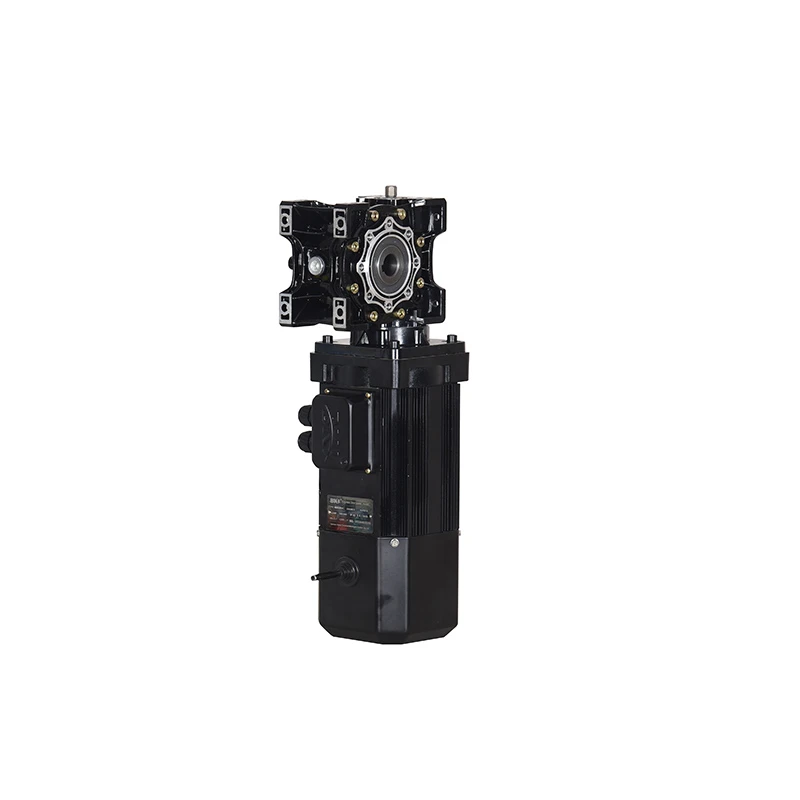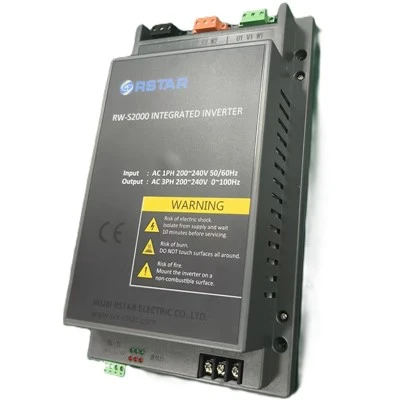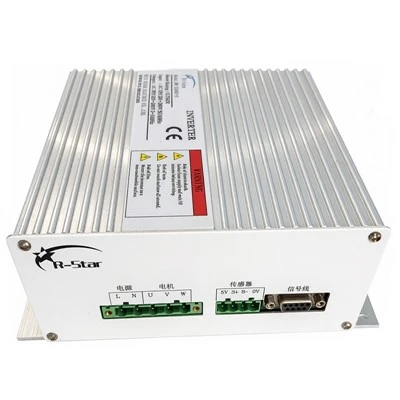
An industrial fan motor is the core power component that enables stable operation of large industrial fans. Its manufacturing process involves multiple stages, including structural design, component production, motor assembly, and performance testing. To ensure high efficiency, reliability, and long-term operation, strict manufacturing processes and quality control standards are required to meet the demanding conditions of industrial applications.
The production of an industrial fan motor begins with the design and development stage. Engineers create the overall design based on fan size, operating load, application environment, and control requirements. The design process includes motor structure planning, electromagnetic parameter selection, cooling methods, and protection levels. A well-designed solution ensures proper matching between motor output and fan load, improving efficiency and reducing potential failures.
During component manufacturing, the main parts of the motor include the stator, rotor, bearings, housing, and connection components. The stator is usually manufactured through processes such as silicon steel lamination stamping, coil winding, and insulation treatment to create a stable magnetic field. The rotor requires precision machining and dynamic balancing to maintain stable operation at high speeds while reducing vibration and noise. Mechanical components such as bearings also require strict processing to ensure durability and reliability.
Motor assembly is a critical stage in the manufacturing process. Production technicians assemble the stator, rotor, bearing system, and housing structure according to specific process standards. During assembly, accurate component alignment and proper fitting must be maintained to ensure smooth internal operation. Cooling structures and protective components are also installed to improve stability during long-term operation.
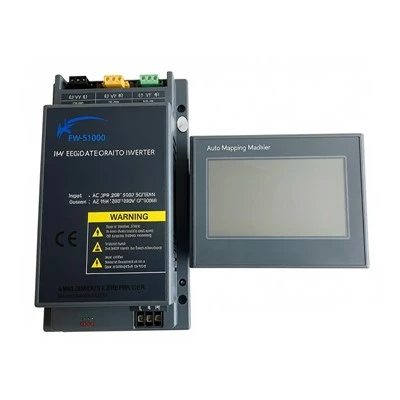
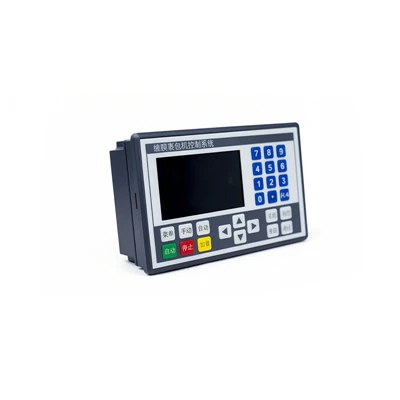
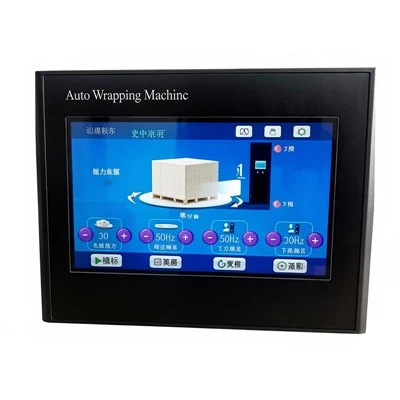
After mechanical assembly, electrical testing and performance adjustment are carried out. Testing items include voltage, current, power, speed, temperature rise, noise level, and operational stability. By simulating actual working conditions, manufacturers can verify whether the motor meets design requirements and identify potential issues. For motors with intelligent control functions, additional system compatibility testing is performed to ensure proper speed regulation and protection functions.
Quality inspection is an essential part of industrial fan motor production. Through factory testing, endurance operation tests, and safety evaluations, manufacturers ensure that each motor delivers stable and reliable performance. Strict production procedures improve product quality and extend equipment service life.
With the development of industrial automation and energy-saving technologies, industrial fan motor manufacturing is continuously evolving toward higher precision and intelligent production. Through advanced manufacturing methods and strict quality management, modern industrial fan motors provide more efficient and reliable power solutions for large factories, warehouses, and smart industrial environments.