An industrial fan motor is the core power component of a large industrial fan system. Selecting the right motor affects airflow performance, system stability, energy consumption, and long-term operating costs. Since different industrial environments have different ventilation requirements, operating durations, and load conditions, motor selection should be based on several factors, including power capacity, efficiency, control method, and reliability.
The first consideration is motor power according to the size and characteristics of the application space. Different areas and ceiling heights require different levels of airflow performance. Large factories and warehouses usually need motors with stronger power output to drive large fan blades and provide sufficient air coverage. A motor with insufficient power may result in poor airflow, while an oversized motor may cause unnecessary energy consumption. Therefore, proper power matching is essential.
Motor efficiency is another important factor. Industrial fans often operate continuously for long periods, making energy efficiency a key consideration. High-efficiency motors reduce power losses during operation and help lower long-term operating costs. Currently, permanent magnet synchronous motors and high-efficiency variable frequency motors are becoming popular choices due to their improved energy performance.
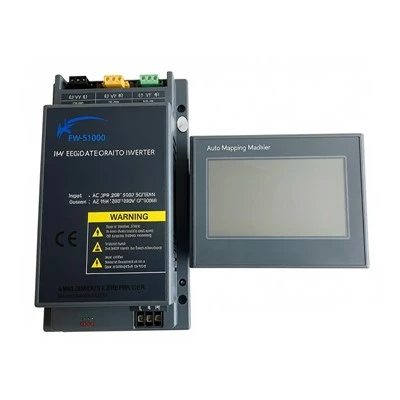
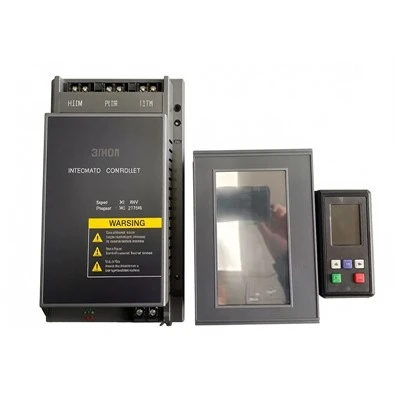
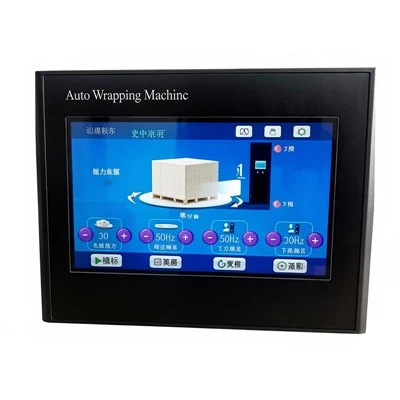
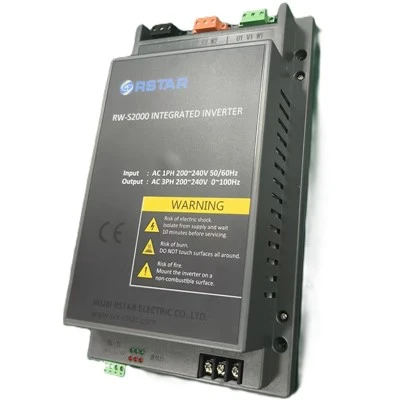
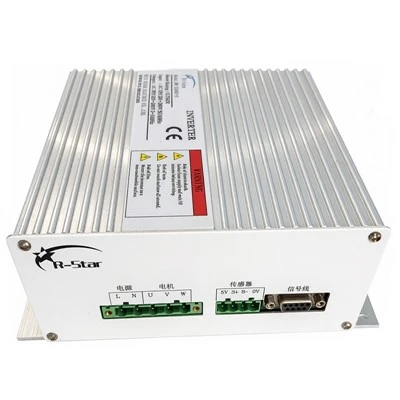
The control method should also be considered when selecting an industrial fan motor. Traditional motors usually operate at fixed speeds, while modern industrial environments require more flexible control. When combined with variable frequency control systems, motors can adjust speed according to temperature, space conditions, and ventilation requirements, providing more accurate airflow management and improved efficiency.
Motor stability and durability are equally important. Industrial environments may involve dust, humidity changes, and long operating hours. Therefore, motors with strong protection designs, effective cooling systems, and durable mechanical structures can reduce failures and extend service life. Safety features such as overheating protection and overload protection further improve operational reliability.
Compatibility with the overall system is another important consideration. A high-quality industrial fan motor should support connection with controllers, sensors, and intelligent management platforms, enabling remote monitoring and automated operation. For companies pursuing digital management, motors with intelligent expansion capabilities provide better future upgrade options.
Overall, selecting an industrial fan motor requires evaluation of the operating environment, power requirements, energy efficiency, control functions, safety features, and scalability. A suitable motor improves industrial fan performance while helping businesses achieve more efficient, energy-saving, and reliable ventilation management.