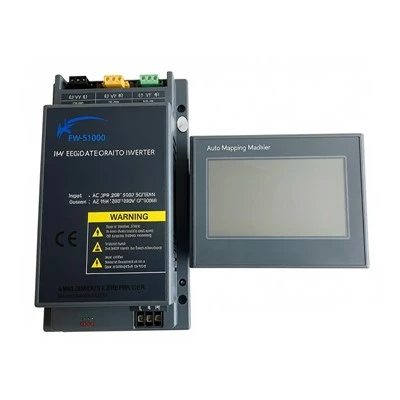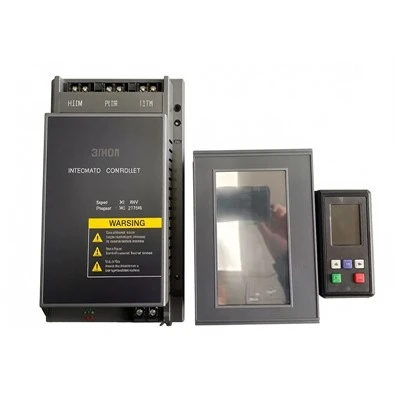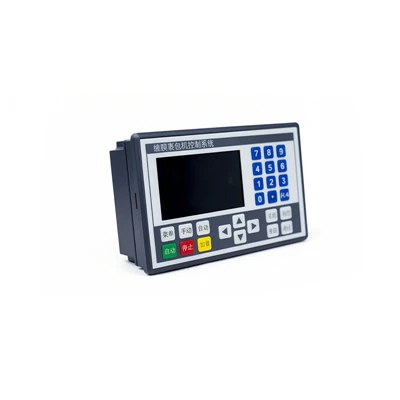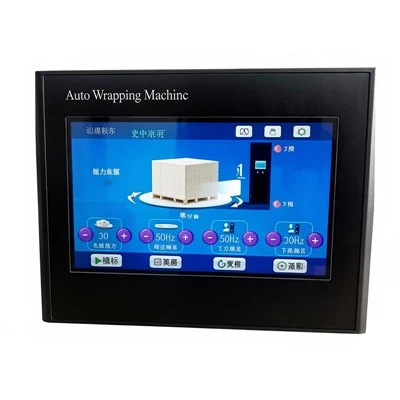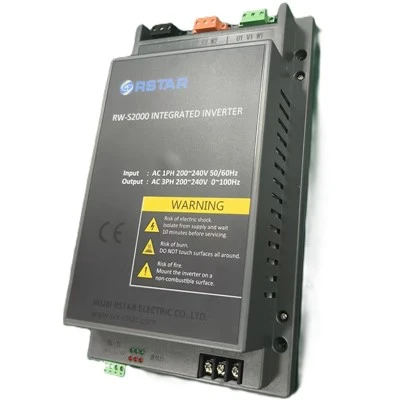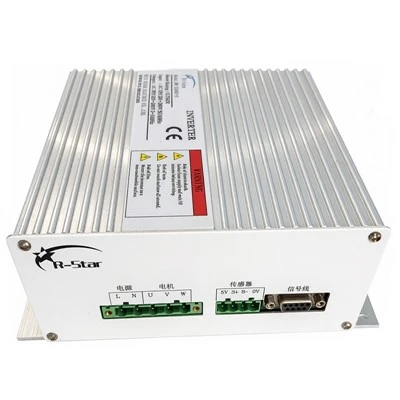
An industrial fan controller plays an important role in determining the performance of large industrial fans. Choosing the right controller affects airflow regulation, energy efficiency, equipment lifespan, and overall ventilation performance. Therefore, the selection process should consider the operating environment, equipment specifications, control functions, and future requirements for intelligent management.
The first consideration is the compatibility between the controller and the industrial fan motor. Different industrial fans have different power ratings, voltage requirements, current levels, and operating characteristics. The controller must match the motor specifications to ensure stable operation. An undersized controller may cause operational problems, while an oversized solution may increase unnecessary costs. Proper configuration should be based on motor parameters and actual load requirements.
Speed regulation performance is another key factor when selecting an industrial fan controller. Since industrial fans often need to adjust airflow according to different conditions, accurate speed control is essential. Controllers using variable frequency technology can smoothly adjust motor operating frequency, allowing the fan to respond to temperature changes, space conditions, and airflow requirements. This improves ventilation efficiency while reducing energy consumption.
The range of control functions is also an important selection criterion. Basic controllers usually provide start-stop control and speed adjustment, while advanced control systems may include automatic regulation, scheduled operation, fault alarms, and remote management functions. For large factories, warehouses, and intelligent production environments, controllers with advanced control capabilities provide better long-term management solutions.
System stability and safety protection should also be carefully evaluated. High-quality industrial fan controllers typically include overcurrent protection, overvoltage protection, overheating protection, and fault detection functions. These features allow the system to respond quickly to abnormal conditions, prevent motor damage, and improve overall safety. Effective heat dissipation and protective design also help ensure reliable operation in demanding industrial environments.
In addition, scalability and technical support should be considered. As industrial automation develops, equipment may need to connect with sensors, remote monitoring systems, or intelligent management platforms. Selecting a controller with communication interfaces and expansion capabilities allows easier future upgrades. Reliable technical support and after-sales service can also reduce maintenance costs.
Overall, selecting an industrial fan controller requires comprehensive evaluation of compatibility, speed control capability, intelligent functions, safety features, and scalability. A suitable controller not only improves industrial fan performance but also helps businesses achieve more efficient, energy-saving, and intelligent ventilation management.