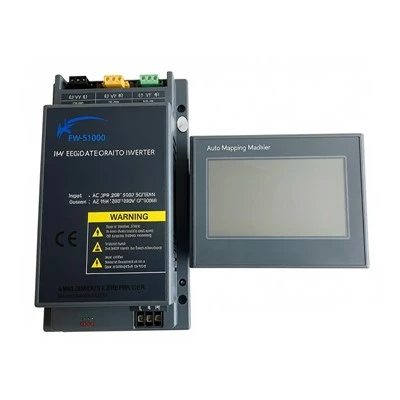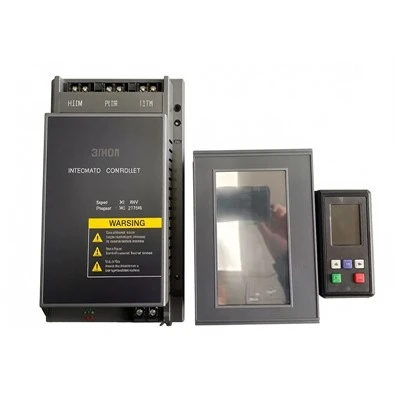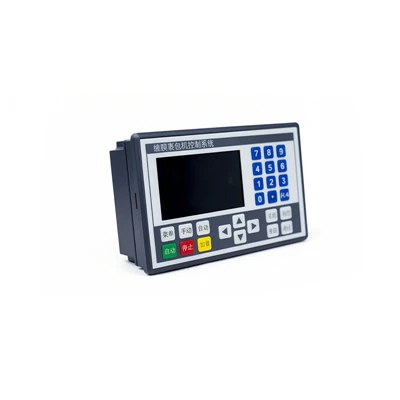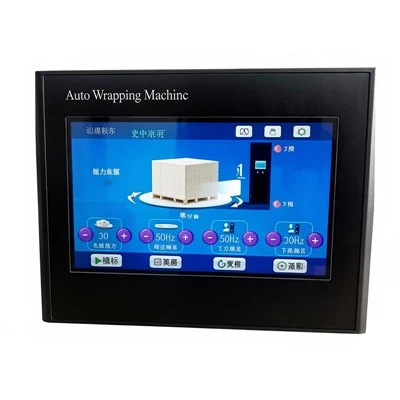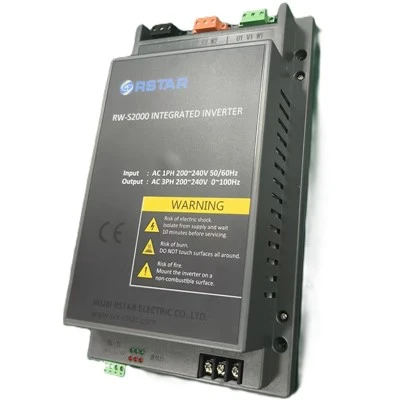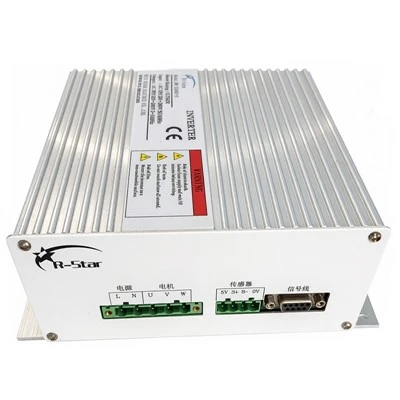
An industrial fan controller is a critical control component in large industrial ventilation systems, and its operating condition directly affects fan performance, equipment safety, and service life. Since industrial fans are commonly used in large spaces such as factories, warehouses, and logistics centers, they often operate continuously for long periods. Therefore, proper installation, operation, and maintenance are essential to ensure stable, safe, and efficient performance.
The installation environment should be carefully considered when setting up an industrial fan controller. The controller should be installed in a dry, well-ventilated location away from excessive vibration, high temperatures, moisture, and heavy dust exposure. These conditions can negatively affect electronic components and reduce equipment reliability. During installation, electrical connections must be completed according to technical requirements, ensuring that power lines, motor connections, and control wiring are correctly configured.
Proper operating parameter settings are also important during use. Industrial fan controllers usually provide speed regulation functions, allowing users to adjust airflow according to space size, temperature conditions, and ventilation requirements. Avoiding unnecessary high-speed operation helps reduce energy consumption and prevents excessive equipment loading. Appropriate speed adjustment improves ventilation performance while extending equipment service life.
Safety protection functions should be regularly checked to maintain reliable operation. Industrial fan controllers are commonly equipped with overcurrent protection, overvoltage protection, overheating protection, and fault alarm functions. When abnormal conditions occur, the system should be stopped and inspected promptly to prevent further damage to the motor or controller.
Regular maintenance is another key factor in ensuring long-term controller performance. Users should periodically check for dust accumulation, loose wiring, and aging components inside the controller. Keeping the equipment clean and following recommended maintenance schedules can effectively reduce failures and improve system reliability.
With the development of intelligent technologies, many industrial fan controllers now support remote monitoring, data collection, and automatic adjustment functions. When using these advanced systems, attention should be given to communication settings, data security, and system compatibility to ensure stable integration with other equipment and management platforms.
Proper operation and maintenance of industrial fan controllers not only improve equipment efficiency but also reduce maintenance costs and ensure reliable long-term ventilation performance. Paying attention to installation, operation, safety, and maintenance requirements is essential for achieving the best performance from industrial fan control systems.