An industrial fan motor is the core power component of a large industrial ceiling fan system. Its primary function is to convert electrical energy into mechanical energy, driving the fan blades to rotate at different speeds and generate large-scale, continuous airflow. Since industrial fans are commonly used in large spaces such as factories, warehouses, and logistics centers, the motor must provide high efficiency, low noise operation, and long-term reliability to meet demanding industrial requirements.
The working principle of an industrial fan motor is mainly based on electromagnetic induction. When electrical power is supplied to the motor, current flows through the stator windings and creates a rotating magnetic field. The electromagnetic interaction between this magnetic field and the rotor generates rotational force, causing the rotor to spin. This mechanical movement is transferred to the fan blades, creating continuous airflow for ventilation and cooling purposes.
Industrial fan motors are generally available in different types, including AC motors and permanent magnet synchronous motors. Traditional AC motors generate rotation through electromagnetic field changes and offer mature technology and reliable performance for many industrial applications. Permanent magnet synchronous motors use permanent magnets to create a magnetic field, providing higher efficiency, lower energy consumption, and improved control accuracy, making them an increasingly popular choice for high-performance industrial fans.
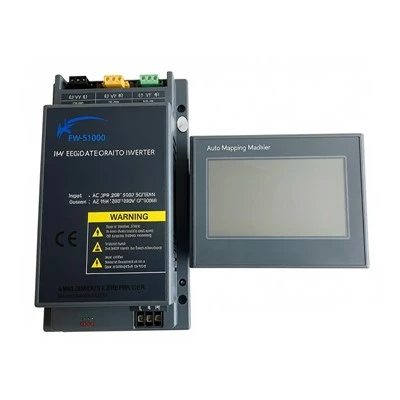
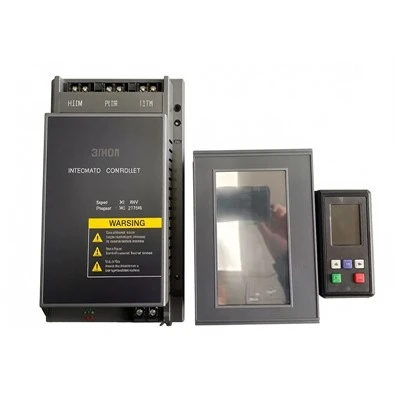
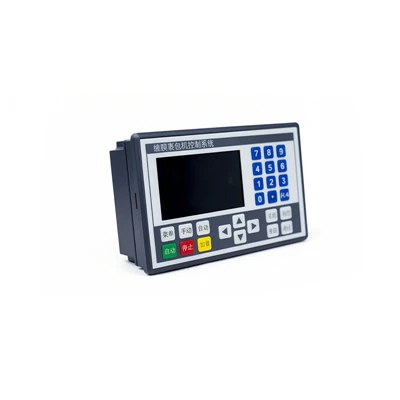
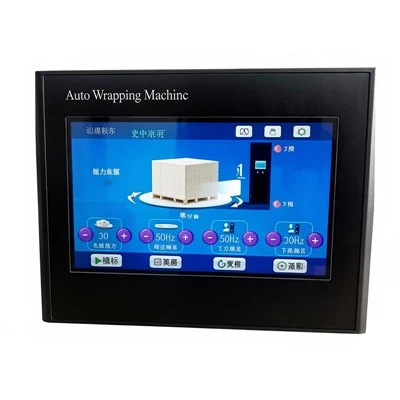
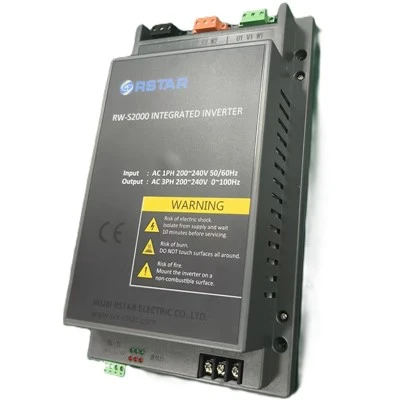
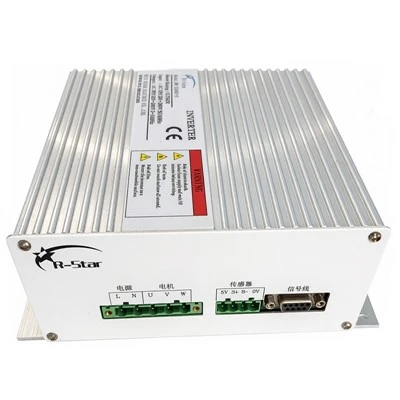
Industrial fan motors usually operate together with control systems for efficient management. By adjusting input voltage and operating frequency, the controller can regulate motor speed and airflow according to environmental requirements. For example, in areas with higher temperatures or greater occupancy, the system can increase motor speed to improve air circulation. During lower-demand periods, the speed can be reduced to save energy.
Heat dissipation and protection design are also important factors affecting motor performance. Industrial fan motors are often equipped with optimized cooling structures to reduce heat generated during long-term operation. In addition, protection functions such as overload protection and temperature monitoring continuously track motor conditions, preventing damage caused by abnormal operation and improving safety and service life.
With the development of smart manufacturing technologies, industrial fan motors are becoming more efficient and intelligent. By integrating variable frequency control, sensor technology, and remote management systems, motors can achieve more precise operation adjustment and improved energy efficiency. In the future, industrial fan motors will play an increasingly important role in green factories, smart warehouses, and large public spaces, providing reliable and efficient airflow solutions for modern industrial environments.