
In the dynamic landscape of industrial automation, conveyor systems stand as the backbone of numerous manufacturing and logistics operations. These systems are designed to efficiently transport goods from one point to another, streamlining production processes and enhancing overall productivity. As a leading supplier of tension sensors, I am often asked whether these sensors can be effectively utilized in conveyor systems. In this blog post, I will delve into the capabilities of tension sensors and explore their potential applications in conveyor systems.
Understanding Tension Sensors
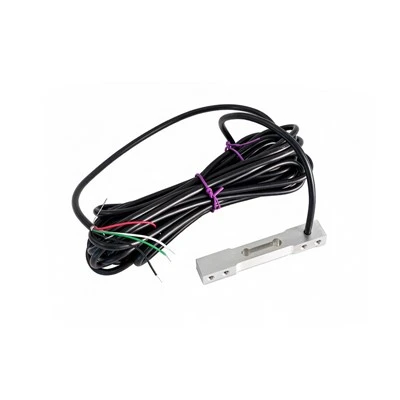
Tension sensors, also known as load cells, are devices that measure the force or tension applied to a material. They work by converting the mechanical force into an electrical signal, which can then be measured and analyzed. Tension sensors are commonly used in a variety of industries, including manufacturing, automotive, aerospace, and robotics, to monitor and control the tension of materials such as cables, belts, and wires.
There are several types of tension sensors available on the market, each with its own unique features and capabilities. Some of the most common types include strain gauge load cells, piezoelectric load cells, and hydraulic load cells. Strain gauge load cells are the most widely used type of tension sensor, as they are relatively inexpensive, accurate, and reliable. Piezoelectric load cells are more sensitive and can measure higher forces, but they are also more expensive and require specialized equipment. Hydraulic load cells are typically used in applications where high forces need to be measured, such as in heavy machinery and construction equipment.
Benefits of Using Tension Sensors in Conveyor Systems
Conveyor systems rely on the proper tension of belts or chains to ensure smooth and efficient operation. If the tension is too low, the belt or chain may slip, causing the conveyor to malfunction or stop. On the other hand, if the tension is too high, it can cause excessive wear and tear on the belt or chain, leading to premature failure and increased maintenance costs. By using tension sensors in conveyor systems, operators can monitor and control the tension of the belts or chains in real-time, ensuring optimal performance and reducing the risk of downtime.
One of the key benefits of using tension sensors in conveyor systems is improved safety. By monitoring the tension of the belts or chains, operators can detect any potential issues before they become serious problems. For example, if the tension of a belt suddenly drops, it could indicate a tear or a break in the belt. By detecting this issue early, operators can take corrective action to prevent the belt from coming off the conveyor, which could cause injury to workers or damage to the equipment.
Another benefit of using tension sensors in conveyor systems is increased efficiency. By maintaining the proper tension of the belts or chains, operators can reduce the amount of energy required to operate the conveyor. This can lead to significant cost savings over time, as well as a reduction in the environmental impact of the operation. Additionally, by ensuring that the belts or chains are running smoothly, operators can increase the throughput of the conveyor, improving overall productivity.


Applications of Tension Sensors in Conveyor Systems
Tension sensors can be used in a variety of applications in conveyor systems, depending on the specific requirements of the operation. Some of the most common applications include:
- Belt Tension Monitoring: Tension sensors can be used to monitor the tension of conveyor belts in real-time, ensuring that they are operating within the optimal range. This can help to prevent belt slippage, reduce wear and tear on the belt, and improve the overall efficiency of the conveyor system.
- Chain Tension Monitoring: Similar to belt tension monitoring, tension sensors can also be used to monitor the tension of conveyor chains. By ensuring that the chains are properly tensioned, operators can prevent chain breakage, reduce wear and tear on the chain, and improve the overall reliability of the conveyor system.
- Load Monitoring: Tension sensors can be used to monitor the load on a conveyor system, ensuring that it is not overloaded. This can help to prevent damage to the conveyor system and improve the safety of the operation.
- Alignment Monitoring: Tension sensors can be used to monitor the alignment of conveyor belts or chains, ensuring that they are running straight and true. This can help to prevent belt or chain misalignment, which can cause the conveyor to malfunction or stop.
Choosing the Right Tension Sensor for Your Conveyor System
When choosing a tension sensor for your conveyor system, it is important to consider several factors, including the type of conveyor system, the load capacity, the operating environment, and the required accuracy. Here are some tips to help you choose the right tension sensor for your application:
- Determine the Type of Conveyor System: The type of conveyor system you are using will determine the type of tension sensor you need. For example, if you are using a belt conveyor, you will need a tension sensor that is designed to measure the tension of the belt. If you are using a chain conveyor, you will need a tension sensor that is designed to measure the tension of the chain.
- Consider the Load Capacity: The load capacity of your conveyor system will determine the range of the tension sensor you need. Make sure to choose a tension sensor that has a range that is suitable for the load capacity of your conveyor system.
- Evaluate the Operating Environment: The operating environment of your conveyor system will also affect the type of tension sensor you need. For example, if your conveyor system operates in a harsh environment, such as a dusty or wet environment, you will need a tension sensor that is designed to withstand these conditions.
- Determine the Required Accuracy: The required accuracy of your tension sensor will depend on the specific application. Make sure to choose a tension sensor that has an accuracy that is suitable for your application.
Other Components for Conveyor Systems and Wrapper Machines
In addition to tension sensors, there are several other components that are essential for the efficient operation of conveyor systems and wrapper machines. Here are some of the key components and their respective links:
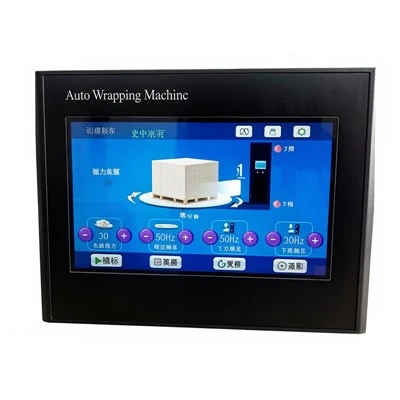
- All-in-One Touch Controller for Wrapper Machine: This controller provides a comprehensive solution for controlling wrapper machines, offering a user-friendly interface and advanced features.
- Photoelectric Light Switch: A photoelectric light switch is used to detect the presence or absence of objects on a conveyor or wrapper machine, enabling precise control and automation.
- Three-in-one Inverter for Stretch Wrapper: This inverter provides a compact and efficient solution for controlling the speed and torque of stretch wrapper motors, improving energy efficiency and performance.
- Sensorless Vector VFD: A sensorless vector VFD offers advanced motor control capabilities without the need for additional sensors, reducing costs and complexity.
- Mobile Wrapping Machine Full Set System: This system provides a complete solution for mobile wrapping machines, including all the necessary components for efficient and reliable operation.
Conclusion
In conclusion, tension sensors can be a valuable addition to conveyor systems, offering numerous benefits such as improved safety, increased efficiency, and reduced maintenance costs. By monitoring and controlling the tension of belts or chains in real-time, operators can ensure optimal performance and prevent potential issues from occurring. When choosing a tension sensor for your conveyor system, it is important to consider several factors, including the type of conveyor system, the load capacity, the operating environment, and the required accuracy. Additionally, there are several other components that are essential for the efficient operation of conveyor systems and wrapper machines, such as touch controllers, photoelectric light switches, inverters, and full set systems.
If you are interested in learning more about tension sensors or other components for conveyor systems and wrapper machines, please feel free to contact us. Our team of experts is available to answer your questions and provide you with the best solutions for your specific needs. We look forward to the opportunity to work with you and help you improve the performance and efficiency of your operations.
References
- ISO 376:2011, Metallic materials - Calibration of force-proving instruments used for the verification of uniaxial testing machines.
- ASTM E74-18, Standard Practice for Calibration of Force-Measuring Instruments for Verifying the Force Indications of Testing Machines.
- O'Connor, T. (2018). Industrial Automation Handbook. McGraw-Hill Education.