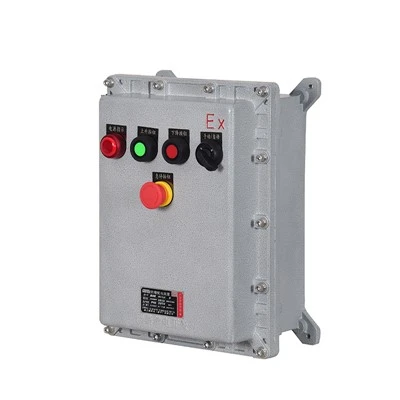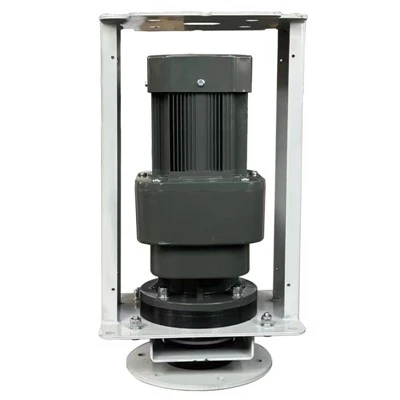

Alright, so you're probably wondering just how accurate the speed control of a Sensorless Vector VFD really is. Well, I'm here to break it down for you, and I should know – I'm a supplier of these amazing pieces of equipment.
First off, let's talk about what a Sensorless Vector VFD actually is. In simple terms, it's a variable frequency drive that controls the speed of an electric motor without the need for additional speed sensors. This technology has been around for a while, but it's constantly evolving to become more efficient and accurate.
The accuracy of speed control in a Sensorless Vector VFD is pretty impressive. You see, these drives use sophisticated algorithms to analyze the motor's current and voltage to estimate the speed and torque. This allows them to adjust the frequency and voltage supplied to the motor in real - time, ensuring that the motor runs at the desired speed.
One of the key factors that affects the accuracy is the quality of the motor itself. High - quality motors with consistent electrical characteristics tend to work better with Sensorless Vector VFDs. The drive can more easily estimate the speed and torque when the motor's behavior is predictable. For example, if a motor has a lot of internal resistance variations or magnetic flux irregularities, it can throw off the drive's speed control accuracy.
Another aspect to consider is the load on the motor. When the load changes, the motor's speed can be affected. But a good Sensorless Vector VFD can quickly detect these load changes and adjust the output to keep the speed stable. For instance, if you're using the VFD in a conveyor belt system and suddenly more weight is added to the belt, the drive will sense the increased load and increase the power to the motor to maintain the set speed.
Now, let's get into some real - world applications. In industrial settings, accurate speed control is crucial. Take the manufacturing of plastic products, for example. During the extrusion process, the speed of the screw that pushes the molten plastic through the die needs to be precisely controlled. A slight variation in speed can lead to defects in the final product, like uneven wall thickness or inconsistent dimensions. A Sensorless Vector VFD can provide the accuracy needed to ensure a high - quality output.
In the case of a pump system, accurate speed control is also essential. Whether it's for water supply or chemical processing, maintaining a consistent flow rate is important. A Sensorless Vector VFD can adjust the pump's speed according to the demand, saving energy and preventing issues like over - pumping or cavitation.
When it comes to comparing with other types of VFDs, the Sensorless Vector VFD is a great option. For example, compared to open - loop VFDs, which have less accurate speed control, a Sensorless Vector VFD can offer much better performance, especially under varying load conditions. And when you look at Closed Loop Vector Control Vfd, which uses additional speed sensors, the Sensorless Vector VFD is more cost - effective while still providing a high level of accuracy in most applications.
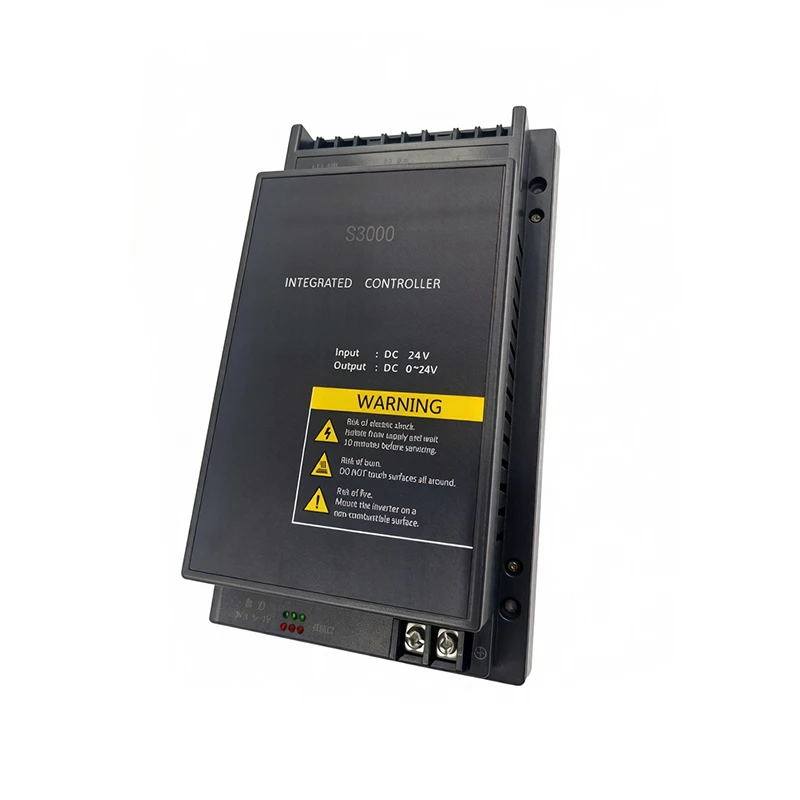
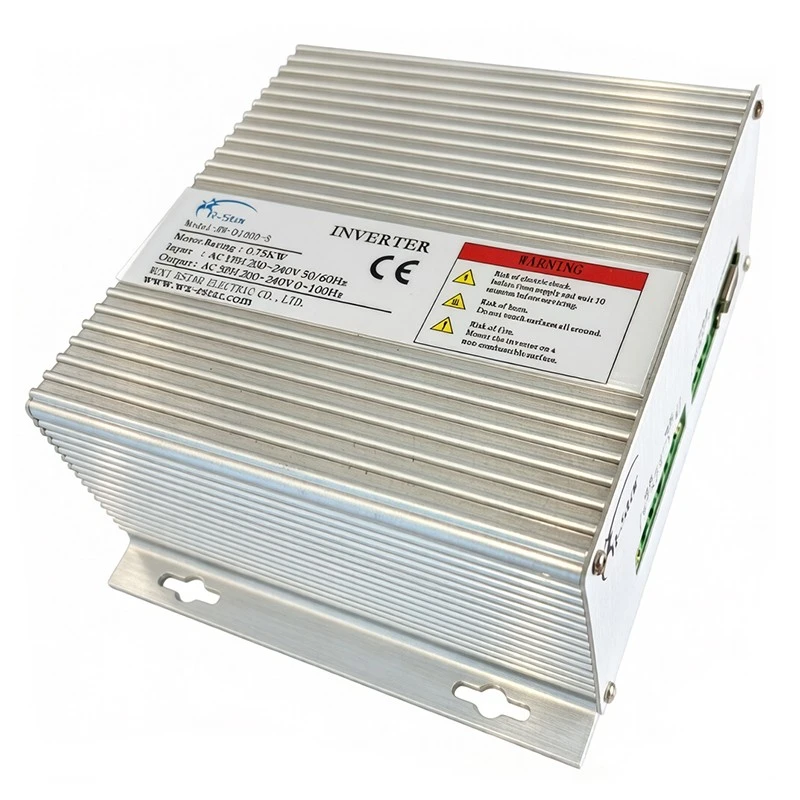
But of course, there are some limitations. In extremely high - precision applications where even the slightest speed variation can cause problems, a closed - loop system with feedback sensors might be a better choice. However, for a large number of general industrial applications, a Sensorless Vector VFD hits the sweet spot between cost and performance.
Now, let's talk about how you can enhance the accuracy of the speed control in your Sensorless Vector VFD. One thing is to make sure the drive is properly calibrated. You need to input the correct motor parameters like rated power, voltage, current, and frequency. This allows the drive to create an accurate model of the motor and make better speed and torque estimations.
Another tip is to keep an eye on the environment. Temperature, humidity, and dust can all affect the performance of the VFD and the motor. For example, high temperatures can cause the motor's electrical resistance to increase, which can impact the drive's speed control accuracy. So, proper ventilation and protection from dust are important.
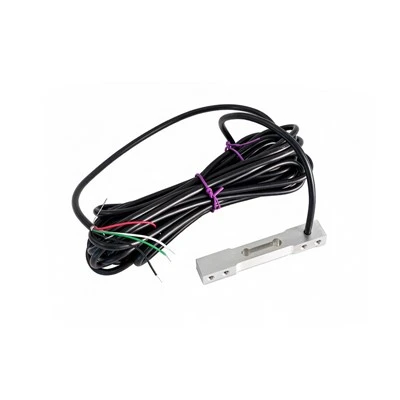
You might also want to consider using additional equipment in combination with the Sensorless Vector VFD. For example, a Tension Sensor can be useful in applications where maintaining a specific tension is required, like in a paper or textile manufacturing process. By integrating the tension sensor data with the VFD's control system, you can achieve even more precise control.
A 3 - in - 1 DC Driver can also be paired with the Sensorless Vector VFD in certain applications. It can add extra functionality and improve the overall control performance, especially in systems where both AC and DC components are involved.
And for applications where detecting the presence of objects is important, a Photoelectric Light Switch can be used. It can provide input to the control system, which can then adjust the motor speed accordingly.
If you're in the market for a high - quality Sensorless Vector VFD, you're in the right place. We've been in the business for a while, and our products have a proven track record of providing accurate speed control. We understand that every application is unique, and we're here to help you find the best solution for your needs. Whether you're running a small workshop or a large industrial plant, our Sensorless Vector VFDs can make a big difference in your operations. We also offer excellent after - sales support, so you can be confident in your purchase.
If you want to learn more about our Sensorless Vector VFD or discuss your specific requirements, don't hesitate to get in touch. We're always happy to have a chat and see how we can help you improve your motor control system.
References:
- General knowledge on variable frequency drives and motor control systems.
- Industry reports on the performance of Sensorless Vector VFDs in different applications.