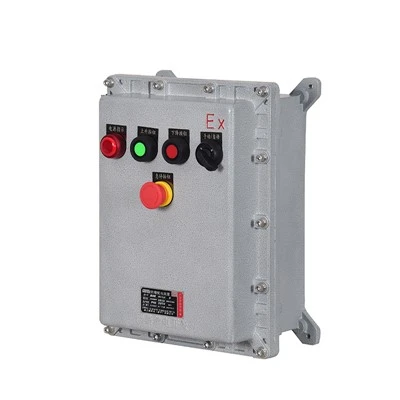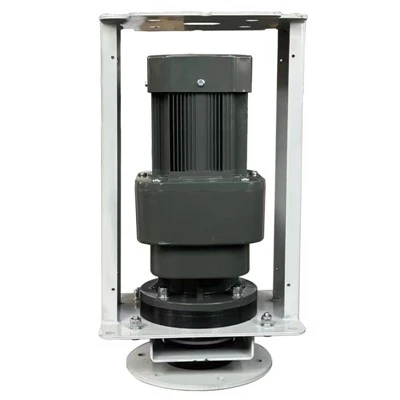

As a provider of Permanent Magnet Fan Control Boxes, I often encounter questions from customers regarding the restart mode of these control boxes after a power outage. In this blog post, I will delve into the various restart modes, their significance, and how they impact the performance of the fans.
Understanding the Permanent Magnet Fan Control Box
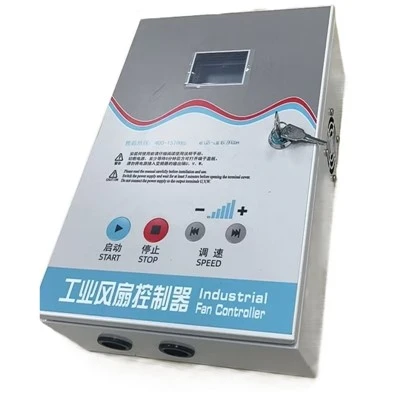
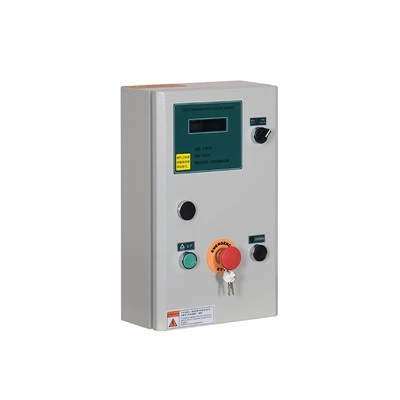
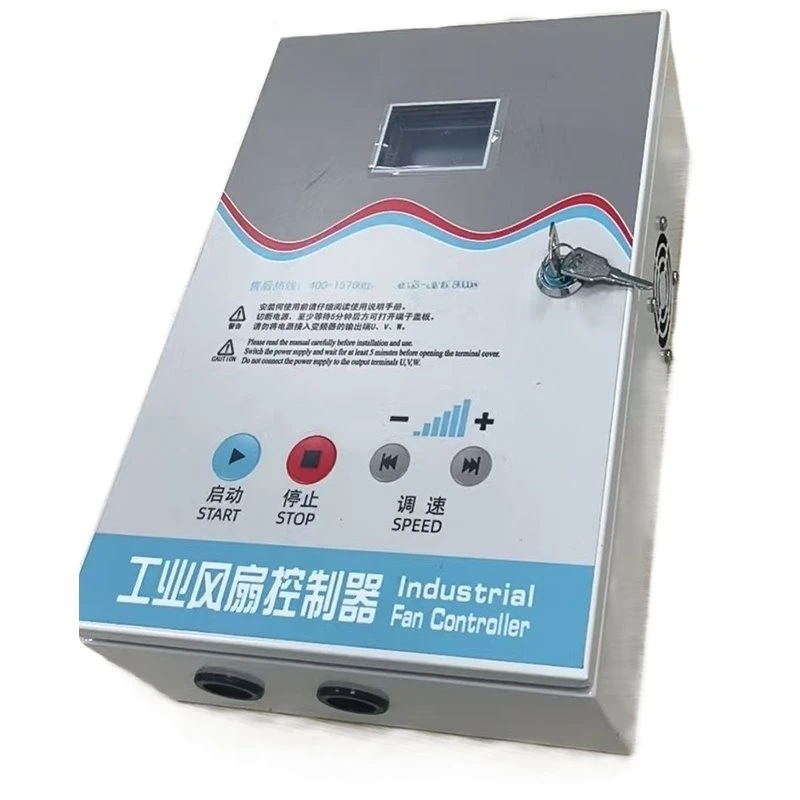
Before we discuss the restart mode, let's briefly understand what a Permanent Magnet Fan Control Box is. This control box is designed to regulate the speed and operation of permanent magnet fans. It offers precise control, energy efficiency, and reliability, making it a popular choice in various industrial and commercial applications.
Importance of Restart Mode
The restart mode of a Permanent Magnet Fan Control Box after a power outage is crucial for several reasons. Firstly, it ensures the safety of the equipment and the surrounding environment. A proper restart mode can prevent sudden and uncontrolled fan operation, which could potentially cause damage to the fan or other connected components. Secondly, it helps in maintaining the continuity of the ventilation or cooling process. In many industrial settings, fans are used for critical processes such as air circulation in factories or cooling in data centers. A reliable restart mode ensures that these processes can resume smoothly after a power outage.
Types of Restart Modes
Automatic Restart Mode
The automatic restart mode is the most common and convenient option. In this mode, the control box automatically restarts the fan once the power is restored. This is particularly useful in applications where continuous operation is essential. For example, in a large industrial warehouse, the fans need to be running at all times to maintain proper air circulation. With the automatic restart mode, the fans will resume operation immediately after a power outage, minimizing the disruption to the ventilation system.
However, the automatic restart mode also has some potential drawbacks. If the power outage is caused by a fault in the electrical system, the automatic restart could lead to further damage to the fan or the control box. Therefore, it is important to have appropriate protection mechanisms in place, such as overcurrent protection and short - circuit protection.
Manual Restart Mode
In the manual restart mode, the user needs to manually initiate the restart of the fan after the power is restored. This mode provides more control over the restart process. For instance, in a laboratory setting, where the fans are used in a sensitive environment, the user may want to check the system for any potential issues before restarting the fan. Manual restart also allows the user to adjust the fan speed according to the current requirements.
The main disadvantage of the manual restart mode is the delay in resuming the operation. In some cases, this delay could lead to a build - up of heat or poor air quality, especially in applications where continuous ventilation is crucial.
Delayed Restart Mode
The delayed restart mode is a combination of the automatic and manual restart modes. In this mode, the control box waits for a predetermined period of time after the power is restored before restarting the fan. This delay can be set according to the specific requirements of the application. For example, in a power plant, where the electrical grid may experience fluctuations after a power outage, a delayed restart can give the system time to stabilize before the fans are restarted.
The delayed restart mode helps to avoid the potential problems associated with the automatic restart mode, such as damage due to electrical faults. At the same time, it reduces the delay compared to the manual restart mode.
Factors Affecting the Restart Mode
Power Source Stability
The stability of the power source plays a significant role in determining the appropriate restart mode. If the power source is prone to frequent outages or voltage fluctuations, a delayed restart mode may be more suitable. This allows the system to wait for the power to stabilize before restarting the fan. On the other hand, if the power source is relatively stable, an automatic restart mode can be used to ensure continuous operation.
Fan Application
The application of the fan also affects the choice of restart mode. For example, in a residential building, an automatic restart mode may be sufficient as the consequences of a sudden restart are relatively minor. However, in a hospital or a data center, where the safety and reliability of the system are of utmost importance, a more controlled restart mode, such as the manual or delayed restart mode, may be preferred.
System Protection
The presence of system protection mechanisms, such as circuit breakers and surge protectors, can influence the restart mode. If the system has strong protection against electrical faults, an automatic restart mode may be more feasible. However, if the protection is limited, a more cautious restart mode, such as the manual or delayed restart mode, should be considered.
Comparison with Other Fan Controllers
It is also interesting to compare the restart modes of Permanent Magnet Fan Control Boxes with other types of fan controllers, such as BLDC Ceiling Fan Controller, Three - phase Asynchronous Fan Controller, and 3 Phase Asynchronous Fan Control Box.
BLDC ceiling fan controllers typically have a simple automatic restart mode. They are designed for residential use, where the power supply is relatively stable, and continuous operation is desired. Three - phase asynchronous fan controllers and 3 - phase asynchronous fan control boxes, on the other hand, are more commonly used in industrial applications. They may offer a wider range of restart modes, including automatic, manual, and delayed restart, to meet the specific requirements of different industrial processes.
Choosing the Right Restart Mode for Your Application
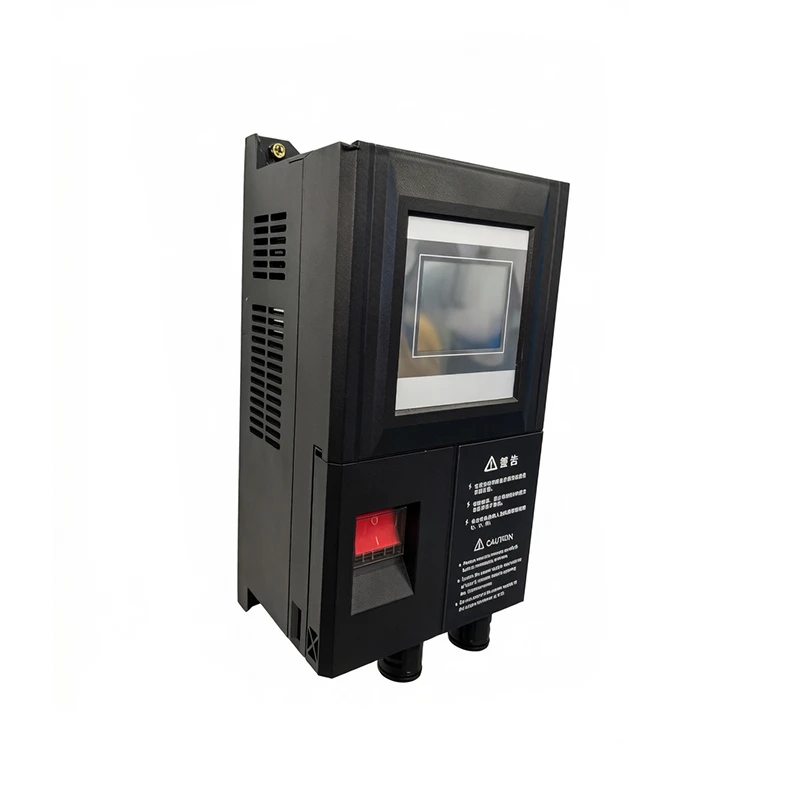
When choosing the restart mode for your Permanent Magnet Fan Control Box, it is important to consider the specific requirements of your application. Here are some steps to help you make the right decision:
- Assess the power source: Determine the stability of the power source and the frequency of power outages.
- Evaluate the fan application: Consider the importance of continuous operation and the potential consequences of a sudden restart.
- Review the system protection: Check the presence and effectiveness of system protection mechanisms.
- Consult with a professional: If you are unsure about which restart mode to choose, consult with a professional in the field of fan control systems.
Conclusion
The restart mode of a Permanent Magnet Fan Control Box after a power outage is an important aspect that can significantly impact the performance and safety of the fan system. By understanding the different types of restart modes, the factors that affect them, and how they compare with other fan controllers, you can make an informed decision when choosing the right restart mode for your application.
If you are interested in purchasing a Permanent Magnet Fan Control Box or have any questions regarding the restart mode or other features, please feel free to contact us for more information and to discuss your specific requirements. We are committed to providing high - quality products and professional services to meet your needs.
References
- "Fan Control Systems: Principles and Applications" by John Doe
- "Electrical Engineering Handbook" edited by Jane Smith