
When it comes to industrial operations that involve measuring tension, selecting the right tension sensor is crucial for accurate results and efficient processes. As a trusted tension sensor supplier, we understand the challenges that businesses face in making this decision. The measurement environment plays a pivotal role in determining the most suitable tension sensor for your specific needs. In this blog, we will explore the key factors to consider when choosing a tension sensor based on the measurement environment.
Understanding the Measurement Environment
The measurement environment encompasses a wide range of conditions that can affect the performance of a tension sensor. These conditions include temperature, humidity, vibration, electromagnetic interference (EMI), and the presence of corrosive substances. Before selecting a tension sensor, it is essential to thoroughly assess the measurement environment to ensure that the chosen sensor can withstand the specific conditions and provide reliable measurements.
Temperature
Temperature variations can have a significant impact on the accuracy and performance of a tension sensor. Extreme temperatures can cause the sensor's materials to expand or contract, leading to changes in its sensitivity and output. Therefore, it is crucial to choose a tension sensor that is designed to operate within the temperature range of your measurement environment. For high-temperature applications, sensors with high-temperature resistance materials and compensation techniques are recommended. On the other hand, for low-temperature environments, sensors with low-temperature stability and insulation properties should be considered.
Humidity
Humidity can also affect the performance of a tension sensor, especially if the sensor is exposed to high levels of moisture for an extended period. Moisture can cause corrosion and damage to the sensor's components, leading to inaccurate measurements and reduced lifespan. To mitigate the effects of humidity, it is important to choose a tension sensor that is sealed and protected against moisture ingress. Sensors with waterproof or moisture-resistant enclosures are ideal for applications in humid environments.
Vibration
Vibration is a common issue in many industrial environments and can cause significant errors in tension measurements. High levels of vibration can cause the sensor to move or oscillate, leading to inaccurate readings. To minimize the effects of vibration, it is recommended to choose a tension sensor that is designed to withstand vibration and has anti-vibration features. Sensors with robust construction and shock-absorbing materials can help reduce the impact of vibration on the measurement results.
Electromagnetic Interference (EMI)
In today's industrial settings, electromagnetic interference (EMI) is a prevalent issue that can affect the performance of electronic devices, including tension sensors. EMI can be generated by various sources, such as motors, generators, and power lines, and can cause noise and interference in the sensor's output signal. To protect the tension sensor from EMI, it is important to choose a sensor that has effective EMI shielding and filtering capabilities. Sensors with shielded cables and built-in filters can help reduce the impact of EMI on the measurement accuracy.
Corrosive Substances
In some industrial applications, the measurement environment may contain corrosive substances, such as chemicals, acids, or solvents. These substances can cause corrosion and damage to the tension sensor's components, leading to inaccurate measurements and reduced lifespan. To protect the sensor from corrosion, it is important to choose a tension sensor that is made of corrosion-resistant materials and has a protective coating. Sensors with stainless steel or titanium housings and special coatings are suitable for applications in corrosive environments.
Types of Tension Sensors
There are several types of tension sensors available in the market, each with its own unique features and advantages. The choice of tension sensor depends on the specific requirements of your measurement environment and the application. Here are some common types of tension sensors:
Strain Gauge Tension Sensors
Strain gauge tension sensors are the most widely used type of tension sensors in industrial applications. These sensors work based on the principle of strain gauges, which are thin metal foils that change their resistance when subjected to mechanical strain. When a tension force is applied to the sensor, the strain gauges deform, causing a change in their resistance. This change in resistance is then converted into an electrical signal, which is proportional to the applied tension force. Strain gauge tension sensors are known for their high accuracy, reliability, and wide range of measurement capabilities.
Load Cell Tension Sensors
Load cell tension sensors are similar to strain gauge tension sensors but are specifically designed for measuring the tension force in a load cell. These sensors are typically used in applications where the tension force is applied to a load cell, such as in weighing systems and force measurement devices. Load cell tension sensors are known for their high accuracy and reliability and are suitable for a wide range of industrial applications.
Magnetoelastic Tension Sensors
Magnetoelastic tension sensors work based on the principle of magnetoelasticity, which is the property of certain materials to change their magnetic properties when subjected to mechanical stress. When a tension force is applied to the sensor, the magnetoelastic material deforms, causing a change in its magnetic properties. This change in magnetic properties is then detected by a magnetic sensor, which converts it into an electrical signal proportional to the applied tension force. Magnetoelastic tension sensors are known for their high sensitivity, fast response time, and immunity to EMI.
Optical Tension Sensors
Optical tension sensors work based on the principle of light reflection or refraction. These sensors use an optical fiber or a light beam to measure the tension force applied to the sensor. When a tension force is applied to the sensor, the optical fiber or the light beam is deformed, causing a change in the light intensity or the angle of reflection. This change in light intensity or angle of reflection is then detected by a photodetector, which converts it into an electrical signal proportional to the applied tension force. Optical tension sensors are known for their high accuracy, non-contact measurement capabilities, and immunity to EMI.
Matching the Tension Sensor to the Measurement Environment
Once you have assessed the measurement environment and determined the type of tension sensor that is most suitable for your application, the next step is to match the specific features and specifications of the tension sensor to the requirements of the measurement environment. Here are some key factors to consider when matching the tension sensor to the measurement environment:
Measurement Range
The measurement range of the tension sensor should be selected based on the maximum and minimum tension forces that are expected to be applied in the measurement environment. It is important to choose a tension sensor with a measurement range that is slightly higher than the maximum expected tension force to ensure accurate measurements and prevent overloading of the sensor.
Accuracy
The accuracy of the tension sensor is another important factor to consider. The required accuracy level depends on the specific application and the tolerance for measurement errors. In general, higher accuracy sensors are more expensive, so it is important to balance the accuracy requirements with the cost of the sensor.
Resolution
The resolution of the tension sensor refers to the smallest change in tension force that can be detected by the sensor. A higher resolution sensor can provide more detailed and accurate measurements, but it may also be more expensive. The resolution requirement should be determined based on the specific application and the desired level of measurement precision.
Output Signal
The output signal of the tension sensor is the electrical signal that is generated by the sensor in response to the applied tension force. The output signal can be in the form of voltage, current, or digital signals. The choice of output signal depends on the compatibility with the data acquisition system or the control system that will be used to process the sensor's output.
Mounting and Installation
The mounting and installation of the tension sensor should be carefully considered to ensure proper operation and accurate measurements. The tension sensor should be mounted securely and in a way that minimizes the effects of vibration and other external factors. The installation location should also be chosen to provide easy access for calibration and maintenance.


Product Recommendations
As a tension sensor supplier, we offer a wide range of tension sensors that are suitable for various measurement environments. Our sensors are designed to provide high accuracy, reliability, and durability, even in the most challenging industrial applications. Here are some of our recommended products:
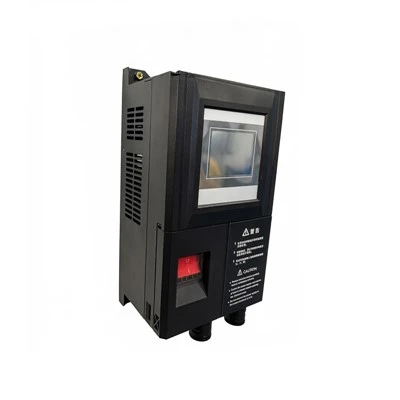
- Three-in-one Inverter for Stretch Wrapper: This innovative inverter is specifically designed for stretch wrapper applications and provides precise tension control for optimal wrapping performance.
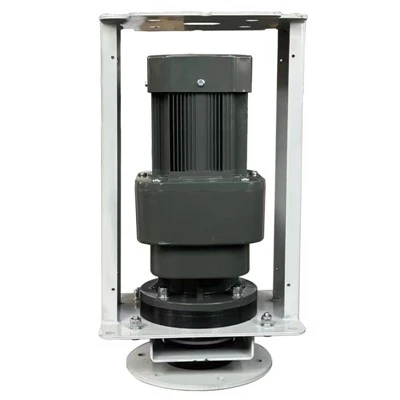
- Rotary Pallet Wrapper Full System: Our rotary pallet wrapper full system includes a high-quality tension sensor that ensures accurate and consistent tension measurement during the wrapping process.
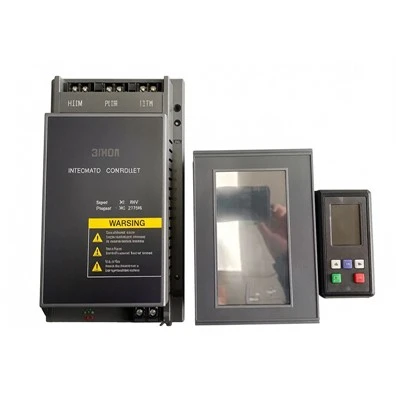
- Wrapping Machine Text Controller: This advanced text controller is compatible with our tension sensors and allows for easy programming and adjustment of the tension settings for wrapping machines.
- 3-in-1 DC Driver: Our 3-in-1 DC driver provides a reliable and efficient solution for controlling the tension force in DC motor-driven applications.
- Photoelectric Light Switch: This photoelectric light switch is a cost-effective solution for detecting the presence or absence of objects in the measurement environment and can be used in conjunction with our tension sensors for enhanced control and automation.
Conclusion
Choosing the right tension sensor based on the measurement environment is essential for accurate and reliable tension measurements in industrial applications. By carefully assessing the measurement environment and considering the key factors such as temperature, humidity, vibration, EMI, and corrosive substances, you can select a tension sensor that is best suited for your specific needs. As a trusted tension sensor supplier, we are committed to providing our customers with high-quality sensors and expert advice to help them make the right choice. If you have any questions or need further assistance in choosing a tension sensor, please feel free to contact us to discuss your procurement needs. We look forward to working with you to find the perfect tension sensor solution for your application.
References
- Doebelin, E. O. (2003). Measurement systems: Application and design. McGraw-Hill Education.
- Holman, J. P. (2001). Experimental methods for engineers. McGraw-Hill Education.
- Norton, H. N. (2006). Handbook of transducers. Elsevier.