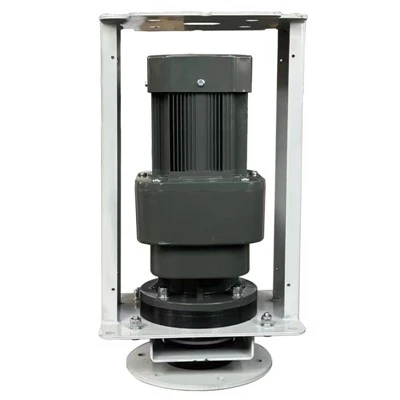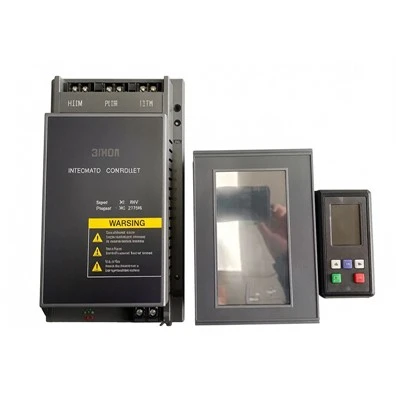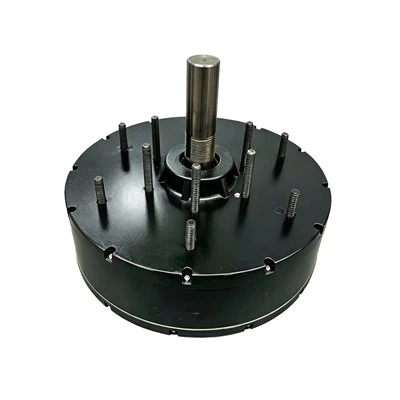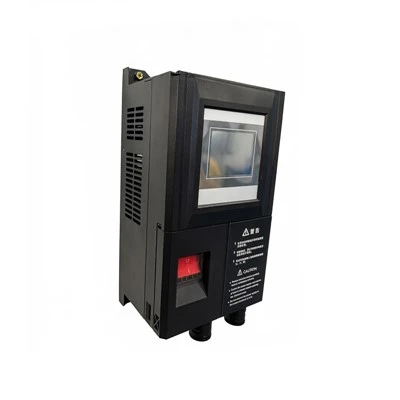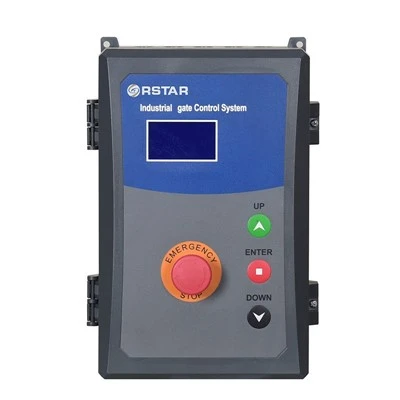

In the dynamic landscape of industrial and commercial ventilation systems, the 3 Phase Asynchronous Fan Control Box stands as a pivotal component. As a leading supplier of these control boxes, I've witnessed firsthand the growing demand for remote control capabilities in various applications. This blog aims to delve into the technical feasibility, benefits, and practical considerations of remotely controlling a 3 Phase Asynchronous Fan Control Box.
Technical Feasibility
A 3 Phase Asynchronous Fan Control Box is designed to regulate the operation of three - phase asynchronous fans. These fans are widely used in industrial settings due to their robustness, reliability, and high efficiency. The core of a 3 phase asynchronous motor relies on the principle of electromagnetic induction to generate torque and rotation.

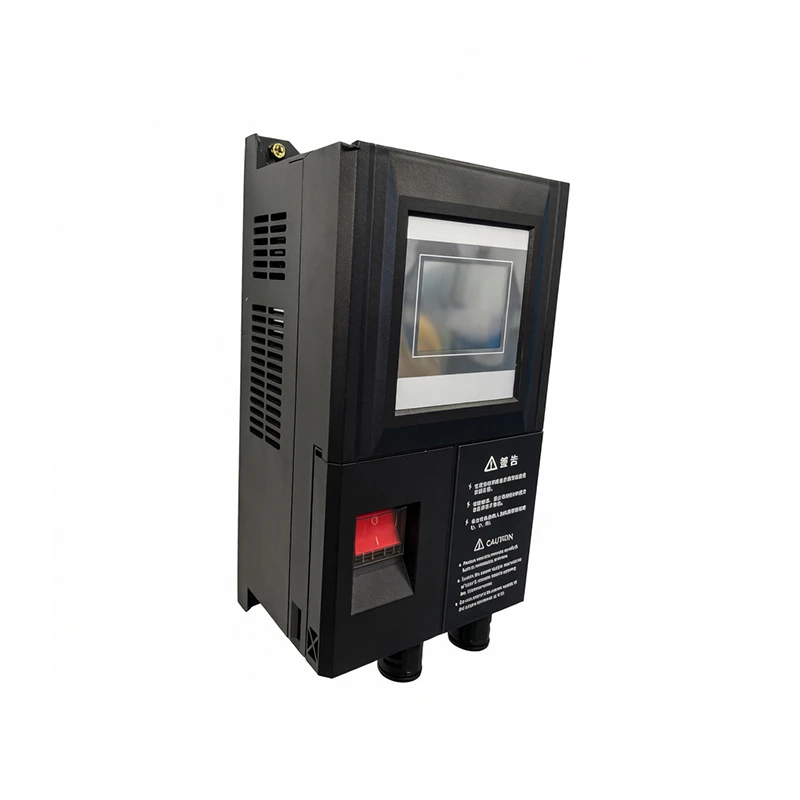
The first question that arises is whether it is technically possible to control such a system remotely. The answer is a resounding yes. With the advent of modern communication technologies, a variety of methods can be employed to enable remote control.
One of the most common approaches is through the use of industrial wireless communication protocols such as Wi - Fi, Bluetooth, or ZigBee. These protocols allow for the transmission of control signals from a remote device, such as a smartphone, tablet, or a control panel located in a different part of the facility. For instance, a Wi - Fi enabled 3 Phase Asynchronous Fan Control Box can be connected to a local network. Once connected, an authorized user can access the control box through a dedicated mobile application or a web - based interface.
Another option is the use of cellular networks. In large industrial complexes or remote locations where Wi - Fi coverage may be limited, cellular IoT (Internet of Things) modules can be integrated into the control box. These modules allow the control box to communicate with a central server over the cellular network, enabling remote monitoring and control from anywhere in the world as long as there is a cellular signal.
Wired communication methods, such as Ethernet or Modbus, are also viable options. Ethernet provides a high - speed and reliable connection for large - scale industrial control systems. Modbus, on the other hand, is a widely used protocol for communicating between industrial devices, allowing the 3 Phase Asynchronous Fan Control Box to interface with a Programmable Logic Controller (PLC) or a Supervisory Control and Data Acquisition (SCADA) system.
Benefits of Remote Control
Remote control of a 3 Phase Asynchronous Fan Control Box offers numerous benefits in both industrial and commercial applications.
Enhanced Convenience: One of the most obvious advantages is the ability to control the fan operation from a distance. For example, in a large warehouse, an operator can adjust the fan speed, turn the fan on or off, without having to physically be at the location of the control box. This is particularly useful in situations where the control box is installed in a hard - to - reach or hazardous area.
Energy Efficiency: Remote control enables real - time adjustment of fan speed based on the actual environmental conditions. By reducing the fan speed when the demand for ventilation is low, significant energy savings can be achieved. This not only helps to reduce operational costs but also contributes to environmental sustainability.
Improved Monitoring and Maintenance: With remote control, it becomes easier to monitor the performance of the fan and the control box. Operators can receive real - time alerts in case of any abnormalities, such as overheating or motor malfunctions. This allows for timely maintenance and reduces the risk of unexpected breakdowns, minimizing downtime and improving overall productivity.
Flexibility in System Management: In a multi - fan installation, remote control provides the flexibility to manage different fans independently. For instance, in a large manufacturing plant with multiple production areas, each area can have its own set of fans that can be controlled remotely according to the specific ventilation requirements of that area.
Practical Considerations
While the benefits of remote control are significant, there are several practical considerations that need to be taken into account when implementing a remote - controlled 3 Phase Asynchronous Fan Control Box.
Security: Security is of utmost importance when it comes to remote control systems. As the control box is connected to a network, it is vulnerable to cyber - attacks. To mitigate this risk, strong encryption methods should be employed to protect the communication between the control box and the remote device. Additionally, user authentication mechanisms, such as passwords or biometric identification, should be implemented to ensure that only authorized personnel can access the control system.
Compatibility: The 3 Phase Asynchronous Fan Control Box needs to be compatible with the chosen communication protocol and the remote control device. For example, if a Wi - Fi enabled control box is used, it should be compatible with the Wi - Fi network in the facility. Similarly, if a mobile application is used for remote control, it should be compatible with the operating system of the user's device.
Reliability: The reliability of the communication network is crucial for the proper operation of the remote control system. In an industrial environment, there may be interference from other electronic devices or electromagnetic fields. Therefore, redundant communication channels or signal boosters may be required to ensure a stable and reliable connection.
Scalability: In large - scale industrial applications, the remote control system should be scalable to accommodate future expansion. This means that the system should be able to support additional control boxes and fans without significant upgrades to the infrastructure.
Related Products
In addition to the 3 Phase Asynchronous Fan Control Box, we also offer a range of related products that can enhance the performance and functionality of your ventilation system. For example, our BLDC Ceiling Fan Controller is designed for energy - efficient control of BLDC ceiling fans. Our Permanent Magnet Fan Control Box provides advanced control features for permanent magnet fans. And our Three - phase Asynchronous Fan Controller offers precise control of three - phase asynchronous fans.
Conclusion
In conclusion, a 3 Phase Asynchronous Fan Control Box can indeed be controlled remotely. The technical advancements in communication technologies have made it not only possible but also practical to implement remote control solutions in various applications. The benefits of remote control, such as enhanced convenience, energy efficiency, and improved monitoring, make it an attractive option for industrial and commercial users. However, it is important to consider the practical aspects, such as security, compatibility, reliability, and scalability, when implementing a remote - controlled system.
If you are interested in our 3 Phase Asynchronous Fan Control Box or any of our other related products, we invite you to contact us for further information and to discuss your specific requirements. Our team of experts is ready to assist you in finding the best solution for your ventilation needs.
References
- "Industrial Communication Technologies Handbook" by Roddy Martin
- "Electrical Machines and Drives: Fundamentals, Types, and Applications" by Simon M. Dunn
- "Internet of Things: Principles and Paradigms" by Sajal K. Das