
What are the advantages of using a Sensorless Vector VFD in a crane?
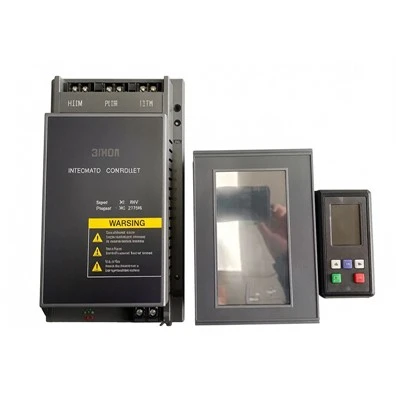
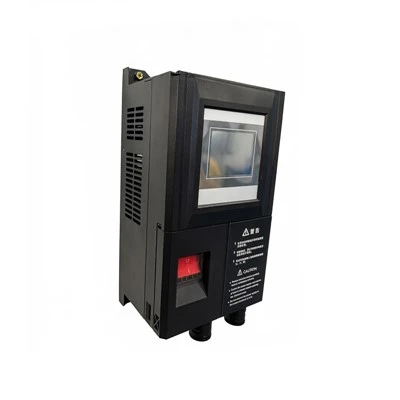
In the vast realm of industrial machinery, cranes stand as indispensable workhorses, executing heavy - duty lifting and transporting tasks. The efficiency, safety, and precision of a crane's operation are of utmost importance. This is where Sensorless Vector Variable Frequency Drives (VFDs) come into play. As a supplier of Sensorless Vector VFDs, I am well - versed in the numerous advantages they offer when used in cranes.
1. Enhanced Energy Efficiency
One of the most significant advantages of using a Sensorless Vector VFD in a crane is energy efficiency. Traditional crane motor control systems often operate at a fixed speed, consuming a large amount of energy even when the load is light or when the crane is idling. A Sensorless Vector VFD, however, can adjust the motor speed according to the actual load requirements.


For example, when a crane is lifting a light load, the VFD can reduce the motor speed, thereby consuming less energy. This not only helps in reducing the overall energy consumption of the crane but also leads to substantial cost savings in the long run. According to industry research, the use of VFDs in cranes can result in energy savings of up to 30% compared to traditional control systems. This energy - saving feature not only benefits the end - user's bottom line but also contributes to a more sustainable and eco - friendly operation.
2. Precise Speed and Torque Control
Sensorless Vector VFDs provide precise speed and torque control, which is crucial for crane operations. In a crane, different lifting and moving tasks require different levels of speed and torque. With a Sensorless Vector VFD, the crane operator can accurately control the speed and torque output of the motor, ensuring smooth and stable operation.
This precise control is particularly important when handling delicate or valuable loads. For instance, when lifting a fragile piece of equipment, the crane needs to move slowly and steadily to avoid damage. The VFD can adjust the motor speed and torque in real - time, allowing the crane to perform such tasks with high precision. Moreover, the ability to control torque precisely helps in preventing over - loading of the crane, which enhances safety and reduces the risk of mechanical failures.
3. Improved Starting and Braking Performance
The starting and braking processes are critical phases in crane operation. A Sensorless Vector VFD offers excellent starting and braking performance. When starting the crane, the VFD can gradually increase the motor speed, reducing the inrush current. This not only protects the motor and the electrical system from damage but also minimizes the mechanical stress on the crane's components, such as gears and shafts.
During braking, the VFD can provide smooth and controlled deceleration. It can convert the kinetic energy of the moving crane into electrical energy and feed it back to the power supply, which is known as regenerative braking. This not only saves energy but also extends the lifespan of the braking system. In contrast, traditional braking systems in cranes often rely on mechanical friction, which can lead to wear and tear over time.
4. Reduced Maintenance Requirements
The use of a Sensorless Vector VFD can significantly reduce the maintenance requirements of a crane. As mentioned earlier, the precise control of speed and torque, as well as the smooth starting and braking, reduce the mechanical stress on the crane's components. This results in less wear and tear on parts such as motors, gears, and brakes, which in turn reduces the frequency of maintenance and repair work.
Moreover, Sensorless Vector VFDs are equipped with self - diagnostic features. They can continuously monitor the operating parameters of the motor and the drive system, detecting any potential faults or abnormalities in advance. Early detection of problems allows for timely maintenance, preventing major breakdowns and minimizing downtime. This means that the crane can operate more reliably and efficiently, with less time spent on maintenance and repair.
5. Compatibility and Flexibility
Sensorless Vector VFDs are highly compatible with a wide range of crane motors and control systems. They can be easily integrated into existing crane setups, whether it is a new installation or an upgrade of an old system. This compatibility makes it convenient for crane operators and owners to adopt the VFD technology without having to make major modifications to their equipment.
In addition, VFDs offer a high degree of flexibility in terms of operation. They can be programmed to meet different application requirements, such as different lifting speeds, load capacities, and operating conditions. For example, a crane used in a port may have different operating requirements compared to a crane used in a factory. The VFD can be customized to suit these specific needs, providing a tailored solution for each application.
6. Cost - Effectiveness
When considering the overall cost of ownership, a Sensorless Vector VFD is a cost - effective solution for cranes. Although the initial investment in a VFD may be higher than that of a traditional motor control system, the long - term savings in energy consumption, maintenance, and repair costs far outweigh the upfront cost.
The energy savings, which can be substantial over time, directly reduce the operating cost of the crane. The reduced maintenance requirements also mean lower maintenance costs and less downtime, which translates into increased productivity and revenue. In addition, the longer lifespan of the crane's components due to the reduced mechanical stress further enhances the cost - effectiveness of using a VFD.
Related Products and Technologies
In addition to Sensorless Vector VFDs, there are several related products and technologies that can enhance the performance of cranes. For example, the Closed Loop Vector Control Vfd provides even more precise control by using feedback from sensors to adjust the motor's speed and torque. The Photoelectric Light Switch can be used for detecting the presence or absence of objects, which is useful for safety and automation in crane operations. The Wrapping Machine Remote Controller allows for convenient remote operation of the crane, improving the operator's safety and efficiency. The Tension Sensor can measure the tension in the crane's cables, ensuring safe and proper lifting. And the 3 - in - 1 DC Driver can provide reliable power and control for DC motors in the crane.
Conclusion
In conclusion, the advantages of using a Sensorless Vector VFD in a crane are numerous. From enhanced energy efficiency and precise control to reduced maintenance requirements and cost - effectiveness, the VFD technology offers significant benefits for crane operators and owners. If you are looking to improve the performance, safety, and efficiency of your crane, we encourage you to consider using our Sensorless Vector VFDs. We are committed to providing high - quality products and excellent customer service. Contact us for procurement and discuss how our VFDs can meet your specific needs and requirements.
References
- Some industry report on energy efficiency in crane operations from a well - known research institution.
- Technical whitepapers on Sensorless Vector VFD technology from leading manufacturers.
- Engineering textbooks on crane design and motor control systems.