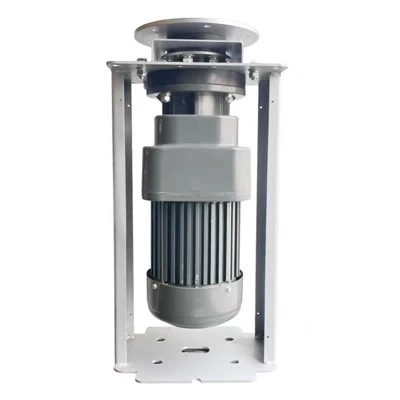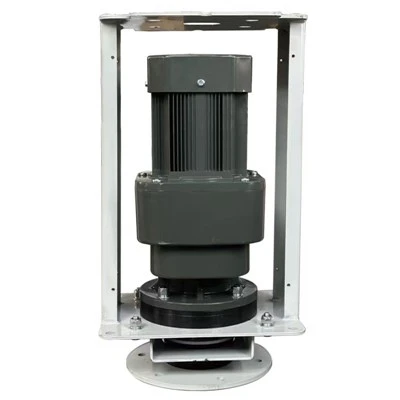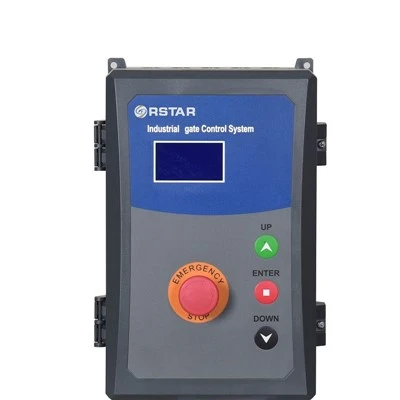

Hey there! As a supplier of PM Direct Drive Motors, I've seen firsthand how crucial it is to have a motor with excellent dynamic response. In this blog, I'll share some tips and tricks on how to improve the dynamic response of a PM Direct Drive Motor.
Understanding the Basics
Before we dive into the ways to improve dynamic response, let's first understand what it means. Dynamic response refers to how quickly a motor can adjust its speed and torque in response to changes in the load or input signal. A motor with good dynamic response can quickly adapt to sudden changes, which is essential in many applications where precision and efficiency are key.
Factors Affecting Dynamic Response
Several factors can affect the dynamic response of a PM Direct Drive Motor. Here are some of the most important ones:
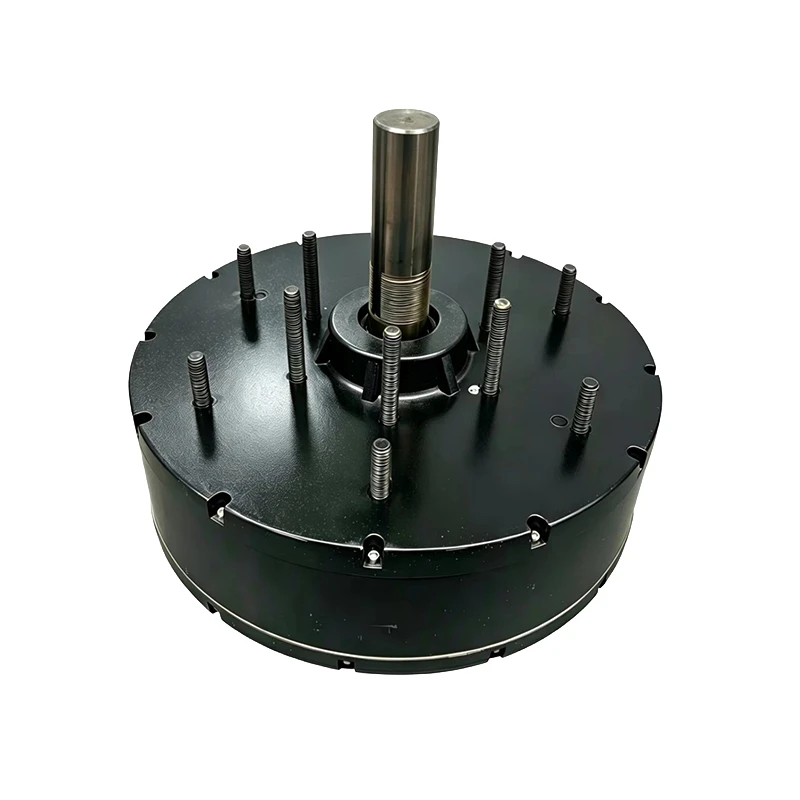
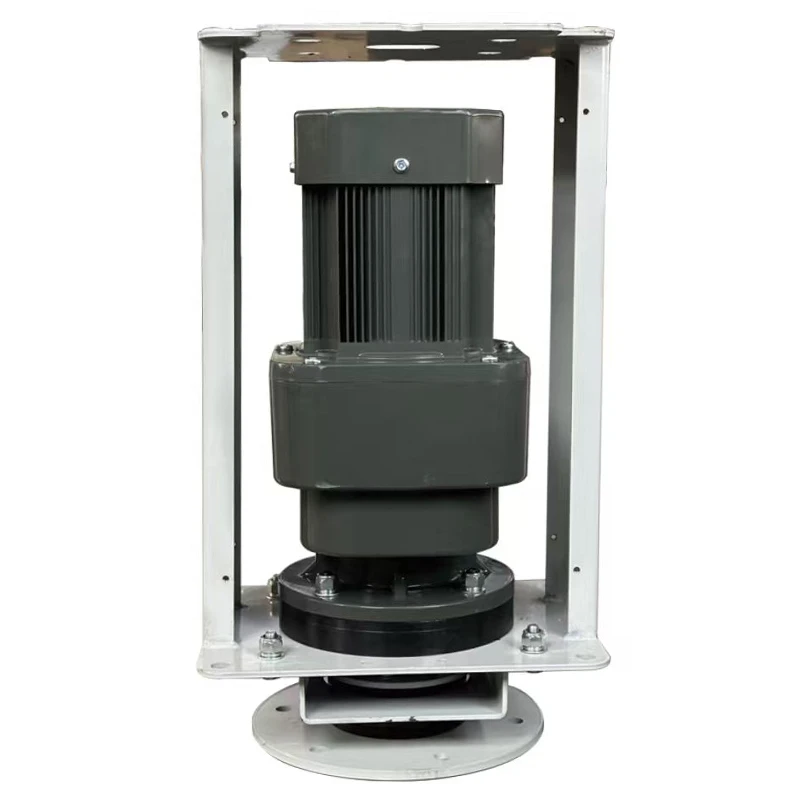
- Inertia: The inertia of the motor and the load it's driving can have a significant impact on the dynamic response. A higher inertia system will require more torque to accelerate and decelerate, which can slow down the response time.
- Stiffness: The stiffness of the motor and the mechanical system it's connected to can also affect the dynamic response. A stiffer system will transmit the torque more efficiently, resulting in a faster response time.
- Control Algorithm: The control algorithm used to regulate the motor's speed and torque can play a crucial role in the dynamic response. A well-designed control algorithm can compensate for any delays or disturbances in the system, resulting in a more stable and responsive motor.
Tips to Improve Dynamic Response
Now that we understand the factors that affect dynamic response, let's look at some tips to improve it.
1. Reduce Inertia
One of the most effective ways to improve the dynamic response of a PM Direct Drive Motor is to reduce the inertia of the system. This can be achieved by using lighter materials for the motor and the load, or by reducing the size of the system. For example, if you're using a PM Direct Drive Motor in a robotics application, you can use lightweight carbon fiber components for the robot's arms and joints to reduce the overall inertia.
2. Increase Stiffness
Increasing the stiffness of the motor and the mechanical system can also improve the dynamic response. This can be done by using stronger materials, adding reinforcement to the system, or using a more rigid coupling between the motor and the load. For instance, if you're using a Permanent Magnet Dc Gear Motor in a conveyor system, you can use a stronger frame and a more rigid coupling to ensure that the torque is transmitted efficiently.
3. Optimize the Control Algorithm
The control algorithm is the brain of the motor control system, and optimizing it can significantly improve the dynamic response. There are several types of control algorithms available, such as proportional-integral-derivative (PID) control, field-oriented control (FOC), and direct torque control (DTC). Each algorithm has its own advantages and disadvantages, and the choice of algorithm depends on the specific application requirements. For example, FOC is a popular choice for high-performance applications where precise control of the motor's torque and speed is required.
4. Use High-Quality Components
Using high-quality components can also improve the dynamic response of the motor. This includes using high-quality magnets, bearings, and electrical insulation materials. High-quality components can reduce the losses in the motor, improve the efficiency, and increase the reliability. For example, if you're using a 3 Phase Induction Motor with Gearbox in a industrial application, you can use high-quality bearings to reduce the friction and improve the overall performance.
5. Regular Maintenance
Regular maintenance is essential to keep the motor in good working condition and to ensure that the dynamic response remains optimal. This includes checking the motor's temperature, lubricating the bearings, and inspecting the electrical connections. Regular maintenance can help to identify and fix any potential problems before they become serious, which can prevent downtime and reduce the cost of repairs.
Conclusion
Improving the dynamic response of a PM Direct Drive Motor is essential for many applications where precision and efficiency are key. By reducing the inertia, increasing the stiffness, optimizing the control algorithm, using high-quality components, and performing regular maintenance, you can significantly improve the dynamic response of your motor. If you're looking for a reliable supplier of PM Direct Drive Motors, I'd be happy to chat with you. Feel free to reach out if you have any questions or if you're interested in learning more about our products. Let's work together to find the best solution for your application!
References
- Johnson, M. (2018). Motor Control Fundamentals. New York: McGraw-Hill.
- Smith, A. (2019). Advanced Motor Design and Applications. London: Elsevier.
- Brown, C. (2020). Power Electronics for Motor Drives. Berlin: Springer.