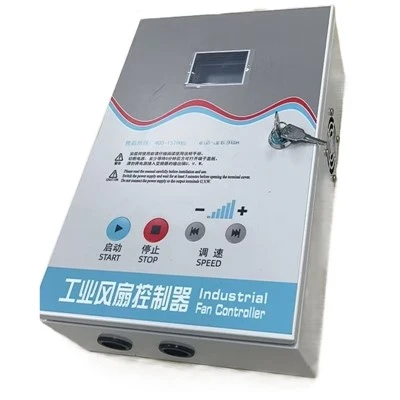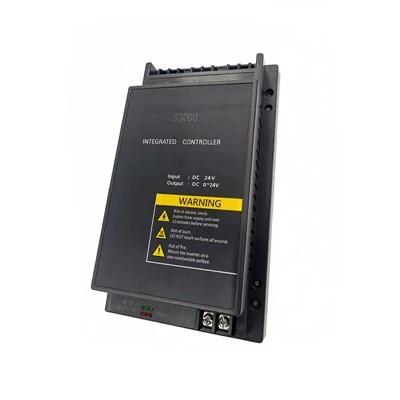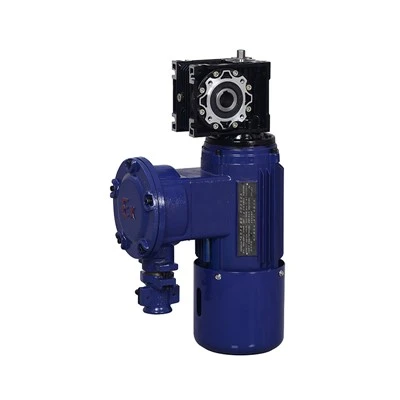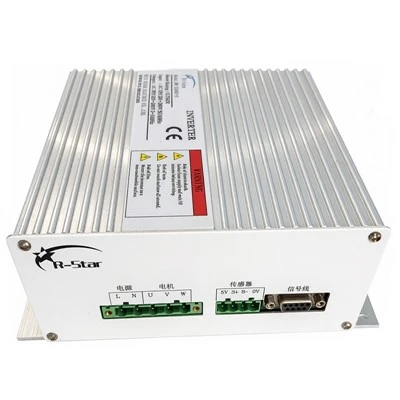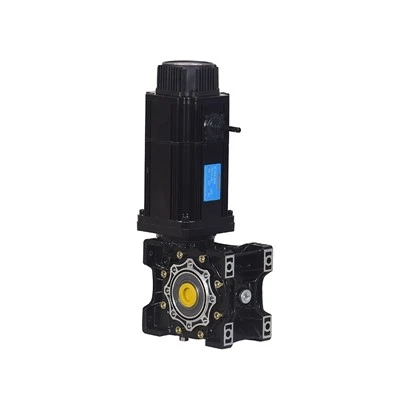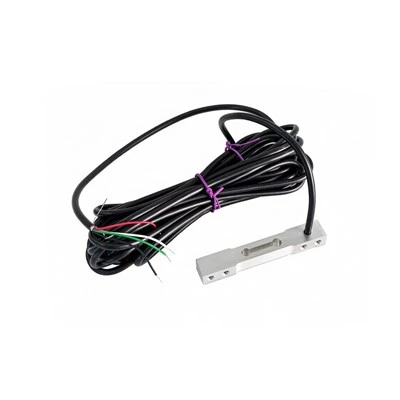

Electromagnetic compatibility (EMC) is a crucial aspect in the design and operation of electrical and electronic equipment, including the 3 Phase Asynchronous Fan Control Box. As a supplier of this essential industrial component, understanding and ensuring its EMC characteristics is not only a technical necessity but also a commitment to providing high - quality, reliable products to our customers.
1. Understanding Electromagnetic Compatibility
EMC refers to the ability of an electrical device to function properly in its electromagnetic environment without causing unacceptable electromagnetic interference (EMI) to other devices in the same environment. In the context of a 3 Phase Asynchronous Fan Control Box, this means that the control box should be able to operate stably, control the fan effectively, and at the same time, not generate excessive electromagnetic noise that could disrupt the normal operation of other nearby electronic equipment, or be vulnerable to external electromagnetic interference itself.
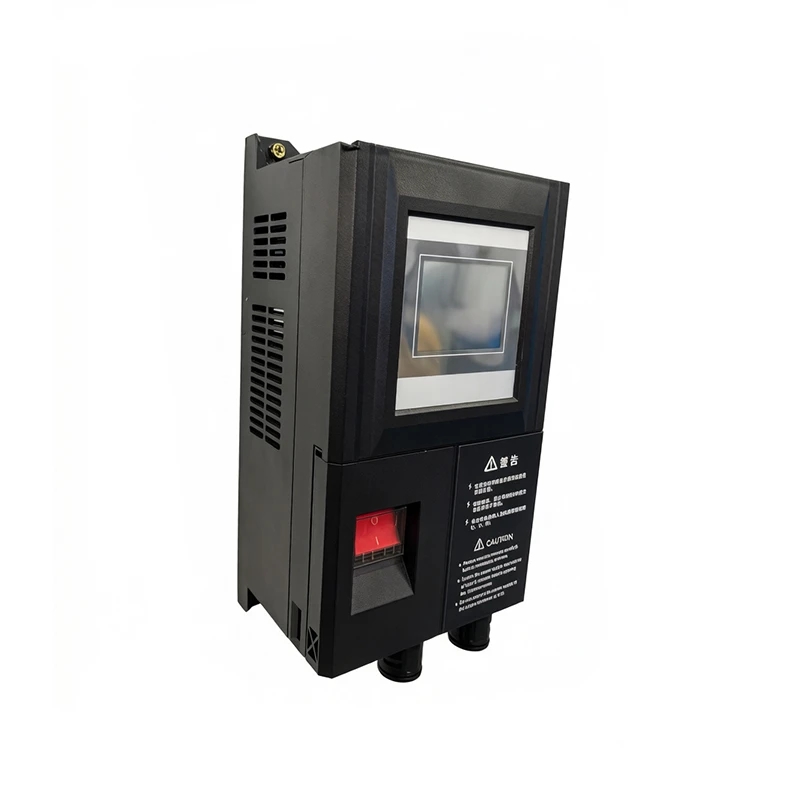
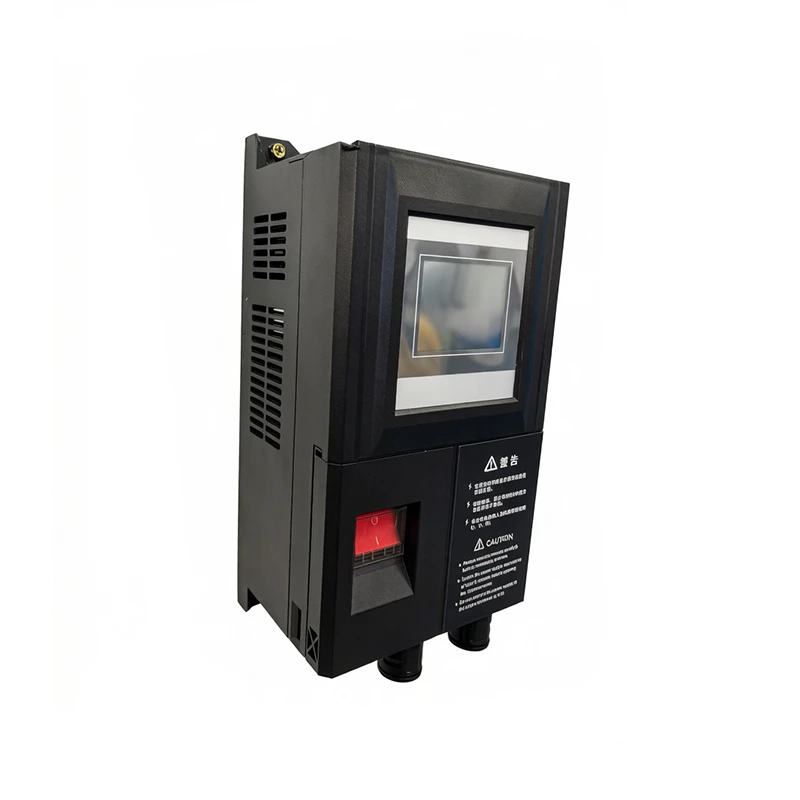
2. EMC Characteristics of 3 Phase Asynchronous Fan Control Box
2.1 Emission Characteristics
- Conducted Emissions: Conducted emissions occur when electromagnetic noise is transmitted through power lines or signal lines. In a 3 Phase Asynchronous Fan Control Box, the power electronics components such as inverters and motor drivers can generate high - frequency electrical noise. These noises can be coupled onto the power supply lines and spread throughout the electrical system. For example, the rapid switching of semiconductor devices in the control box can produce voltage and current spikes, which are then conducted along the power cables. To meet the relevant EMC standards, we, as a supplier, take measures such as installing filtering capacitors and inductors in the power input circuit of the control box. These passive components can effectively suppress the high - frequency noise and reduce the conducted emissions to an acceptable level.
- Radiated Emissions: Radiated emissions are electromagnetic waves that are emitted directly into the surrounding space from the control box. The layout of the printed circuit board (PCB) in the control box, the wiring of the cables, and the operation of the electrical components can all act as antennas to radiate electromagnetic energy. High - speed switching signals, especially those on the PCB traces, can generate radio - frequency electromagnetic fields. To minimize radiated emissions, we pay attention to the PCB design, using proper grounding techniques, minimizing the loop area of high - frequency circuits, and using shielding materials. For instance, metal enclosures can be used to shield the internal components of the control box, preventing the electromagnetic waves from radiating out.
2.2 Immunity Characteristics
- Immunity to Conducted Interference: The 3 Phase Asynchronous Fan Control Box needs to be able to resist the conducted interference from the power grid and other connected devices. Power grid disturbances such as voltage sags, surges, and high - frequency noise can enter the control box through the power lines. To enhance the immunity of the control box, we adopt over - voltage and under - voltage protection circuits, as well as transient voltage suppressors. These protection circuits can quickly respond to abnormal voltage conditions and protect the internal components of the control box from damage.
- Immunity to Radiated Interference: In a complex electromagnetic environment, the control box may be exposed to radiated electromagnetic fields from various sources, such as radio transmitters, mobile phones, and other electronic equipment. The control box should be designed to be immune to these radiated interferences. We use shielding techniques and proper grounding to reduce the impact of external radiated fields on the internal circuits of the control box. Additionally, the use of filtering components in the signal lines can further enhance the immunity of the control box to radiated interference.
3. Importance of EMC in 3 Phase Asynchronous Fan Control Box
- Reliability: Ensuring good EMC characteristics is essential for the reliable operation of the 3 Phase Asynchronous Fan Control Box. If the control box is affected by electromagnetic interference, it may lead to malfunctions, such as incorrect speed control of the fan, unstable operation, or even damage to the internal components. By minimizing emissions and enhancing immunity, we can guarantee that the control box will operate consistently and stably over a long period.
- Compliance: In many countries and regions, there are strict EMC standards and regulations that electrical and electronic equipment must comply with. For example, in the European Union, the CE marking is required for products to indicate compliance with the EMC Directive. As a responsible supplier, we ensure that our 3 Phase Asynchronous Fan Control Box meets these international and local standards, which not only allows our products to enter different markets but also gives our customers confidence in the quality and safety of our products.
- System Compatibility: In an industrial environment, the 3 Phase Asynchronous Fan Control Box is usually part of a larger electrical system. Good EMC characteristics ensure that the control box can co - exist harmoniously with other equipment in the system, such as other control devices, sensors, and communication systems. This reduces the likelihood of system - level interference and improves the overall performance of the industrial system.
4. Our Approach as a Supplier
As a supplier of the 3 Phase Asynchronous Fan Control Box, we are committed to providing products with excellent EMC characteristics.
- Design - Stage Optimization: We start by optimizing the design of the control box. This includes careful selection of components, proper PCB layout design, and the use of shielding techniques. For example, we choose low - noise power electronics components and design the PCB to minimize the coupling of electromagnetic fields between different circuits.
- EMC Testing: We conduct comprehensive EMC testing on our products during the development process. This includes both conducted and radiated emission tests, as well as immunity tests. By testing the products in an anechoic chamber and other specialized testing facilities, we can accurately measure the EMC performance of the control box and make necessary improvements to meet the required standards.
- Continuous Improvement: We keep up with the latest EMC technologies and standards. Our R & D team is constantly researching and developing new methods to improve the EMC characteristics of our products. We also collect feedback from our customers and use it to further optimize the design and performance of the 3 Phase Asynchronous Fan Control Box.
5. Related Products and Applications
In addition to the 3 Phase Asynchronous Fan Control Box, we also offer a range of related products, such as the Permanent Magnet Fan Control Box, BLDC Ceiling Fan Controller, and Three - phase Asynchronous Fan Controller. These products are also designed with high - quality EMC characteristics to ensure reliable operation in various applications.
Our products are widely used in industrial ventilation systems, HVAC systems, and other applications where precise fan control is required. In industrial ventilation systems, the 3 Phase Asynchronous Fan Control Box can be used to control the speed of large - scale fans, ensuring proper air circulation and ventilation. In HVAC systems, it can help to adjust the fan speed according to the temperature and humidity requirements, improving energy efficiency and comfort.
6. Contact Us for Procurement
If you are interested in our 3 Phase Asynchronous Fan Control Box or any of our other products, and would like to discuss procurement details, please feel free to contact us. We are committed to providing you with high - quality products, professional technical support, and excellent after - sales service. Our team of experts is ready to answer your questions and help you find the most suitable solutions for your specific needs.
References
- Paul, Clayton R. "Electromagnetic Compatibility for Power Electronics: Principles and Applications." John Wiley & Sons, 2014.
- International Electrotechnical Commission (IEC). "Electromagnetic compatibility (EMC) - Part 1 - 1: General - Definitions, principles and general requirements for EMC." IEC 61000 - 1 - 1, 2012.
- Federal Communications Commission (FCC). "Code of Federal Regulations, Title 47, Part 15 - Radio Frequency Devices." FCC, 2020.