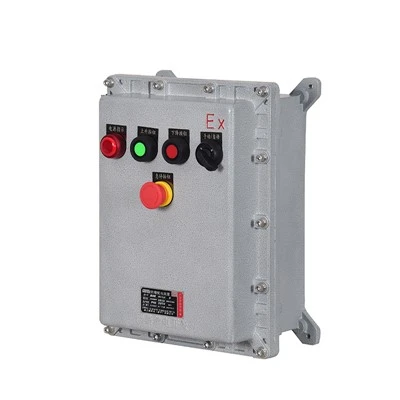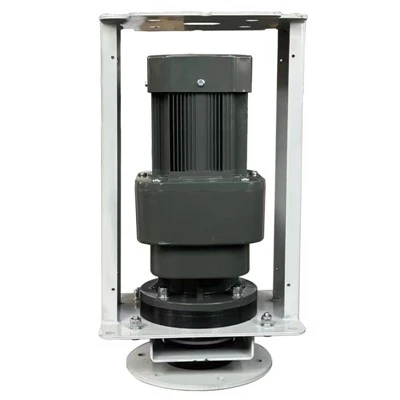

As a supplier of Rapid Door 3 - Phase Geared Motors, I've had the privilege of witnessing firsthand the diverse needs of customers when it comes to choosing the right motor for their rapid doors. One of the most common questions I encounter is about the differences between a rapid door 3 - phase geared motor and a single - phase motor. In this blog post, I'll delve into the technical, performance, and practical aspects to help you understand which option is best suited for your requirements.
Technical Differences
Power Supply
The most fundamental difference between a 3 - phase geared motor and a single - phase motor lies in their power supply. A single - phase motor operates on a single alternating current (AC) power supply, which is the standard household power in many countries. It consists of two wires: a live wire and a neutral wire. This simplicity in power supply makes single - phase motors easy to install in residential and small - scale commercial settings where 3 - phase power may not be available.
On the other hand, a 3 - phase motor requires a three - phase AC power supply. This power supply consists of three live wires, each carrying an alternating current that is out of phase with the other two by 120 degrees. Three - phase power is commonly used in industrial and large - scale commercial applications due to its higher efficiency and power - delivery capabilities. For rapid doors in industrial facilities, a 3 - phase power supply is often readily available, making it a suitable choice for 3 - phase geared motors.
Motor Construction
The construction of 3 - phase and single - phase motors also differs significantly. A 3 - phase motor has a more straightforward design in terms of its magnetic field generation. The three - phase power supply creates a rotating magnetic field within the motor, which directly drives the rotor. This results in a smoother and more efficient operation compared to single - phase motors.
Single - phase motors, however, require additional components to create a rotating magnetic field since a single - phase power supply alone cannot produce one. Common methods include using a capacitor - start or a split - phase design. These additional components increase the complexity of the motor and can lead to a lower overall efficiency compared to 3 - phase motors.
Speed and Torque Characteristics
3 - phase geared motors typically offer better speed and torque characteristics than single - phase motors. The rotating magnetic field in a 3 - phase motor provides a more constant torque output, allowing the motor to start and run smoothly. This is particularly important for rapid doors, which require quick and reliable opening and closing operations. The torque of a 3 - phase motor can be easily adjusted by changing the frequency of the power supply, making it suitable for applications with varying load requirements.
Single - phase motors, on the other hand, may experience a decrease in torque during starting and may require more time to reach their full speed. The torque output of a single - phase motor is also less consistent compared to a 3 - phase motor, which can result in a less smooth operation of the rapid door.
Performance Differences
Efficiency
Efficiency is a crucial factor when choosing a motor for a rapid door. 3 - phase geared motors are generally more efficient than single - phase motors. The rotating magnetic field in a 3 - phase motor allows for a more uniform distribution of power, reducing energy losses and heat generation. This not only saves energy but also extends the lifespan of the motor and reduces maintenance requirements.
Single - phase motors, due to their additional components and less efficient magnetic field generation, have a lower efficiency. They tend to consume more energy to achieve the same level of performance as a 3 - phase motor, which can lead to higher operating costs over time.
Power Output
3 - phase motors can deliver higher power outputs compared to single - phase motors of the same size. This makes them suitable for larger and heavier rapid doors that require more power to operate. In industrial applications, where rapid doors may be several meters wide and heavy, a 3 - phase geared motor can provide the necessary power to ensure smooth and reliable operation.
Single - phase motors are typically limited in their power output, making them more suitable for smaller and lighter rapid doors in residential or small - scale commercial settings.
Reliability and Durability
The reliability and durability of a motor are essential for the long - term performance of a rapid door. 3 - phase geared motors are known for their robustness and reliability. The simple design and efficient operation of 3 - phase motors result in fewer mechanical and electrical failures. They can withstand harsh industrial environments, including high temperatures, dust, and moisture, better than single - phase motors.
Single - phase motors, with their additional components, are more prone to wear and tear. The capacitor in a capacitor - start single - phase motor, for example, may need to be replaced periodically, adding to the maintenance requirements and potential downtime.
Practical Differences
Installation
Installing a single - phase motor is generally simpler and less expensive than installing a 3 - phase motor. Since single - phase power is readily available in most residential and small - scale commercial buildings, no additional electrical infrastructure is required. The wiring for a single - phase motor is also less complex, reducing the installation time and cost.
Installing a 3 - phase motor, however, may require the installation of a three - phase power supply if it is not already available. This can involve significant electrical work and additional costs. In industrial settings, where 3 - phase power is already present, the installation process is more straightforward, but it still requires proper wiring and grounding to ensure safe and efficient operation.
Cost
The initial cost of a single - phase motor is usually lower than that of a 3 - phase motor. This makes single - phase motors an attractive option for budget - conscious customers. However, when considering the long - term costs, including energy consumption, maintenance, and replacement, a 3 - phase motor may be more cost - effective in the long run due to its higher efficiency and reliability.
Applications
Single - Phase Motors
Single - phase motors are commonly used in residential garages, small commercial shops, and light - duty applications where the rapid door is relatively small and the power requirements are low. They are also suitable for applications where 3 - phase power is not available or where the cost of installing a 3 - phase power supply is prohibitive.
3 - Phase Geared Motors
3 - phase geared motors are the preferred choice for industrial facilities, large warehouses, and commercial buildings with high - traffic rapid doors. They are used in applications where speed, reliability, and high power output are essential, such as in factories, distribution centers, and automotive plants.
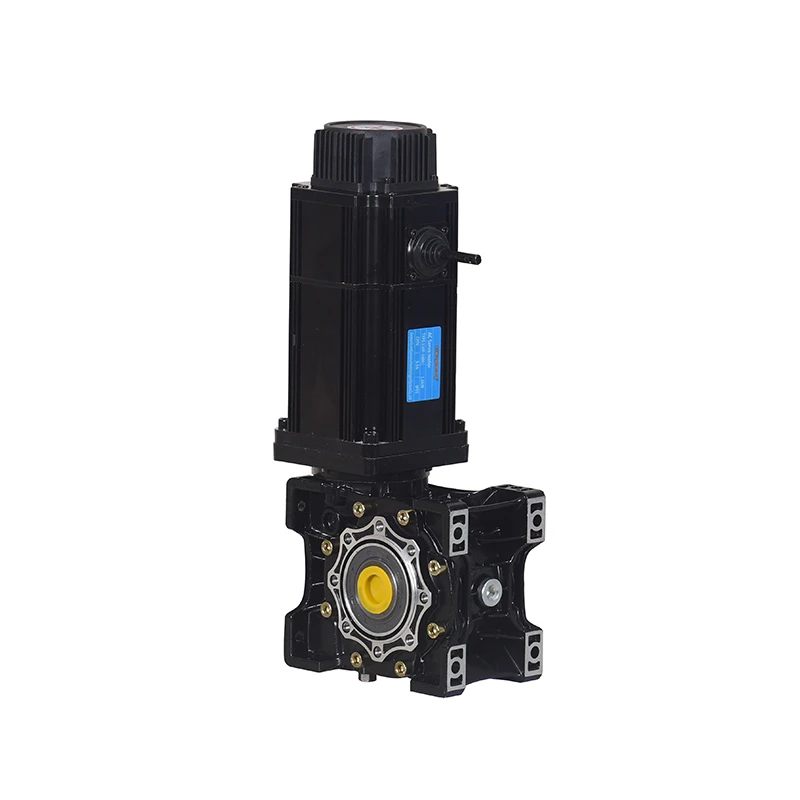
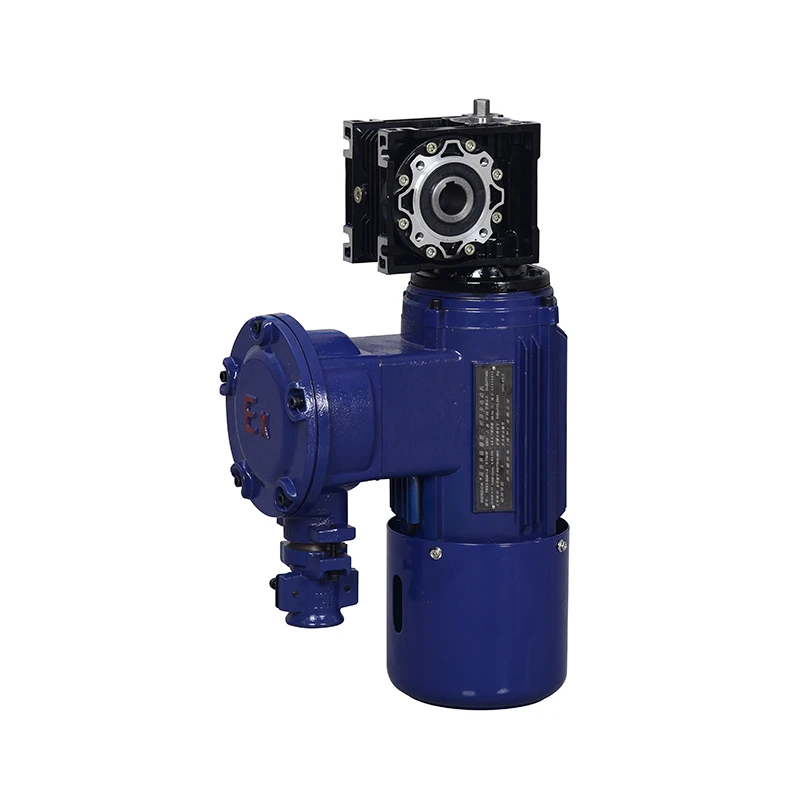
If you're in the market for a motor for your rapid door, I strongly recommend considering a Rapid Door 3 - Phase Geared Motor. Our company offers a wide range of high - quality 3 - phase geared motors that are designed to meet the specific needs of rapid door applications. We also provide other types of motors, such as Explosion - proof Servo Asynchronous Motor, Servo Geared Motor for Sectional Door, Three - phase Induction Reduction Motor, and Servo Geared Motor for High Speed Door.
If you have any questions or are interested in purchasing our products, please don't hesitate to contact us for a detailed consultation and purchase negotiation. We look forward to helping you find the perfect motor solution for your rapid door.
References
- Chapman, S. J. (2012). Electric Machinery Fundamentals. McGraw - Hill.
- Fitzgerald, A. E., Kingsley Jr, C., & Umans, S. D. (2003). Electric Machinery. McGraw - Hill.