
The rated output of a tension sensor is a critical parameter that directly influences its performance and application suitability. As a reliable tension sensor supplier, we delve deep into this concept to provide you with a comprehensive understanding.
Defining Rated Output
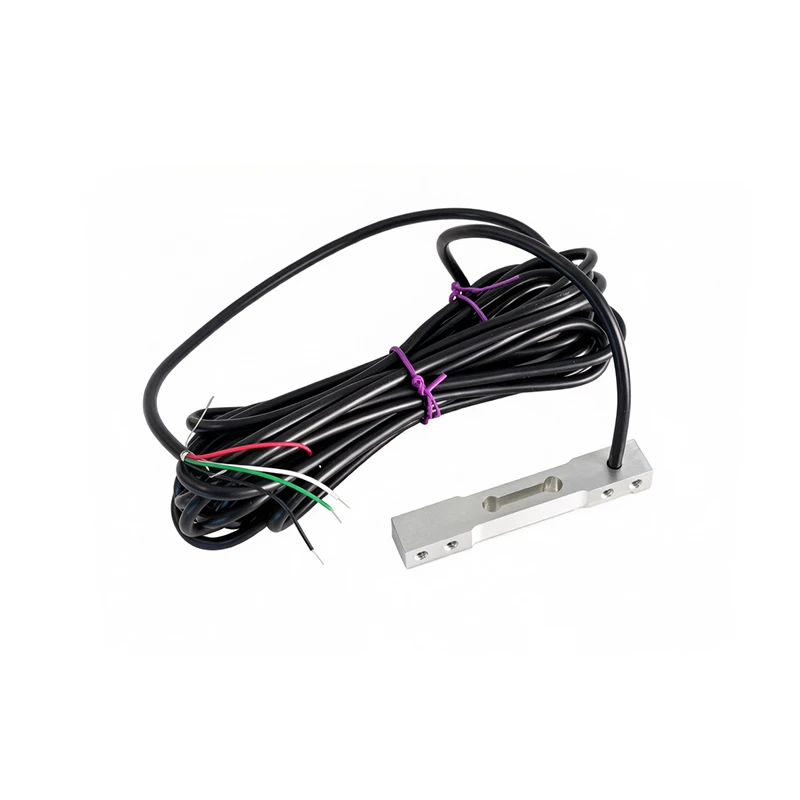
The rated output of a tension sensor refers to the electrical signal it produces under a specific load condition. Typically, it is expressed as a ratio of the output voltage or current to the applied force or tension. For example, a sensor might have a rated output of 2 mV/V, which means that for every volt of excitation voltage applied to the sensor, it will produce an output voltage of 2 millivolts per unit of full - scale load.
Let's break this down further. The excitation voltage is an external electrical signal that powers the tension sensor. It is a necessary input for the sensor to function correctly. The full - scale load is the maximum amount of tension that the sensor is designed to measure. When the applied tension reaches this full - scale value, and the specified excitation voltage is applied, the sensor will generate the rated output.
Importance of Rated Output
The rated output is of utmost importance for several reasons. First, it determines the sensitivity of the tension sensor. A higher rated output means that the sensor is more sensitive, as it can produce a larger electrical signal for a given load. This is particularly useful in applications where small changes in tension need to be detected accurately.
For instance, in a precision manufacturing process where the tension of a thin wire needs to be monitored constantly, a highly sensitive tension sensor with a higher rated output can provide more accurate measurements. This helps in maintaining the quality of the final product and reducing production errors.
Second, the rated output affects the signal - to - noise ratio. In an industrial environment, there are often various sources of electrical noise that can interfere with the sensor's output signal. A sensor with a higher rated output will have a better signal - to - noise ratio, as the signal is stronger relative to the noise. This ensures more reliable measurements and reduces the likelihood of false readings.
Factors Affecting Rated Output
Several factors can influence the rated output of a tension sensor. One of the primary factors is the design and construction of the sensor itself. The type of sensing element used, such as strain gauges in most traditional tension sensors, plays a crucial role. Different materials and configurations of strain gauges can result in different rated outputs.
The manufacturing process also has a significant impact. Precise manufacturing techniques ensure that the sensor's components are accurately calibrated, which in turn affects the rated output. Any errors in the manufacturing process can lead to variations in the rated output, which can cause inaccuracies in measurement.
Environmental conditions can also affect the rated output. Temperature changes, for example, can cause the materials in the sensor to expand or contract, which can alter the resistance of the strain gauges and thus change the rated output. To counter this, many modern tension sensors are equipped with temperature compensation mechanisms to ensure stable performance over a wide range of temperatures.
Applications and Rated Output
The choice of a tension sensor with an appropriate rated output depends on the specific application. In the packaging industry, for example, Tension Sensor are used in stretch - wrapping machines. These sensors need to accurately measure the tension of the stretch film to ensure proper wrapping of the products. A sensor with a suitable rated output will be able to provide reliable data for controlling the tension during the wrapping process.
Another application is in the textile industry, where tension sensors are used to monitor the tension of yarns during weaving and spinning processes. The rated output of the sensor needs to be carefully selected to ensure that it can detect the small variations in tension that are critical for the quality of the fabric.

Our Product Offerings
As a leading tension sensor supplier, we offer a wide range of tension sensors with different rated outputs to meet the diverse needs of our customers. Our sensors are designed and manufactured using the latest technologies and high - quality materials to ensure accurate and reliable performance.
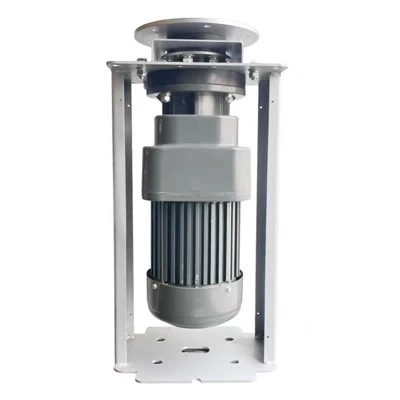
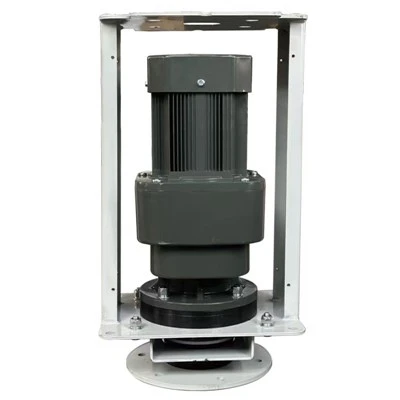
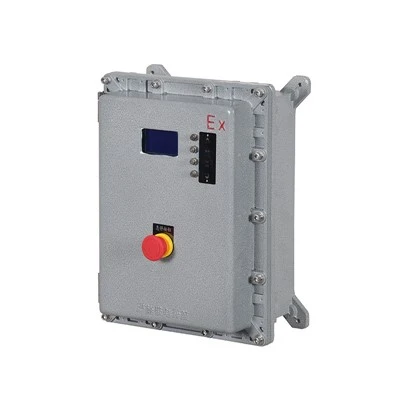
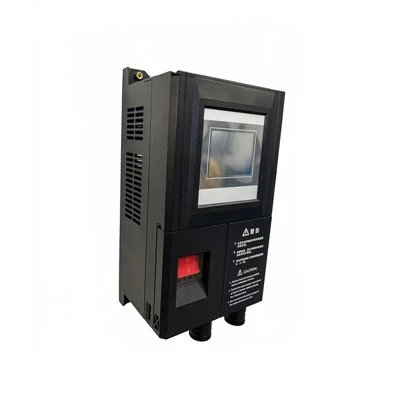
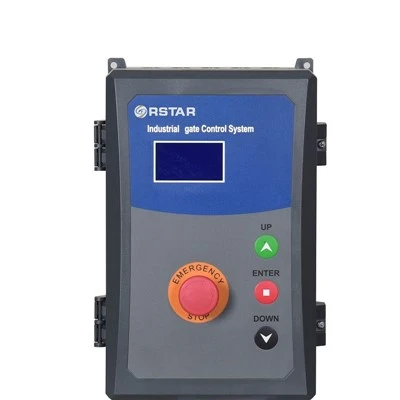
In addition to tension sensors, we also provide a variety of related products. Our All - in - One Touch Controller for Wrapper Machine is a state - of - the - art device that can be integrated with our tension sensors to provide a comprehensive control solution for stretch - wrapping machines. The Rotary Pallet Wrapper Full System is another product that combines our tension sensors with other components to offer a complete and efficient pallet - wrapping solution.
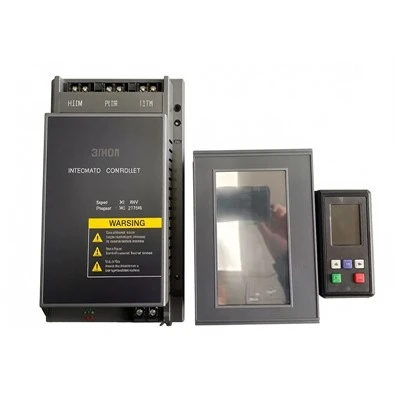
We also offer Sensorless Vector VFD and Wrapping Machine Text Controller to further enhance the performance and functionality of your packaging equipment.
Contact Us for Procurement
If you are in the market for high - quality tension sensors or any of our related products, we invite you to contact us for procurement. Our team of experts is ready to assist you in selecting the right products based on your specific requirements. Whether you need a sensor with a particular rated output or a complete system solution, we have the knowledge and experience to meet your needs.
References
- "Handbook of Measurement in Science and Engineering", edited by Myer Kutz.
- "Industrial Sensors: Theory, Applications, and Troubleshooting" by John C. DiBartolomeo.
- Technical documentation provided by leading tension sensor manufacturers.