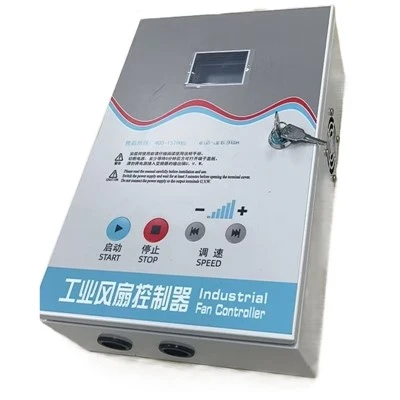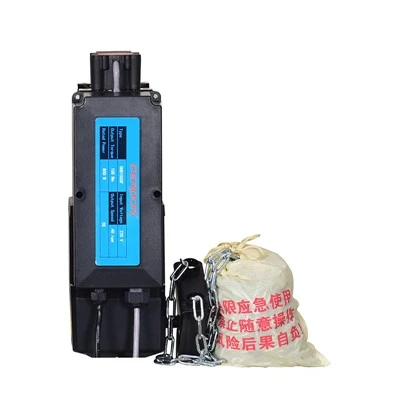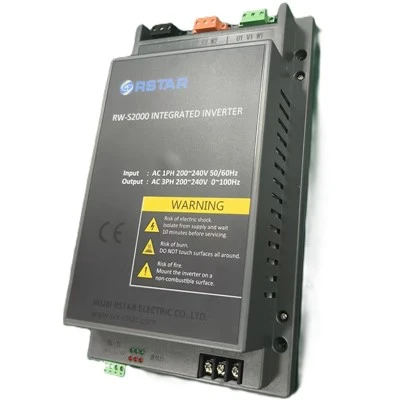

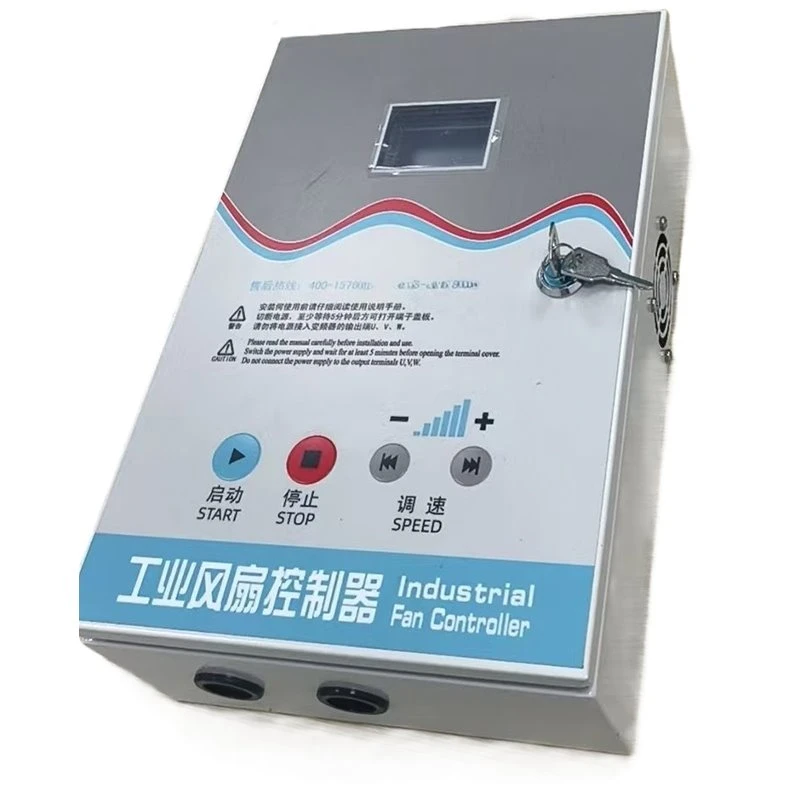
Hey there! As a supplier of the 3 Phase Asynchronous Fan Control Box, I've seen firsthand how pesky high starting currents can be. It's not just annoying; it can seriously mess with your system and equipment. So, let's dig into how we can cut down that starting current.
Why Reduce Starting Current?
First off, why bother reducing the starting current? Well, high starting currents can cause a bunch of problems. For one, they can lead to voltage dips in the electrical system. When a fan control box starts up and draws a huge current, it can pull down the voltage for other devices connected to the same system. This might make those other devices act up, or in the worst - case scenario, stop working altogether.
Secondly, high starting currents can wear out the contacts in switches and relays in the control box. Every time there's a big surge of current, it creates arcing at the contacts. Over time, this arcing erodes the contacts, reducing their lifespan and increasing the chances of a failure.
And let's not forget about the stress on the motor itself. A large starting current generates a lot of heat in the motor windings. This extra heat can damage the insulation over time, leading to motor failures and costly repairs.
Methods to Reduce Starting Current
Star - Delta Starting
One of the most common methods to reduce the starting current of a three - phase asynchronous fan control box is star - delta starting. In a star connection, the voltage across each phase of the motor is reduced to 1/√3 (about 57.7%) of the line voltage. This significantly lowers the starting current.
Here's how it works. When the motor starts, the windings are connected in a star configuration. This reduces the initial current drawn by the motor. Once the motor has reached a certain speed, usually around 80% of its full - speed, the connection is switched to a delta configuration. In the delta connection, the motor operates at its normal voltage and can deliver its full power.
However, star - delta starting has its limitations. It requires additional switching equipment, which adds to the cost and complexity of the control box. Also, the transition from star to delta can cause a brief current surge, which might still cause some voltage dips in the system.
Autotransformer Starting
Autotransformer starting is another effective method to reduce the starting current. An autotransformer is used to step down the voltage applied to the motor during startup. By reducing the voltage, the starting current is also reduced proportionally.
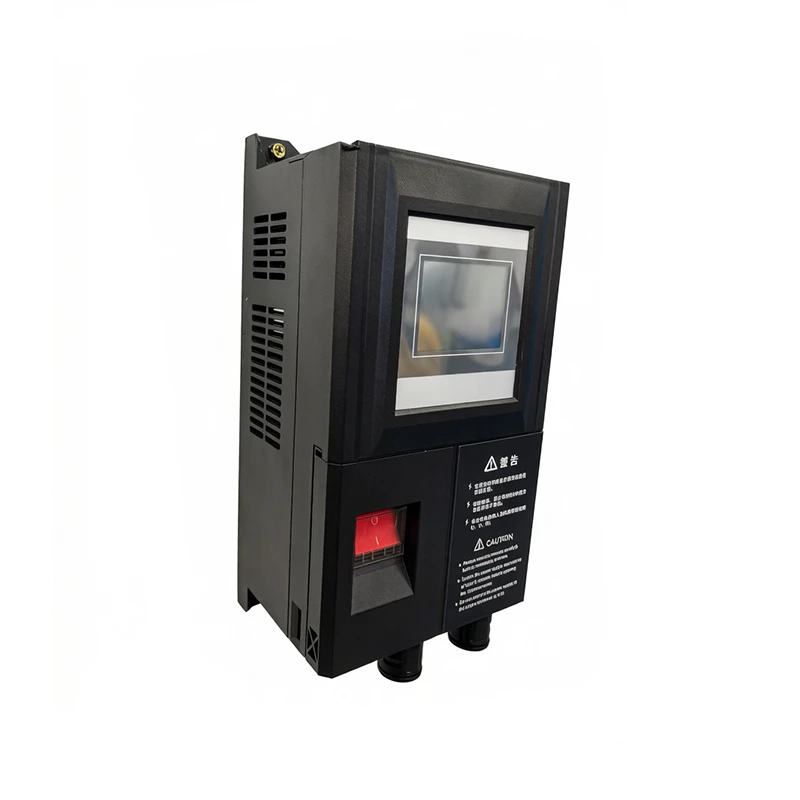
When the motor starts, the autotransformer provides a reduced voltage. As the motor accelerates, the voltage is gradually increased until the motor reaches its full - speed and is connected directly to the line voltage.
The advantage of autotransformer starting is that it can provide a smooth start with a large reduction in starting current. But like star - delta starting, it requires additional equipment (the autotransformer), which can be bulky and expensive.
Soft Starters
Soft starters are becoming increasingly popular for reducing the starting current of three - phase asynchronous motors. A soft starter is an electronic device that controls the voltage applied to the motor during startup. It gradually increases the voltage from a low value to the full line voltage over a period of time.
This gradual increase in voltage results in a smooth start with a significantly reduced starting current. Soft starters also offer features like current limitation, which can be adjusted according to the requirements of the system.
Unlike star - delta and autotransformer starting, soft starters don't require additional bulky equipment. They can be easily integrated into the control box, and they offer better control over the starting process. However, soft starters can be more expensive than the traditional starting methods.
Variable Frequency Drives (VFDs)
Variable frequency drives are probably the most advanced way to reduce the starting current of a three - phase asynchronous fan control box. A VFD controls the speed of the motor by varying the frequency and voltage of the power supplied to the motor.
During startup, the VFD starts by supplying a low frequency and voltage to the motor. As the motor accelerates, the frequency and voltage are gradually increased. This allows the motor to start smoothly with a very low starting current.
VFDs offer a lot of benefits. They not only reduce the starting current but also allow for precise speed control of the motor. This can lead to energy savings, especially in applications where the fan doesn't need to run at full speed all the time. However, VFDs are the most expensive option, and they require more technical knowledge for installation and maintenance.
Choosing the Right Method
So, how do you choose the right method to reduce the starting current for your 3 Phase Asynchronous Fan Control Box? Well, it depends on several factors.
If cost is a major concern and you're looking for a simple solution, star - delta starting might be a good option. It's a well - established method and the additional equipment required is relatively inexpensive.
If you need a smooth start with a large reduction in starting current and can afford the extra cost, autotransformer starting or a soft starter could be a better choice. Soft starters, in particular, offer more control and flexibility compared to autotransformer starting.
If you're looking for the best performance in terms of starting current reduction and speed control, and you have the budget for it, a VFD is the way to go. VFDs are ideal for applications where energy savings and precise speed control are important.
Other Related Products
We also offer other types of fan control boxes, such as the Permanent Magnet Fan Control Box and the BLDC Ceiling Fan Controller. These products have different characteristics and can be used in various applications. If you're interested in exploring other options for your fan control needs, feel free to check out our Three - phase Asynchronous Fan Controller as well.
Let's Talk!
If you're in the market for a 3 Phase Asynchronous Fan Control Box or have questions about reducing starting currents, I'd love to hear from you. Whether you're a small business owner or part of a large industrial operation, we can work together to find the best solution for your needs. Reach out to us to start a conversation about your requirements and let's see how we can help you optimize your fan control system.
References
- Electric Machinery Fundamentals by Stephen J. Chapman
- Industrial Electronics Handbook, 3rd Edition