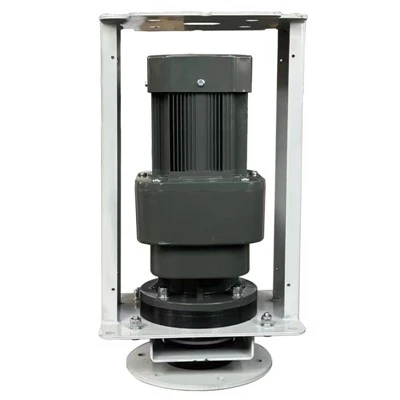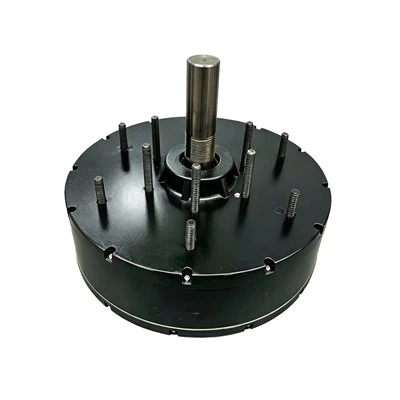

Hey there! As a supplier of three - phase induction reduction motors, I often get asked about the differences between squirrel - cage and wound - rotor three - phase induction reduction motors. So, I thought I'd write this blog to break it all down for you.
Let's start with the basics. Three - phase induction motors are a type of AC motor that's super popular in industrial applications. They work on the principle of electromagnetic induction, which is pretty cool when you think about it. Now, the squirrel - cage and wound - rotor are two main types of these motors, and they each have their own unique features.
Squirrel - Cage Three - Phase Induction Reduction Motor
The squirrel - cage motor is like the workhorse of the motor world. It's simple, reliable, and widely used. The name comes from its rotor design, which looks a bit like a squirrel cage. The rotor consists of a series of conducting bars that are short - circuited at both ends by end rings.
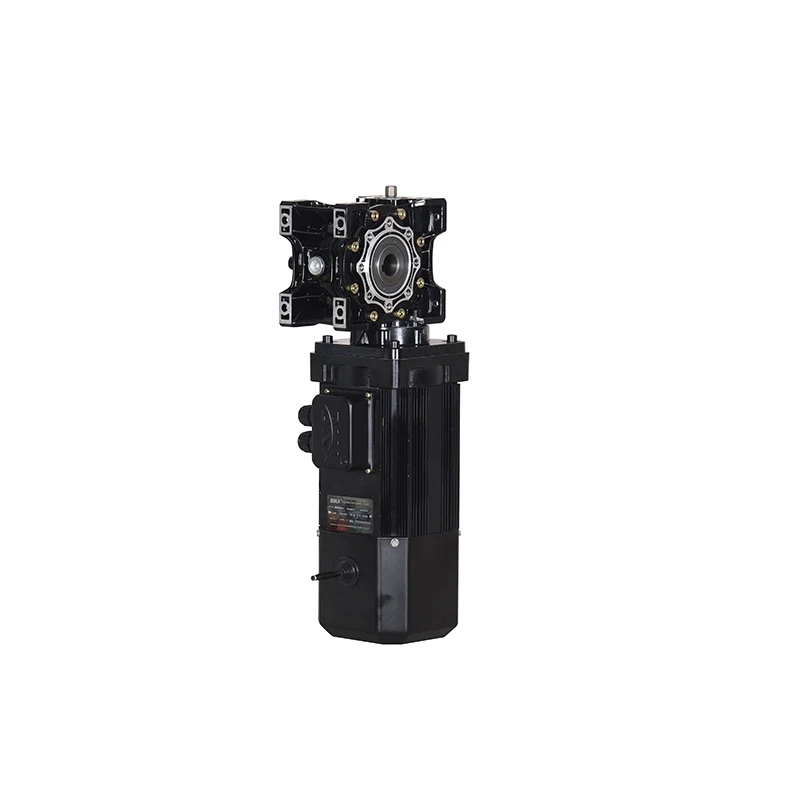
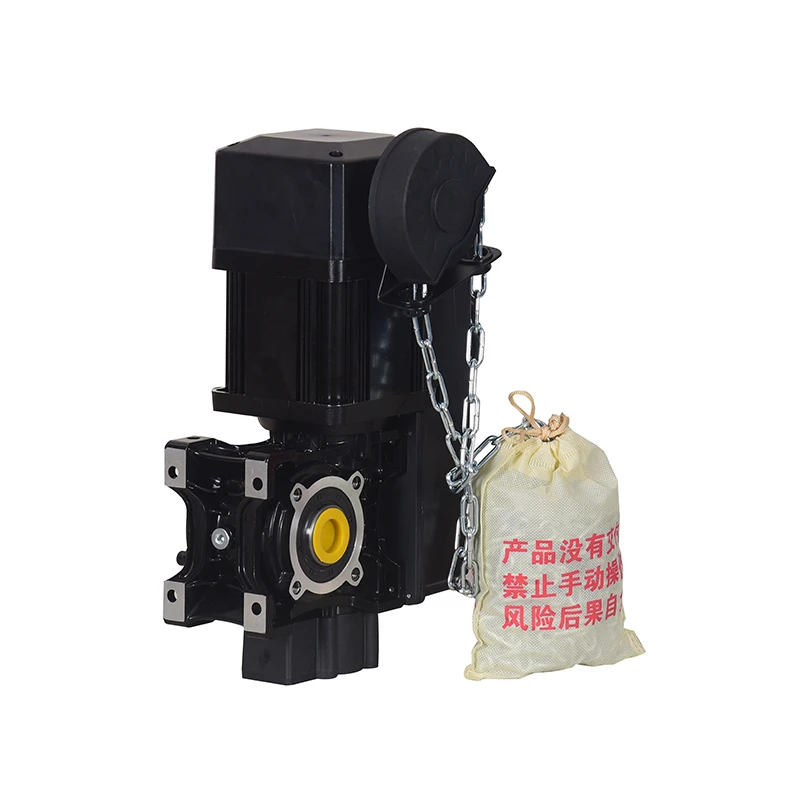
One of the biggest advantages of the squirrel - cage motor is its simplicity. There are no brushes or slip rings, which means less maintenance. You don't have to worry about things like brush wear or slip ring damage, which can be a real headache with other types of motors. This simplicity also makes it more robust and less prone to failure.
In terms of performance, squirrel - cage motors are great for applications where you need a constant speed. They have a relatively high starting torque, which means they can get up and running quickly. However, once they're running, their speed is pretty much fixed. You can't easily adjust the speed of a squirrel - cage motor without using additional equipment like a variable frequency drive (VFD).
These motors are commonly used in applications such as fans, pumps, and conveyors. For example, if you have a big industrial fan that needs to run at a constant speed, a squirrel - cage motor would be a perfect choice. It can handle the load and keep running smoothly for a long time.
If you're interested in high - speed door applications, we also offer a Servo Geared Motor for High Speed Door that combines the reliability of a three - phase induction motor with the precision of a servo system.
Wound - Rotor Three - Phase Induction Reduction Motor
Now, let's talk about the wound - rotor motor. This motor has a more complex design compared to the squirrel - cage motor. The rotor in a wound - rotor motor has a set of windings that are connected to slip rings on the shaft. External resistors can be connected to these slip rings, which allows for some interesting control options.
One of the main advantages of the wound - rotor motor is its ability to control the starting torque and speed. By adjusting the external resistors, you can increase the starting torque of the motor. This is really useful in applications where you need to start a heavy load slowly. For example, in a crane or a hoist, you can use a wound - rotor motor to gently lift a heavy object without putting too much stress on the motor.
The speed of a wound - rotor motor can also be adjusted to some extent. By changing the resistance in the rotor circuit, you can vary the speed of the motor. This gives you more flexibility compared to a squirrel - cage motor. However, it's important to note that the speed control of a wound - rotor motor is not as precise as that of a servo motor.
Another advantage of the wound - rotor motor is its ability to handle high - inertia loads. In applications where there's a lot of inertia, like in a large flywheel, a wound - rotor motor can start the load more smoothly and efficiently.
But, there are also some downsides to the wound - rotor motor. The slip rings and brushes require more maintenance compared to a squirrel - cage motor. The brushes can wear out over time, and the slip rings need to be kept clean to ensure good electrical contact. This can add to the overall cost of operating the motor.
We also have a range of motors suitable for different industrial applications. For example, our Flameproof Asynchronous Motor is designed for use in hazardous environments where there's a risk of explosion.
Performance Comparison
When it comes to performance, there are some key differences between the two types of motors.
Starting Torque: As mentioned earlier, the wound - rotor motor has a better starting torque compared to the squirrel - cage motor. You can adjust the starting torque of a wound - rotor motor by changing the external resistors, which gives you more control. The squirrel - cage motor has a fixed starting torque, which is usually high enough for most applications but may not be sufficient for very heavy loads.
Speed Control: The squirrel - cage motor has a fixed speed, and you need a VFD to adjust the speed. On the other hand, the wound - rotor motor can be adjusted to some extent by changing the rotor resistance. However, the speed control of a wound - rotor motor is not as precise as that of a motor with a VFD.
Efficiency: In general, squirrel - cage motors are more efficient than wound - rotor motors. The lack of brushes and slip rings in a squirrel - cage motor reduces the electrical losses, which means it uses less energy. The wound - rotor motor has some additional losses due to the brushes and slip rings, which makes it less efficient.
Maintenance: Squirrel - cage motors are much easier to maintain. They have fewer moving parts and no brushes or slip rings, which means less wear and tear. Wound - rotor motors require more maintenance due to the brushes and slip rings, which need to be inspected and replaced regularly.
Cost Comparison
Cost is always an important factor when choosing a motor. Squirrel - cage motors are generally cheaper to purchase compared to wound - rotor motors. The simple design of the squirrel - cage motor means it's easier and cheaper to manufacture.
However, when you consider the long - term cost, the picture may be different. Wound - rotor motors may require more maintenance, which can add to the overall cost over time. On the other hand, if you need a motor with high starting torque and speed control, the initial cost of a wound - rotor motor may be worth it.
Application Considerations
The choice between a squirrel - cage and a wound - rotor motor depends on the specific application.
If you need a motor for a simple, constant - speed application like a fan or a pump, a squirrel - cage motor is the way to go. It's reliable, efficient, and easy to maintain.
If you have a heavy - load application that requires high starting torque and some speed control, like a crane or a hoist, a wound - rotor motor may be a better choice. It can handle the load more effectively and give you more control over the motor's performance.
We also offer other types of motors for different industrial door applications. For example, our Explosion - proof Servo Asynchronous Motor is ideal for use in environments where there's a risk of explosion, and our Servo Geared Motor for Sectional Door is designed for precise control of sectional doors.
Conclusion
In conclusion, both squirrel - cage and wound - rotor three - phase induction reduction motors have their own advantages and disadvantages. The choice between the two depends on your specific application requirements, budget, and maintenance capabilities.
If you're still not sure which motor is right for you, feel free to get in touch with us. We're here to help you make the best decision for your needs. Whether you need a motor for a high - speed door, a sectional door, or any other industrial application, we have a wide range of products to choose from. You can also check out our Rapid Door 3 - Phase Geared Motor for rapid door applications.
So, if you're in the market for a three - phase induction reduction motor, don't hesitate to reach out. We'll work with you to find the perfect motor for your project.
References
- Chapman, S. J. (2012). Electric Machinery Fundamentals. McGraw - Hill.
- Fitzgerald, A. E., Kingsley, C., Jr., & Umans, S. D. (2003). Electric Machinery. McGraw - Hill.