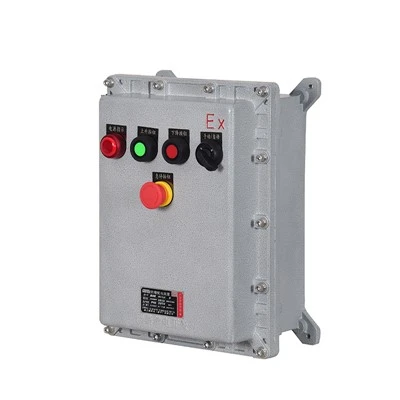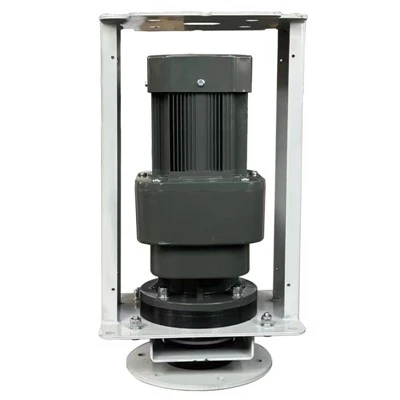

What are the installation prerequisites for an explosion - proof servo control box?
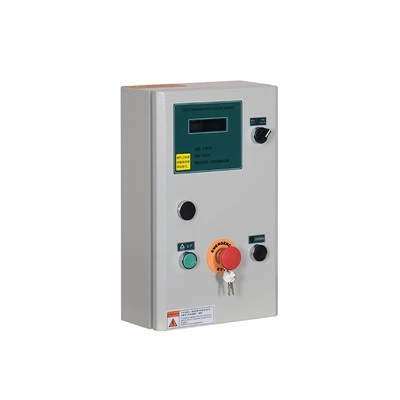
As a reliable supplier of explosion - proof servo control boxes, I understand that the correct installation of these devices is crucial not only for their proper functioning but also for ensuring the safety of the entire industrial environment. Before installing an explosion - proof servo control box, there are several important prerequisites to consider.
1. Site Assessment and Compliance
Understanding the Environment
The first step is to conduct a thorough assessment of the installation site. Explosion - proof servo control boxes are mainly used in hazardous areas where there is a risk of flammable gases, vapors, or dust. You need to determine the type of hazardous substances present, such as whether it is a Class I area (gases and vapors) or Class II area (dust). For example, in an oil refinery, the presence of flammable hydrocarbons makes it a high - risk Class I environment.
Moreover, the temperature and humidity levels of the site are also vital factors. Extreme temperatures can affect the performance and lifespan of the control box. High humidity may lead to corrosion or electrical short circuits. Therefore, it is necessary to measure and document these environmental parameters.
Meeting Safety Standards
Compliance with safety standards is non - negotiable. The installation must adhere to national and international safety regulations, such as the National Electrical Code (NEC) in the United States or the International Electrotechnical Commission (IEC) standards globally. These standards specify requirements for electrical installations in hazardous areas, including grounding, wiring, and protection against explosion hazards. Any non - compliance can result in serious safety risks and legal consequences.
2. Electrical System Compatibility
Voltage and Power Requirements
The explosion - proof servo control box must be compatible with the existing electrical system. You need to check the input voltage and current ratings of the control box and ensure they match the power supply available at the installation site. Incorrect voltage can cause the control box to malfunction or even damage it. For example, if the control box is designed for a 220V power supply and is connected to a 440V line, it will be severely damaged.
In addition, consider the power consumption of the control box and the capacity of the electrical circuit. Overloading the circuit can lead to overheating and electrical failures. Calculate the total power requirements of the control box and any connected devices, and make sure the circuit can handle the load.
Wiring and Earthing
Proper wiring is essential for the safe operation of the explosion - proof servo control box. Use only approved wiring materials that are suitable for hazardous areas. The wiring should be installed in a way that minimizes the risk of physical damage, such as through armored conduits or cable trays.
Earthing is another critical aspect. A proper earthing system provides a safe path for electrical faults to discharge, reducing the risk of electrical shock and explosion. The control box should be securely connected to the earthing system, and the earthing resistance should be within the acceptable range as specified by the relevant standards.
3. Equipment Inspection and Preparation
Physical Inspection
Before installation, conduct a detailed physical inspection of the explosion - proof servo control box. Check for any visible damage, such as cracks, dents, or loose components. Any damaged parts should be replaced or repaired before proceeding with the installation. Also, verify that all the necessary components, such as circuit breakers, relays, and connectors, are included and in good working condition.
Function Testing
It is recommended to perform function tests on the control box in a safe environment before installation. This helps to ensure that the control box is working properly and can detect any potential issues early. Test all the input and output functions, such as signal reception, motor control, and safety interlocks.
4. Installation Tools and Personnel
Required Tools
Gather all the necessary tools for the installation, including screwdrivers, wrenches, wire strippers, and multimeters. Make sure the tools are in good condition and are suitable for working in hazardous areas. Some tools may need to be specially designed to prevent sparking, which could trigger an explosion.
Qualified Personnel
The installation of an explosion - proof servo control box should be carried out by qualified and trained personnel. They should have a good understanding of electrical systems, safety regulations, and the installation procedures for explosion - proof equipment. Adequate training and experience are essential to ensure the correct and safe installation of the control box.
Related Products
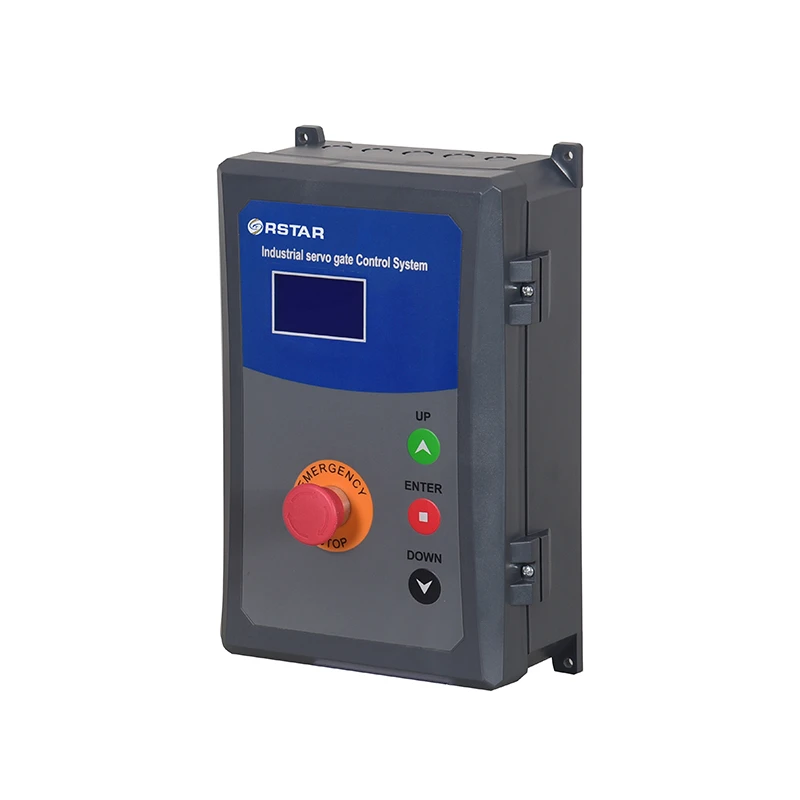
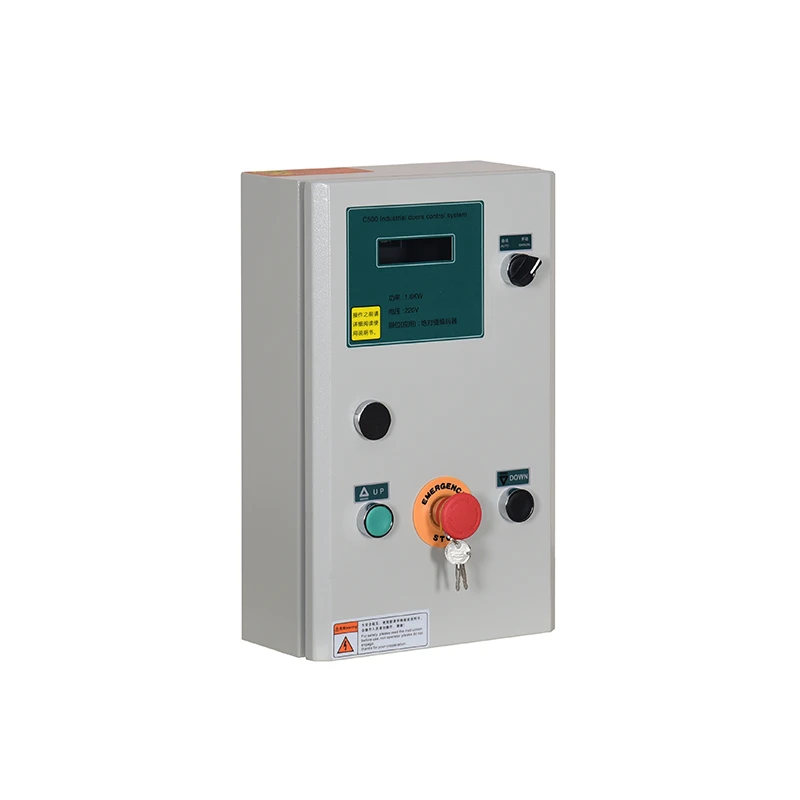
In addition to our explosion - proof servo control boxes, we also offer a range of other high - quality control boxes for industrial doors. For example, our DC Sectional Door Control Box is designed for efficient operation of DC sectional doors. The Flameproof Variable Frequency Control Box provides reliable control for variable - frequency applications in hazardous environments. Our Servo Sectional Door Control Box offers precise control for servo - driven sectional doors. The Variable Frequency Lift Door Control Box is suitable for lift doors with variable - frequency requirements, and the Frequency Conversion Fast Door Controller is ideal for fast - acting doors.
If you are interested in our explosion - proof servo control boxes or any of our other products, we encourage you to contact us for in - depth discussions and potential procurement. We are committed to providing you with the best solutions that meet your specific needs.
References
- National Electrical Code (NEC)
- International Electrotechnical Commission (IEC) Standards
- Manufacturer's Installation Manual for Explosion - Proof Servo Control Boxes