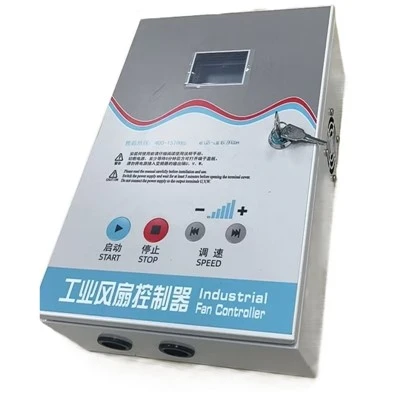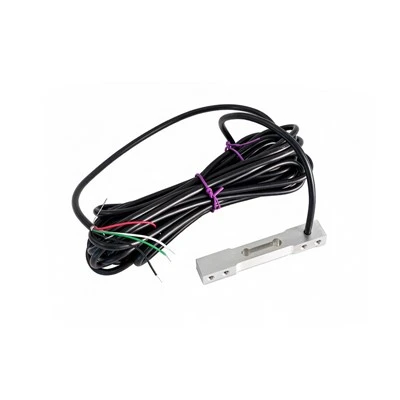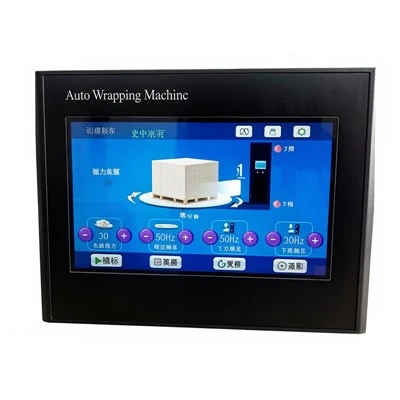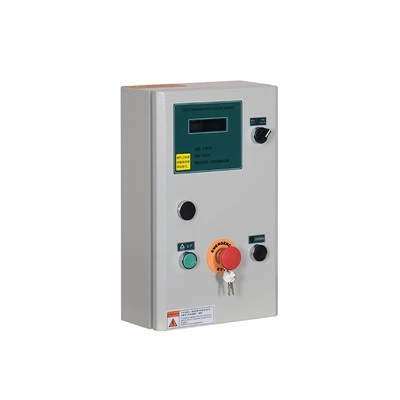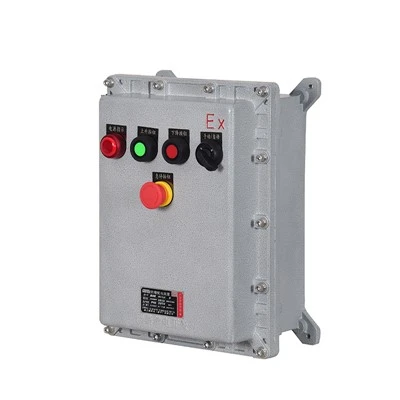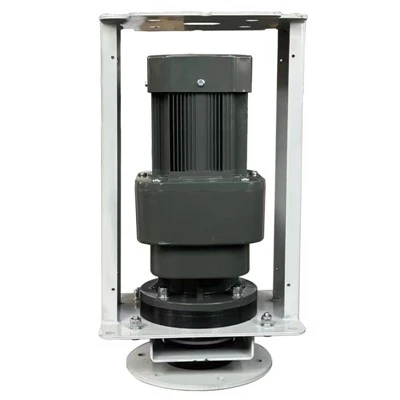

As a professional supplier of Servo Sectional Door Control Boxes, I often encounter customers' inquiries about various functional features of our products. One frequently asked question is: Does a Servo Sectional Door Control Box have a self - testing function? In this blog, I will delve into this topic, exploring the self - testing function of servo sectional door control boxes, its importance, how it works, and its significance in the door control system.
The Significance of Self - Testing Function in Servo Sectional Door Control Boxes
In the field of industrial and commercial door control, the reliability and safety of door operation are of utmost importance. A servo sectional door is a complex mechanical and electrical system, and the control box is the core component that manages its operation. The self - testing function of the servo sectional door control box plays a crucial role in ensuring the proper functioning of the door system.
Firstly, it enhances safety. The self - testing function can detect potential malfunctions or faults in the control box and the door system in a timely manner. For example, it can check the integrity of electrical circuits, the performance of sensors, and the operation of the servo motor. If a fault is detected during self - testing, the control box can immediately trigger safety measures, such as stopping the door movement or sending an alarm signal. This helps to prevent accidents, such as the door suddenly falling or colliding with obstacles, which could cause damage to property or harm to personnel.
Secondly, it improves maintenance efficiency. By regularly performing self - tests, the control box can provide detailed diagnostic information about its own condition and the status of the connected door components. This information allows maintenance personnel to quickly identify the root cause of a problem and take appropriate repair or replacement actions. Instead of spending hours or even days troubleshooting a complex system, maintenance can be carried out more efficiently, reducing downtime and minimizing the impact on business operations.
How the Self - Testing Function Works
The self - testing process of a servo sectional door control box typically involves a series of checks and evaluations. Here is a general overview of the main steps:
Power - on Self - Test (POST)
When the control box is powered on, it immediately initiates a power - on self - test. During this stage, the control box checks the basic hardware components, such as the power supply module, the central processing unit (CPU), the memory, and the input/output interfaces. It verifies whether these components are functioning correctly by sending test signals and analyzing the returned responses. If any hardware fault is detected, the control box may display an error code on its display panel or send an error message to a connected monitoring system.
Sensor and Actuator Checks
The servo sectional door control box is connected to various sensors and actuators, such as photoelectric sensors, limit switches, and the servo motor. The self - testing function will check the operation of these components. For sensors, it will verify whether they can accurately detect the presence or absence of objects, the position of the door, etc. For the servo motor, the control box will test its speed control, torque output, and direction control functions. It does this by sending specific control signals to the sensors and actuators and comparing the actual responses with the expected ones.
Communication and Network Checks
In modern servo sectional door control boxes, there is often a communication interface that allows for remote monitoring and control. The self - testing function will check the integrity of the communication link, such as the connection to the Ethernet, Wi - Fi, or other communication protocols. It will also test the data transmission accuracy and the ability to communicate with other devices in the network, such as a central monitoring station or a mobile app.
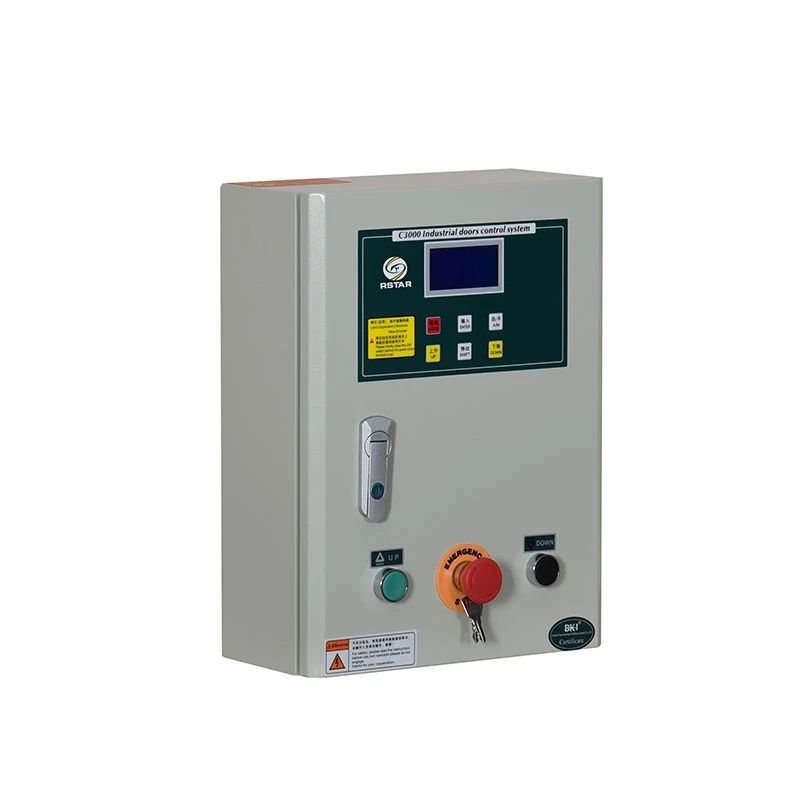
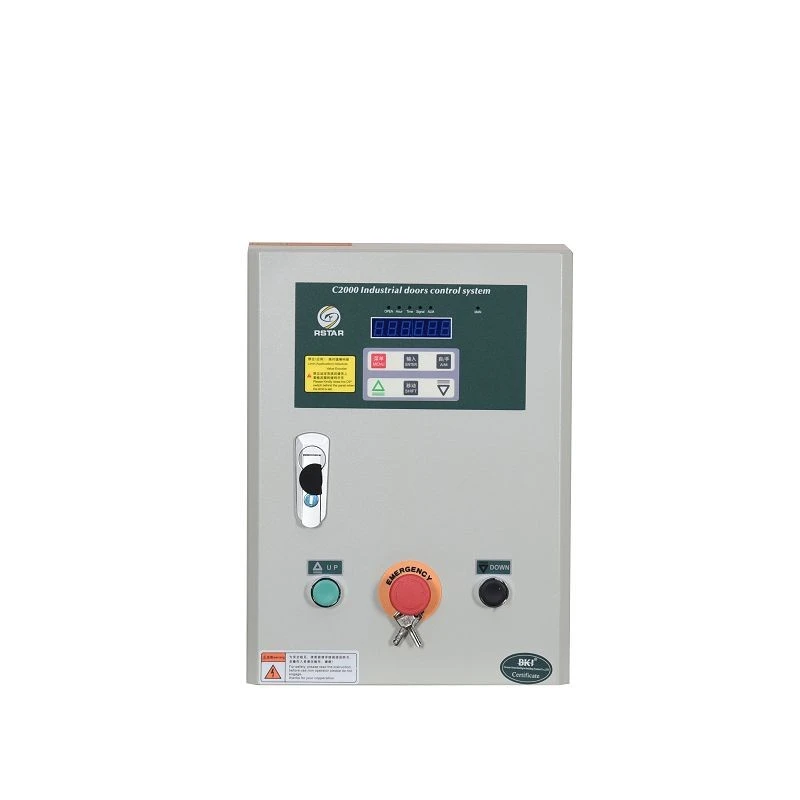
Our Servo Sectional Door Control Box and Its Self - Testing Function
At our company, we take pride in offering high - quality Servo Sectional Door Control Box with advanced self - testing capabilities. Our control boxes are designed with state - of - the - art technology to ensure reliable and accurate self - testing.
We use redundant self - testing mechanisms in our products. This means that multiple tests are performed on each critical component to increase the reliability of fault detection. For example, in addition to the electrical signal - based tests, we also use built - in diagnostic algorithms that analyze the operating data of the control box over a period of time. This can help to identify potential latent faults that may not be detected by a single - point test.
Our control boxes also have the ability to store test results and diagnostic information. Maintenance personnel can easily access this data through a local display or a remote interface. This historical data can be used for trend analysis, which helps to predict future faults and plan preventive maintenance measures.
Comparison with Other Types of Door Control Boxes
To better understand the advantages of our servo sectional door control box, let's briefly compare it with some other common types of door control boxes:
Variable Frequency Lift Door Control Box
The Variable Frequency Lift Door Control Box mainly focuses on controlling the speed and torque of the lift door motor through variable frequency technology. While it may also have some basic self - testing functions, such as checking the power supply and motor operation, our servo sectional door control box has a more comprehensive self - testing scope. It can not only test the motor but also the entire door system, including sensors, limit switches, and the mechanical structure.
Frequency Conversion Fast Door Controller
The Frequency Conversion Fast Door Controller is designed for fast - opening and closing doors. Its self - testing function is mainly centered around ensuring the high - speed and stable operation of the door. However, our servo sectional door control box provides more in - depth self - testing for safety and reliability, which is especially important for sectional doors that are often used in industrial and commercial environments where safety is a top priority.
Flameproof Variable Frequency Control Box and Explosion - proof Servo Control Box
The Flameproof Variable Frequency Control Box and Explosion - proof Servo Control Box are designed for hazardous environments. Although they have self - testing functions to ensure safe operation in such environments, our servo sectional door control box combines the self - testing features for both normal operation and safety in general industrial settings, with a more user - friendly interface and more detailed diagnostic information.
Conclusion and Call to Action
In conclusion, a servo sectional door control box with a self - testing function is a valuable addition to any door system. It provides enhanced safety, improves maintenance efficiency, and ensures the long - term reliability of the door operation. Our company is committed to providing the best - in - class servo sectional door control boxes with advanced self - testing capabilities.
If you are in the market for a high - quality servo sectional door control box or have any questions about our products, we encourage you to contact us for further discussion and potential procurement. Our team of experts is ready to assist you in finding the most suitable solution for your specific needs.
References
- Industry standards for industrial door control systems
- Technical manuals of servo sectional door control boxes
- Research papers on door control system reliability and safety