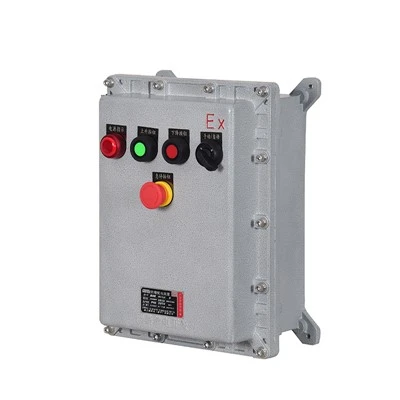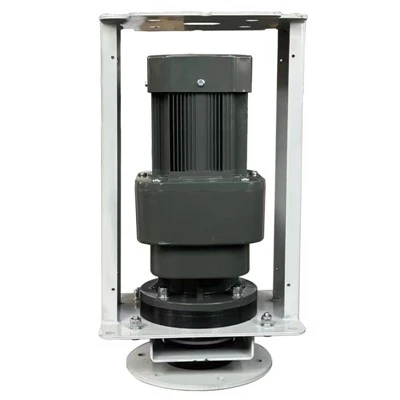

Hey there! As a supplier of 3 Phase Asynchronous Fan Control Boxes, I often get asked if our products are suitable for noise - sensitive areas. So, I thought I'd sit down and write a blog post to clear up any confusion.
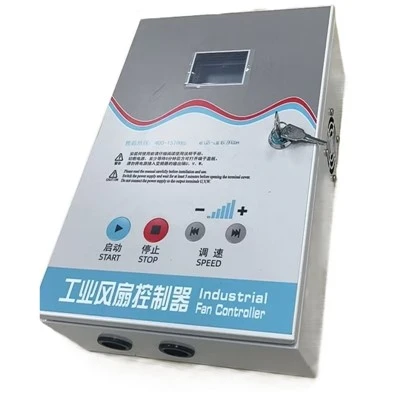
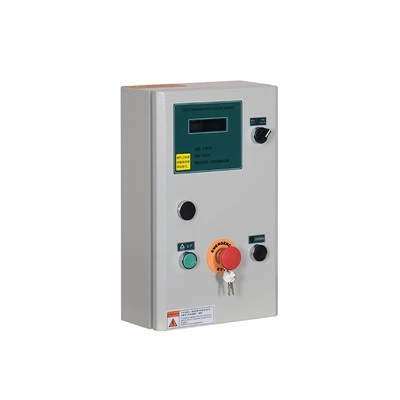
First off, let's talk a bit about what a 3 Phase Asynchronous Fan Control Box is. It's a device that helps regulate the speed and operation of three - phase asynchronous fans. These fans are commonly used in industrial and commercial settings because they're reliable and can handle a lot of power. You can find more details about our 3 Phase Asynchronous Fan Control Box here.
Now, when it comes to noise - sensitive areas, like hospitals, libraries, or residential neighborhoods, noise is a big deal. No one wants a loud, humming machine disturbing the peace. So, can our 3 Phase Asynchronous Fan Control Box fit in these quiet places?
How Noise is Generated in Fan Control Boxes
To understand if our control box is suitable, we need to know how noise is generated in the first place. There are a few main sources of noise in a 3 Phase Asynchronous Fan Control Box.
One of the biggest culprits is the electrical components. When electricity flows through the circuits, it can create a buzzing or humming sound. This is especially true if the components are of low quality or if there's a problem with the wiring. Another source of noise is the cooling fans inside the control box. These fans are there to prevent the components from overheating, but they can also make a fair amount of noise.
Our Efforts to Reduce Noise
At our company, we've taken several steps to reduce the noise generated by our 3 Phase Asynchronous Fan Control Boxes.
High - Quality Components: We use top - notch electrical components in our control boxes. These components are specifically designed to operate quietly. They have better insulation and lower electrical resistance, which means less buzzing and humming.
Optimized Cooling Design: Instead of relying on large, noisy fans, we've developed an optimized cooling design. Our control boxes use a combination of heat sinks and smaller, more efficient fans. The heat sinks help dissipate heat without the need for constant fan operation, and the smaller fans are designed to run quietly.
Sound - Dampening Materials: We've also incorporated sound - dampening materials inside the control box. These materials help absorb the noise generated by the electrical components and the fans, reducing the overall sound output.
Comparative Analysis with Other Fan Control Boxes
Let's compare our 3 Phase Asynchronous Fan Control Box with some other types of fan control boxes, like the BLDC Ceiling Fan Controller, Three - phase Asynchronous Fan Controller, and Permanent Magnet Fan Control Box.
BLDC ceiling fan controllers are known for their quiet operation. They use brushless DC motors, which produce less noise compared to traditional motors. However, they're mainly designed for ceiling fans and may not be suitable for large - scale industrial applications.
Three - phase asynchronous fan controllers are similar to our 3 Phase Asynchronous Fan Control Box. But our product has the edge when it comes to noise reduction because of the high - quality components and sound - dampening features we've mentioned.
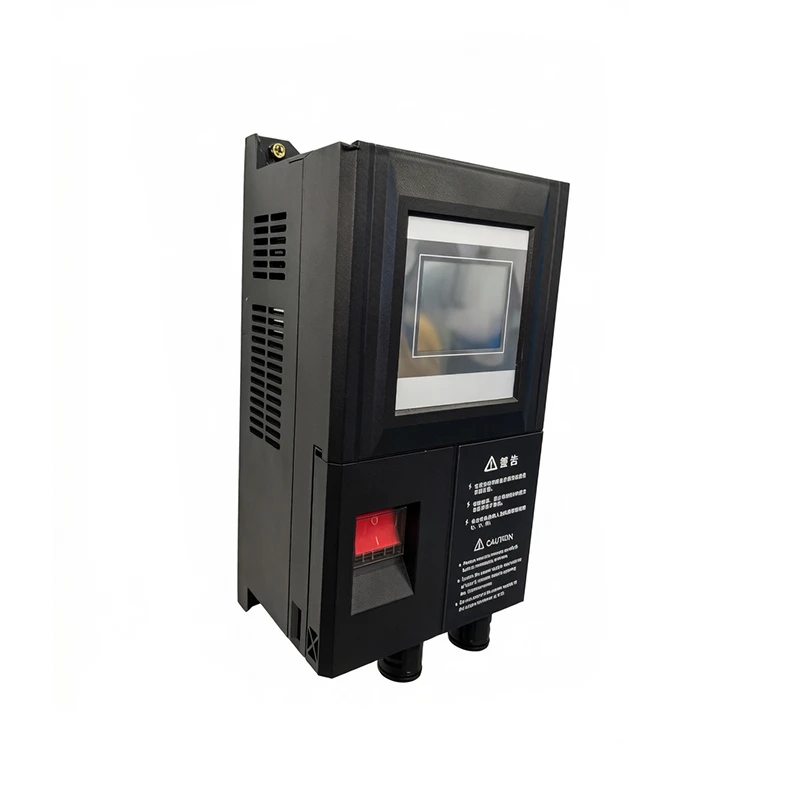
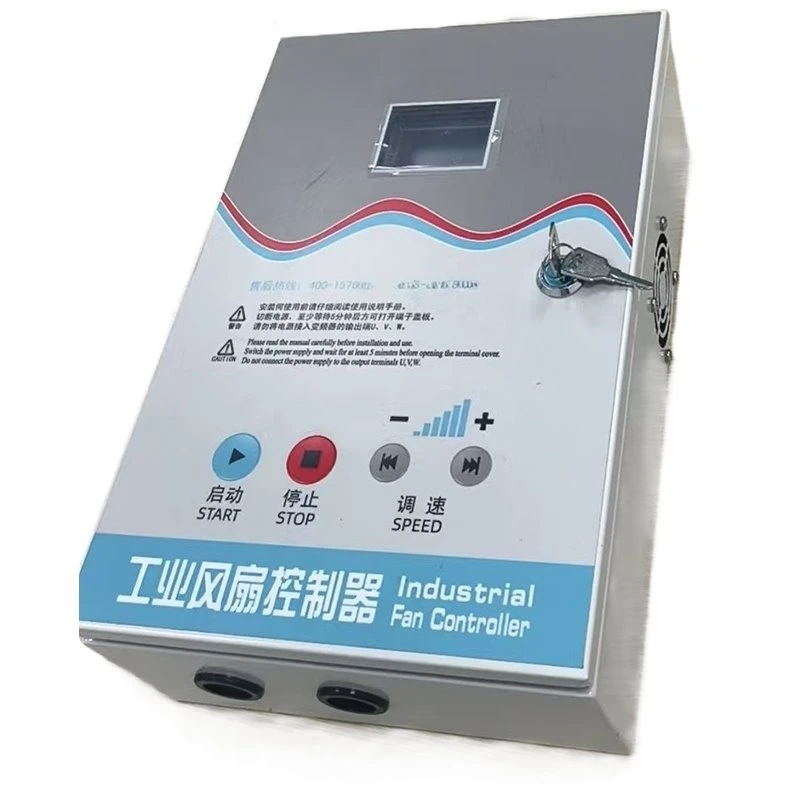
Permanent magnet fan control boxes are also efficient, but they can sometimes generate more noise due to the magnetic fields. Our control box, on the other hand, has been engineered to minimize such noise - related issues.
Real - World Applications in Noise - Sensitive Areas
We've had several customers who've used our 3 Phase Asynchronous Fan Control Boxes in noise - sensitive areas, and the results have been great.
For example, a local hospital installed our control boxes in their ventilation system. The ventilation system is crucial for maintaining a clean and healthy environment, but it can also be noisy. After installing our control boxes, the noise level was significantly reduced, and the patients and staff noticed a big difference.
In a library, our control boxes were used to regulate the fans in the air - conditioning system. The quiet operation of the control boxes ensured that the peaceful atmosphere of the library was maintained, allowing visitors to focus on their reading.
Factors to Consider When Using in Noise - Sensitive Areas
Even though our 3 Phase Asynchronous Fan Control Box is designed to be quiet, there are still a few factors you need to consider when using it in a noise - sensitive area.
Installation: Proper installation is key. Make sure the control box is installed on a stable surface and that all the wiring is done correctly. A poorly installed control box can vibrate and create more noise.
Maintenance: Regular maintenance is also important. Check the control box periodically for any loose components or signs of wear and tear. A well - maintained control box will operate more quietly.
Surrounding Environment: The surrounding environment can also affect the noise level. If the control box is installed in a small, enclosed space, the noise may bounce off the walls and seem louder. Try to install it in a well - ventilated area with plenty of space around it.
Conclusion
So, to answer the question, yes, a 3 Phase Asynchronous Fan Control Box can definitely be used in a noise - sensitive area. Our control box, in particular, has been designed with noise reduction in mind. We've used high - quality components, optimized the cooling design, and incorporated sound - dampening materials to ensure quiet operation.
If you're in the market for a fan control box for a noise - sensitive area, I encourage you to consider our 3 Phase Asynchronous Fan Control Box. We're confident that it will meet your needs and provide a quiet, efficient solution for your fan regulation.
If you have any questions or are interested in purchasing our products, feel free to reach out. We're always happy to help you with the selection process and provide you with more information.
References
- Electrical Engineering Handbook: Covers the basics of three - phase asynchronous motors and control boxes.
- Noise Control Engineering Principles: Discusses methods for reducing noise in electrical devices.