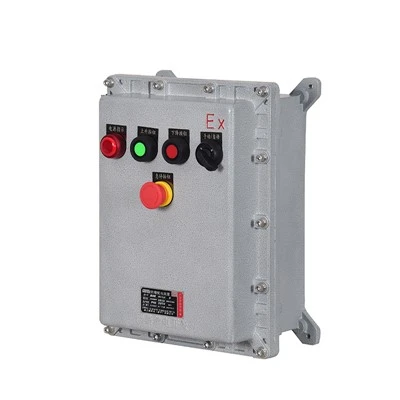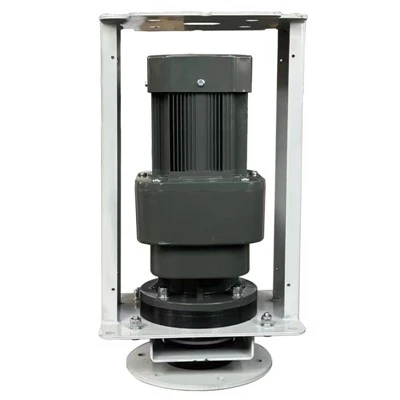

As a seasoned supplier of industrial door geared motors, I'm excited to delve into the main components that make up these essential pieces of equipment. Industrial door geared motors play a crucial role in various industries, providing the power and control needed to operate industrial doors efficiently and safely. Understanding the components of these motors is key to making informed decisions when it comes to purchasing, maintaining, and troubleshooting them.
Motor
The heart of an industrial door geared motor is, of course, the motor itself. The motor is responsible for converting electrical energy into mechanical energy, which is then used to drive the door. There are several types of motors commonly used in industrial door applications, each with its own advantages and disadvantages.
- AC Induction Motors: These are the most widely used motors in industrial door applications due to their simplicity, reliability, and cost-effectiveness. AC induction motors work by using an electromagnetic field to induce a current in the rotor, causing it to rotate. They are available in single-phase and three-phase configurations, with three-phase motors typically offering higher power and efficiency. For example, our Rapid Door 3 - Phase Geared Motor is designed for high - speed and heavy - duty applications, leveraging the power of a three - phase AC induction motor.
- DC Motors: DC motors offer precise speed control and high torque at low speeds, making them suitable for applications where fine - tuned control is required. They are often used in smaller industrial doors or in applications where a variable speed drive is necessary. However, DC motors can be more expensive and require more maintenance compared to AC induction motors.
- Servo Motors: Servo motors are known for their high precision, speed, and torque control. They are commonly used in high - speed doors and sectional doors, where accurate positioning and rapid operation are essential. Our Servo Geared Motor for High Speed Door and Servo Geared Motor for Sectional Door are examples of how servo motors are utilized to provide optimal performance in specific door applications.
Gearbox
The gearbox is another critical component of an industrial door geared motor. Its primary function is to reduce the speed of the motor and increase the torque output. By doing so, the gearbox allows the motor to operate more efficiently and provides the necessary power to move the heavy industrial door.
- Helical Gearbox: Helical gearboxes are known for their smooth operation, high efficiency, and quiet running. They use helical gears, which have teeth that are angled rather than straight, resulting in less noise and vibration compared to other types of gearboxes. Helical gearboxes are commonly used in industrial door applications where quiet and reliable operation is required.
- Worm Gearbox: Worm gearboxes are compact and offer high reduction ratios in a single stage. They are self - locking, which means they can hold the door in place without the need for an additional brake. However, worm gearboxes are generally less efficient than helical gearboxes and may require more maintenance due to the sliding action of the gears.
- Planetary Gearbox: Planetary gearboxes are highly efficient and can provide very high torque output in a small package. They are often used in applications where high power density and compact design are required. Planetary gearboxes are suitable for heavy - duty industrial doors that need to operate frequently and under high loads.
Brake
A brake is an essential safety feature in an industrial door geared motor. Its main purpose is to hold the door in place when it is stationary and to stop the door quickly in case of a power failure or emergency.
- Electromagnetic Brake: Electromagnetic brakes are the most commonly used brakes in industrial door applications. They work by using an electromagnetic coil to engage or disengage the brake. When the power is on, the electromagnetic coil is energized, releasing the brake and allowing the motor to rotate. When the power is off or a stop signal is sent, the electromagnetic coil is de - energized, and the brake engages, stopping the door.
- Mechanical Brake: Mechanical brakes rely on mechanical forces, such as springs or friction, to hold the door in place. They are often used as a backup or secondary brake in addition to an electromagnetic brake. Mechanical brakes can be more reliable in some situations, especially in harsh environments where electrical components may be prone to failure.
Controller
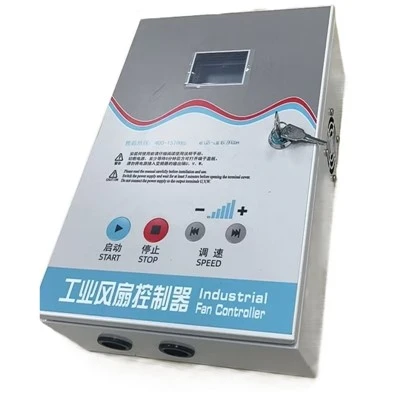
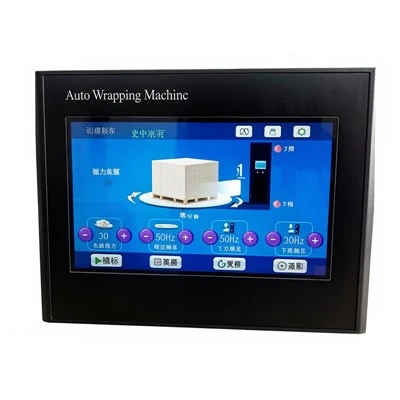
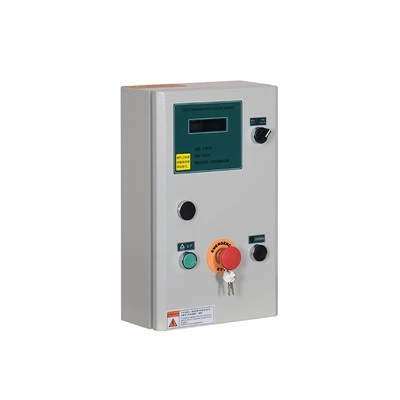
The controller is responsible for regulating the operation of the industrial door geared motor. It receives signals from various sensors and switches, such as limit switches, safety sensors, and remote controls, and uses these signals to control the speed, direction, and position of the door.
- PLC (Programmable Logic Controller): PLCs are widely used in industrial door applications due to their flexibility and programmability. They can be easily programmed to perform a variety of functions, such as opening and closing the door at specific times, adjusting the door speed based on the load, and interacting with other systems in the factory.
- Variable Frequency Drive (VFD): A VFD is used to control the speed of an AC motor by varying the frequency and voltage of the electrical supply. This allows for precise speed control and energy savings, as the motor can operate at the optimal speed for the application. VFDs are often used in high - speed doors and energy - efficient industrial door systems.
Sensors
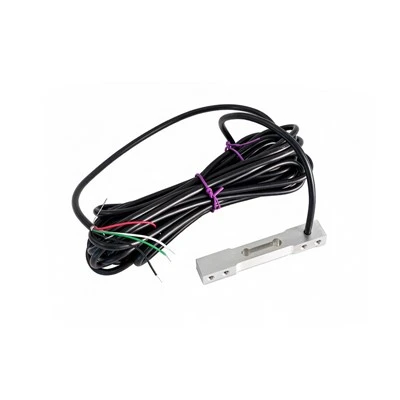
Sensors play a crucial role in the safe and efficient operation of industrial door geared motors. They provide feedback to the controller, allowing it to make informed decisions about the position, movement, and status of the door.
- Limit Switches: Limit switches are used to detect the position of the door and to stop the motor when the door reaches its fully open or fully closed position. They are typically installed at the top and bottom of the door track and are activated by the movement of the door.
- Safety Sensors: Safety sensors, such as photoelectric sensors and pressure sensors, are used to detect the presence of objects or people in the path of the door. If an object or person is detected, the safety sensors send a signal to the controller, which stops the door from closing or reverses its direction to prevent accidents.
Other Components
In addition to the main components mentioned above, industrial door geared motors may also include other components, such as fans, thermal overload protectors, and terminals.
- Fans: Fans are used to cool the motor and other components, especially in high - power or continuous - operation applications. By keeping the temperature of the motor within a safe range, fans help to extend the lifespan of the motor and improve its reliability.
- Thermal Overload Protectors: Thermal overload protectors are designed to protect the motor from overheating. They monitor the temperature of the motor and automatically shut off the power if the temperature exceeds a certain limit. This helps to prevent damage to the motor and ensures its safe operation.
- Terminals: Terminals are used to connect the motor to the electrical supply and other components. They provide a secure and reliable connection, ensuring that the motor receives the correct voltage and current.
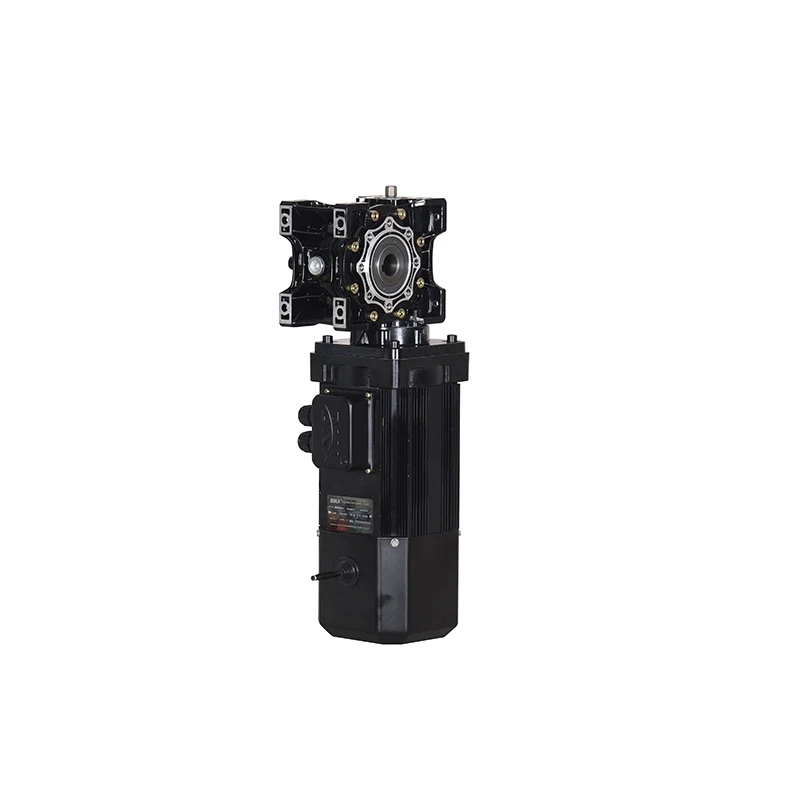
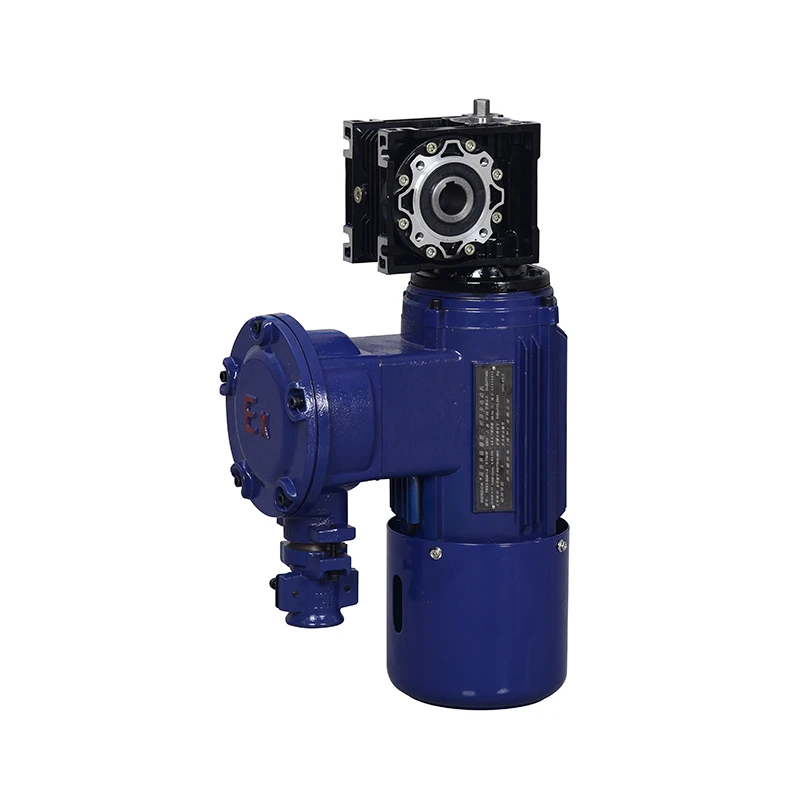
In conclusion, the main components of an industrial door geared motor work together to provide the power, control, and safety needed to operate industrial doors efficiently and reliably. As a supplier of industrial door geared motors, we offer a wide range of products, including Servo Geared Motor for High Speed Door, Flameproof Asynchronous Motor, Rapid Door 3 - Phase Geared Motor, Servo Geared Motor for Sectional Door, and Explosion - proof Servo Asynchronous Motor. Whether you are looking for a high - speed solution, a flame - proof option, or precise control for sectional doors, we have the right motor to meet your needs.
If you are interested in our industrial door geared motors or have any questions about the components and their applications, please do not hesitate to contact us for further discussion and procurement negotiation. We look forward to working with you to find the best motor solutions for your industrial door systems.
References
- "Industrial Electric Motors Handbook" by Isaac Asimov - This comprehensive handbook provides in - depth knowledge about different types of industrial motors, their components, and operation principles.
- "Power Transmission Handbook" by John D. Mabie and Fred W. Ocvirk - A great resource for understanding gearboxes and other power transmission components used in industrial applications.