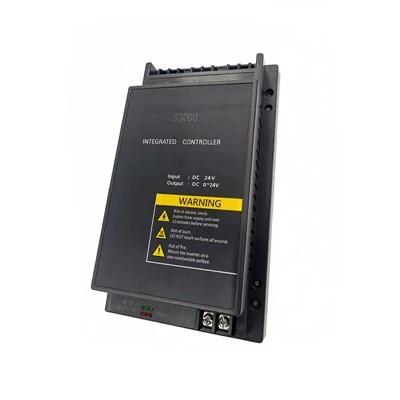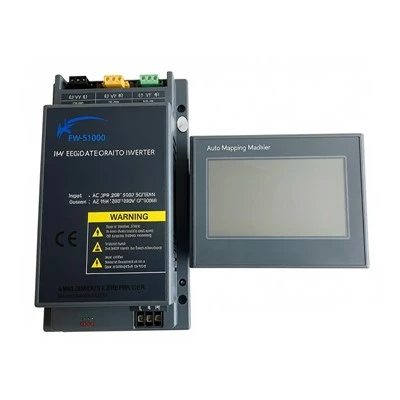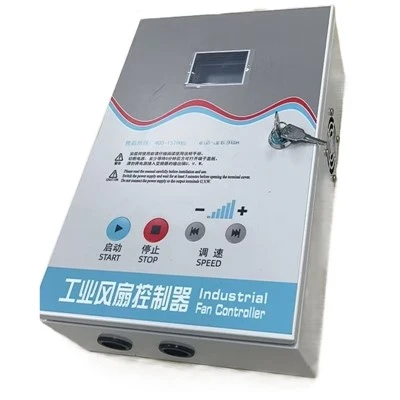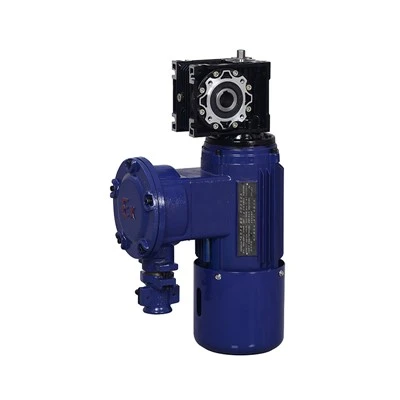

In the packaging industry, the wrapping machine text controller plays a crucial role in ensuring efficient and accurate text printing on wrapped products. As a trusted Wrapping Machine Text Controller supplier, we understand the significance of effectively managing text printing speed to meet the diverse requirements of our clients. This blog will delve into the mechanisms, factors, and strategies involved in how a wrapping machine text controller manages text printing speed.
Understanding the Basics of Text Printing Speed in Wrapping Machines
Text printing on wrapping machines is a process that requires precise synchronization with the overall operation of the machine. The text printing speed directly impacts the productivity and quality of the packaging. A too - slow printing speed can result in bottlenecks in the production line, reducing the overall output. On the other hand, an excessively fast printing speed may lead to poor print quality, such as blurred or incomplete text.
The wrapping machine text controller is the brain behind managing this speed. It receives input signals from various sensors and the control panel, and based on these inputs, it determines the appropriate speed for text printing. The controller takes into account the type of wrapping material, the length of the text to be printed, and the desired production rate.
Key Components and Their Roles in Speed Management
Print Head
The print head is the physical component responsible for actually applying the text onto the wrapping material. Different types of print heads, such as thermal transfer print heads or inkjet print heads, have different speed capabilities. The text controller communicates with the print head to adjust the firing rate of the nozzles (in the case of inkjet) or the heating elements (in the case of thermal transfer) to achieve the desired printing speed.
Conveyor System
The conveyor system moves the wrapped products through the printing area. The speed of the conveyor is closely linked to the text printing speed. The text controller ensures that the print head starts and stops printing at the correct positions on the moving product. It synchronizes the movement of the conveyor with the printing process, so that the text is printed accurately and continuously. For example, if the conveyor is moving too fast in relation to the printing speed, the text may be stretched or misaligned.
Sensors
Sensors are essential for providing real - time feedback to the text controller. There are sensors that detect the position of the product on the conveyor, the presence of the wrapping material, and the speed of the conveyor. This information is used by the controller to make adjustments to the text printing speed. For instance, if a sensor detects that the conveyor has suddenly slowed down, the controller can reduce the printing speed accordingly to maintain print quality.
Factors Affecting Text Printing Speed
Wrapping Material Characteristics
The type and surface properties of the wrapping material have a significant impact on the text printing speed. Absorbent materials may be able to handle faster printing speeds because the ink is quickly absorbed, resulting in a clear print. In contrast, non - absorbent or glossy materials may require slower printing speeds to allow the ink to dry or adhere properly. The text controller can be programmed to adjust the speed based on the specific wrapping material being used.
Complexity of the Text
The length, font size, and complexity of the text to be printed also affect the speed. Longer texts and more complex fonts take more time to print. The text controller analyzes the text data and calculates the appropriate printing speed to ensure that all the characters are printed accurately. For example, a serial number with a simple font can be printed faster compared to a promotional message with a decorative font.
Machine Capacity and Configuration
The overall capacity and configuration of the wrapping machine also play a role in determining the text printing speed. A high - end wrapping machine with a powerful motor and advanced control system may be able to handle faster printing speeds compared to a basic model. The text controller is designed to work within the limits of the machine's capabilities and can optimize the printing speed accordingly.
Strategies for Optimizing Text Printing Speed
Advanced Control Algorithms
Our Wrapping Machine Text Controllers are equipped with advanced control algorithms that can analyze multiple data points simultaneously. These algorithms take into account the factors mentioned above and make real - time adjustments to the text printing speed. For example, the algorithm can predict the optimal speed based on the historical data of similar printing jobs and the current machine conditions.


User - Friendly Interface
We understand that ease of use is crucial for our clients. Our text controllers feature a user - friendly interface that allows operators to easily set and adjust the text printing speed. They can input the specific parameters of the printing job, such as the wrapping material type and the text content, and the controller will automatically calculate the appropriate speed. This intuitive interface reduces the learning curve for operators and ensures efficient operation.
Integration with Other Systems
Our text controllers are designed to integrate seamlessly with other components of the wrapping machine system. For example, they can be connected to the 3 - in - 1 DC Driver, which provides power and control to the conveyor and other moving parts. This integration allows for better synchronization between the different components, leading to more efficient text printing speed management.
Case Studies: Real - World Examples of Speed Management
Let's consider a case study of a food packaging company that uses our wrapping machine text controller. They were facing issues with slow printing speeds and poor print quality on their packaging. After analyzing their production process, we found that the problem was due to an incorrect speed setting caused by the change in wrapping material. Our technical support team reconfigured the text controller to adjust the speed according to the new material. As a result, the printing speed increased by 30%, and the print quality improved significantly.
Another case is a pharmaceutical company that required high - precision text printing on their product labels. They were using a rotary pallet wrapper system. Our text controller was integrated with their Rotary Pallet Wrapper Full System. By optimizing the printing speed based on the specific requirements of the pharmaceutical labels, they were able to increase their production rate while maintaining the necessary print accuracy.
Conclusion: Achieving Efficiency through Effective Speed Management
In conclusion, managing text printing speed is a complex but crucial task in the operation of wrapping machines. Our Wrapping Machine Text Controllers are designed to address the various challenges associated with speed management. By considering factors such as wrapping material characteristics, text complexity, and machine capacity, and by implementing advanced control algorithms and user - friendly interfaces, we can help our clients achieve optimal text printing speeds.
If you are looking to improve the text printing speed and quality of your wrapping machines, we invite you to contact us for a detailed discussion. Our team of experts is ready to assist you in finding the best solution for your specific needs. Whether you are using a Mobile Wrapping Machine Full Set System, a Three - in - one Inverter for Stretch Wrapper, or a Closed Loop Vector Control Vfd, we have the expertise to enhance your productivity.
References
- Packaging Machinery Handbook, Second Edition.
- Text Printing Technologies for Industrial Applications: A Review.
- Case Studies in Packaging Automation and Control.