
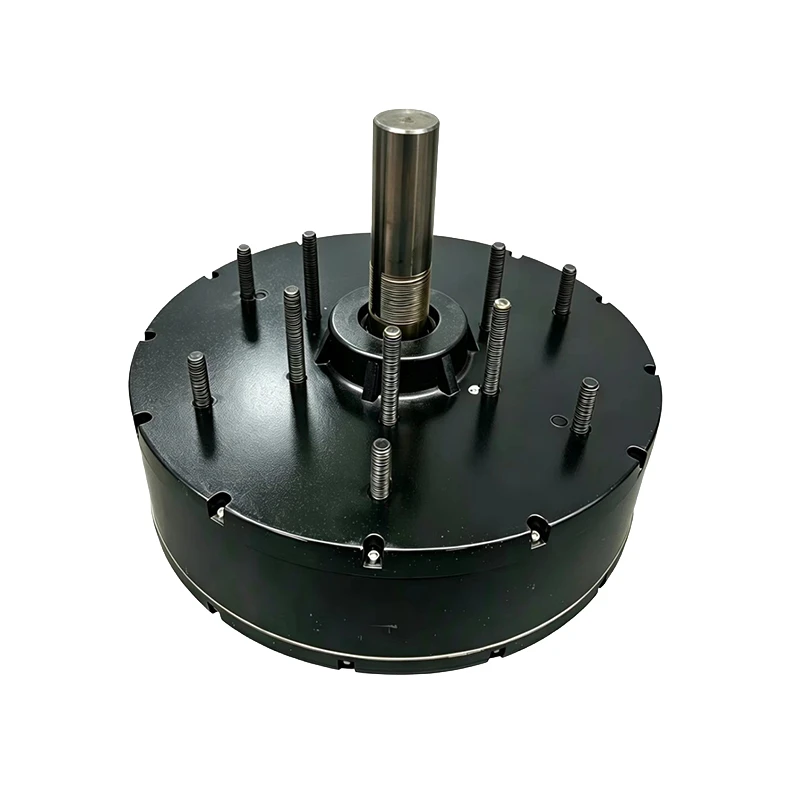
Optimizing the air gap in a PM Direct Drive Motor is crucial for enhancing its performance, efficiency, and overall longevity. As a supplier of PM Direct Drive Motor, I've gained a lot of hands - on experience and knowledge about this topic. In this blog, I'll share some key insights on how to achieve that optimal air gap.
Understanding the Air Gap in a PM Direct Drive Motor
First off, let's talk about what the air gap is. In a PM Direct Drive Motor, the air gap is the space between the rotor (the rotating part) and the stator (the stationary part). It might seem like just an empty space, but it plays a huge role in the motor's operation.
The magnetic field generated by the permanent magnets in the rotor has to cross this air gap to interact with the stator windings. A proper air gap ensures efficient magnetic coupling between the rotor and stator. If the air gap is too wide, the magnetic field strength weakens as it crosses the gap. This leads to a decrease in motor torque and efficiency. On the other hand, if the air gap is too narrow, there's a risk of mechanical contact between the rotor and stator, which can cause damage to the motor components and even lead to motor failure.
Factors Affecting the Optimal Air Gap
There are several factors to consider when determining the optimal air gap for a PM Direct Drive Motor:
1. Magnetic Circuit Design
The magnetic circuit design of the motor is a primary factor. Different motor designs have different requirements for the air gap. For example, a motor with a high - power density design might need a relatively smaller air gap to maximize the magnetic flux linkage. The shape and size of the permanent magnets on the rotor also influence the air gap. If the magnets are large and have a strong magnetic field, a slightly wider air gap might be acceptable without significant loss of performance.
2. Manufacturing Tolerances
Manufacturing tolerances play a big role in setting the air gap. During the manufacturing process, there can be slight variations in the dimensions of the rotor and stator. These variations can affect the actual air gap. As a manufacturer, we need to ensure tight control over these tolerances. For instance, using high - precision machining techniques for the rotor and stator components can help maintain a consistent air gap.
3. Operating Conditions
The operating conditions of the motor also matter. If the motor is going to operate in a high - vibration environment, a slightly wider air gap might be necessary to prevent mechanical contact between the rotor and stator due to vibrations. Similarly, if the motor is exposed to high temperatures, thermal expansion of the motor components can change the air gap. So, we need to account for these factors when determining the optimal air gap.
Methods to Optimize the Air Gap
Now that we understand the factors, let's look at some methods to optimize the air gap:
1. Pre - Assembly Inspection
Before assembling the motor, it's essential to conduct a detailed inspection of the rotor and stator components. Measure the dimensions of the rotor and stator accurately to ensure they meet the design specifications. Check for any surface irregularities or defects that could affect the air gap. For example, if there are burrs on the stator windings, they can cause an uneven air gap. By identifying and correcting these issues early, we can start with a better - positioned assembly.
2. Assembly Techniques
During the assembly process, proper alignment of the rotor and stator is crucial. Use precision tools and fixtures to ensure that the rotor is centered within the stator. Some motors come with alignment marks on the rotor and stator, which can be used as a guide. Additionally, using shims can be an effective way to adjust the air gap. Shims are thin pieces of material that can be placed between the motor housing and the stator to fine - tune the air gap width.
3. Testing and Adjustment
After the motor is assembled, it's important to test it and measure the air gap. There are various methods to measure the air gap, such as using feeler gauges or non - contact sensors. If the measured air gap is not within the optimal range, adjustments can be made. For example, if the air gap is too wide, the shims can be replaced with thinner ones. If it's too narrow, thicker shims can be used.
Comparing with Other Motor Types
It's interesting to compare the air gap optimization in PM Direct Drive Motors with other motor types. Take the Permanent Magnet Dc Gear Motor and the 3 Phase Induction Motor with Gearbox for example.
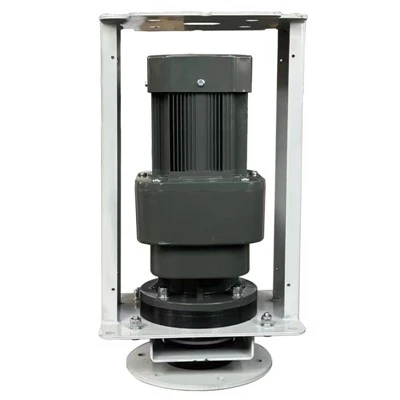
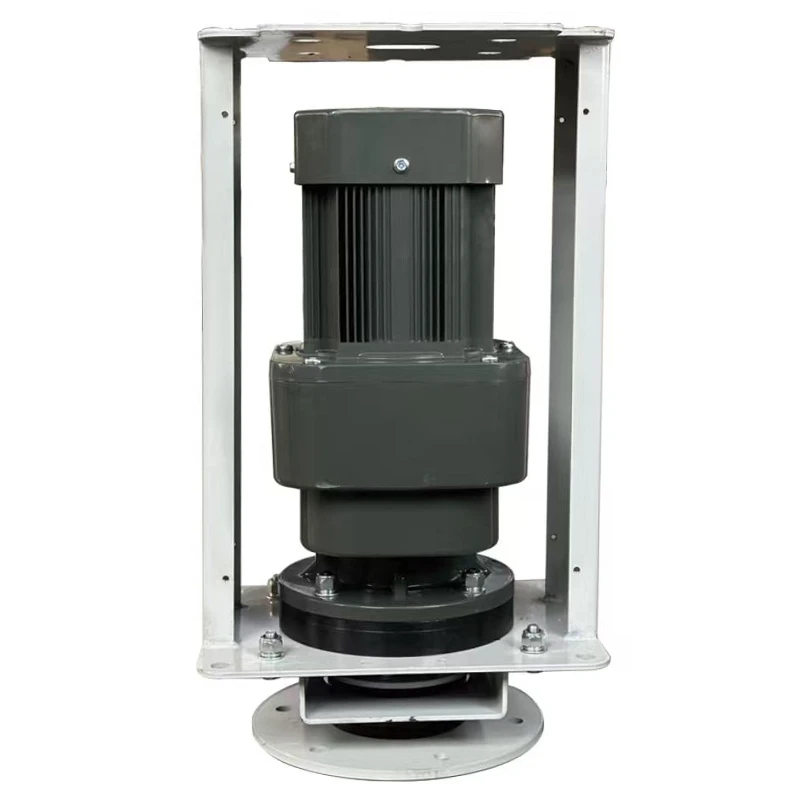
In a Permanent Magnet Dc Gear Motor, the air gap also affects the motor's performance, but the presence of a gearbox adds another layer of complexity. The gearbox can introduce vibrations and misalignments, which can indirectly impact the air gap. So, when optimizing the air gap in a Permanent Magnet Dc Gear Motor, we need to consider not only the motor itself but also the interaction between the motor and the gearbox.
In a 3 Phase Induction Motor with Gearbox, the air gap has a different set of requirements. The magnetic field in an induction motor is created by the stator windings, and the rotor is a squirrel - cage or wound rotor. The air gap affects the motor's starting torque, efficiency, and power factor. However, compared to a PM Direct Drive Motor, the magnetic field in an induction motor is less sensitive to small variations in the air gap.
The Importance of Air Gap Optimization
Optimizing the air gap in a PM Direct Drive Motor has several benefits. Firstly, it improves the motor's efficiency. A well - optimized air gap ensures that the magnetic field is transferred efficiently between the rotor and stator, reducing energy losses. This can lead to significant cost savings over the motor's lifetime, especially in applications where the motor operates continuously.
Secondly, it enhances the motor's reliability. By preventing mechanical contact between the rotor and stator, we reduce the risk of component damage and motor failure. This means less downtime for maintenance and repairs, which is crucial for many industrial applications.
Finally, it can improve the motor's performance. A properly optimized air gap can increase the motor's torque density, allowing it to provide more power in a smaller package. This is particularly important in applications where space is limited.
Wrapping Up and Invitation to Contact
In conclusion, optimizing the air gap in a PM Direct Drive Motor is a multi - faceted process that requires a good understanding of the motor's design, manufacturing, and operating conditions. It's not just about setting a specific air gap value but also about ensuring that the air gap remains stable over the motor's lifetime.
If you're in the market for a high - performance PM Direct Drive Motor or need advice on air gap optimization, don't hesitate to reach out. We're here to help you find the best motor solution for your needs and ensure that you get the most out of your investment.
References
- Chapman, S. J. (2012). Electric Machinery Fundamentals. McGraw - Hill.
- Krause, P. C., Wasynczuk, O., & Sudhoff, S. D. (2013). Analysis of Electric Machinery and Drive Systems. Wiley.