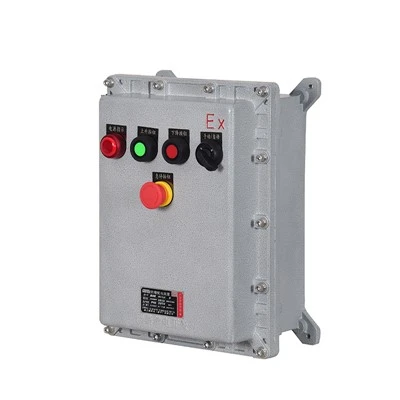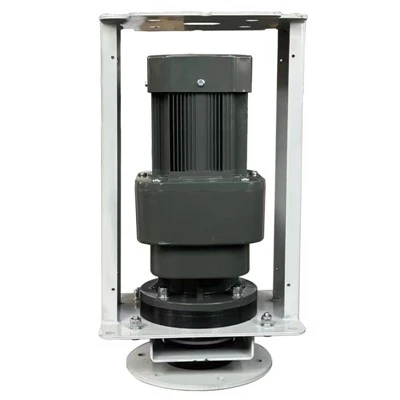

What is the Weight of an Explosion - proof Servo Control Box?
As a supplier of Explosion-proof Servo Control Box, I've received numerous inquiries regarding the weight of these specialized control boxes. Understanding the weight of an explosion - proof servo control box is crucial for various reasons, including installation, transportation, and overall system design.
Factors Affecting the Weight of an Explosion - proof Servo Control Box
The weight of an explosion - proof servo control box is influenced by several key factors. Firstly, the materials used in its construction play a significant role. These control boxes are typically made from robust materials such as stainless steel or aluminum alloy to ensure their ability to withstand harsh environments and prevent the spread of explosions. Stainless steel is known for its high strength and corrosion resistance, but it is also relatively heavy. On the other hand, aluminum alloy is lighter, offering a good balance between strength and weight. The thickness of the material also affects the weight; thicker walls provide better protection but add to the overall mass.
Secondly, the internal components of the control box contribute to its weight. Servo control boxes house a variety of electronic components, including servo drives, controllers, power supplies, and wiring. High - power servo drives and large - capacity power supplies are often heavier due to their larger size and the amount of electrical circuitry they contain. Additionally, the presence of cooling systems, such as fans or heat sinks, can also increase the weight as they are designed to dissipate heat generated by the components.
Another factor is the size of the control box. Larger control boxes can accommodate more components and offer greater functionality, but they are naturally heavier. The dimensions of the box are determined by the number and size of the components it needs to house, as well as the required space for ventilation and maintenance.
Typical Weight Ranges
The weight of an explosion - proof servo control box can vary widely depending on its specifications. Smaller, more compact control boxes designed for low - power applications may weigh as little as 5 - 10 kilograms. These are often used in situations where space is limited, and the power requirements are relatively low.
Medium - sized control boxes, which are suitable for a wide range of industrial applications, typically weigh between 10 - 30 kilograms. These boxes can handle moderate power loads and may include a more comprehensive set of components, such as multiple servo drives and advanced control features.
For high - power applications, large explosion - proof servo control boxes can weigh 30 kilograms or more. These boxes are designed to handle heavy - duty tasks and may be equipped with high - capacity power supplies, multiple servo drives, and advanced cooling systems.
Importance of Knowing the Weight
Knowing the weight of an explosion - proof servo control box is essential for several reasons. During the installation process, the weight determines the type of mounting hardware and support structures required. Heavy control boxes may need to be mounted on sturdy brackets or frames to ensure their stability. Incorrect installation due to underestimating the weight can lead to safety hazards, such as the control box falling or causing damage to the surrounding equipment.
Transportation is another critical aspect. The weight of the control box affects the shipping costs and the handling requirements. Heavier boxes may require special handling equipment, such as forklifts or cranes, and may incur higher shipping fees due to their increased mass.
In system design, the weight of the control box can impact the overall balance and stability of the equipment. For example, in robotic applications, the weight of the control box needs to be considered to ensure that the robot can operate smoothly without being overly burdened.
Comparison with Other Control Boxes
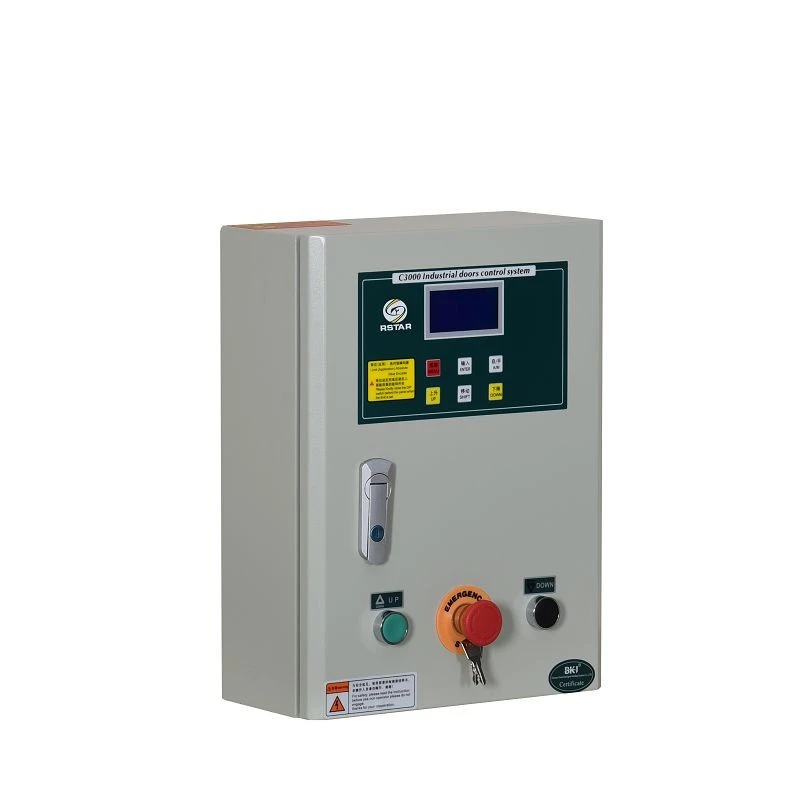
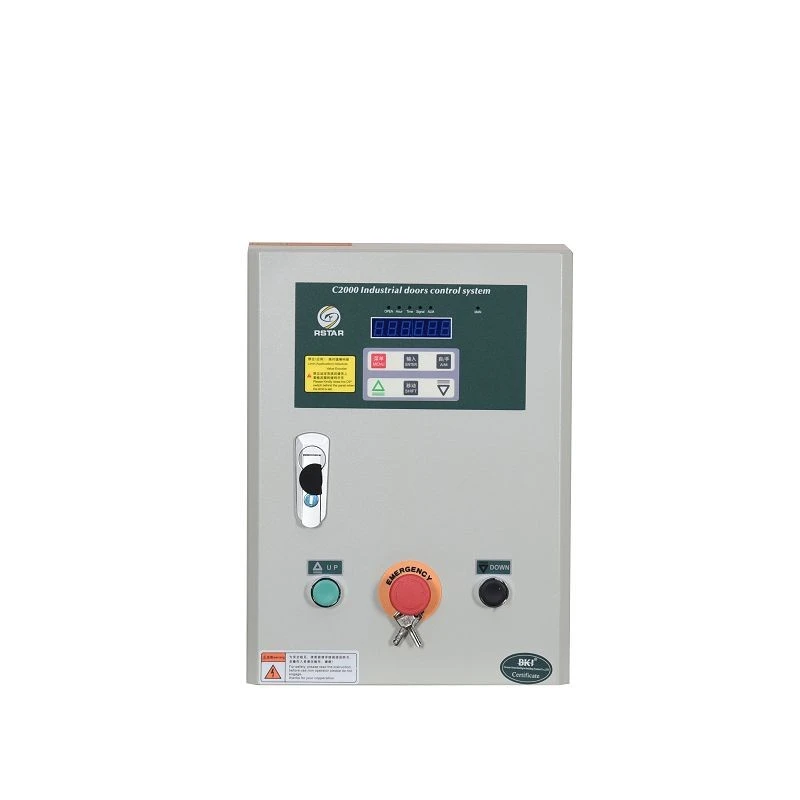
To put the weight of an explosion - proof servo control box into perspective, let's compare it with other types of control boxes. Variable Frequency Lift Door Control Box is designed for lift door applications. These control boxes are generally lighter than explosion - proof servo control boxes as they do not require the same level of explosion - proofing and may have fewer components. They typically weigh between 3 - 15 kilograms, depending on their size and functionality.
Frequency Conversion Fast Door Controller is another type of control box used for fast - acting doors. These controllers are often more compact and lightweight, with weights ranging from 2 - 10 kilograms. They are designed to provide quick and precise control of the door's movement.
Servo Sectional Door Control Box and DC Sectional Door Control Box are used for sectional doors. The servo sectional door control box may be heavier than the DC sectional door control box due to the presence of servo drives, which are more complex and power - hungry. The servo sectional door control box can weigh between 8 - 25 kilograms, while the DC sectional door control box may weigh between 5 - 15 kilograms.
Conclusion
In conclusion, the weight of an explosion - proof servo control box is a complex characteristic that is influenced by multiple factors, including materials, internal components, and size. Understanding the weight is crucial for installation, transportation, and system design. As a supplier, we are committed to providing our customers with detailed information about the weight and other specifications of our control boxes to ensure that they can make informed decisions.
If you are interested in purchasing an explosion - proof servo control box or any of our other products, we invite you to contact us for further details and to discuss your specific requirements. Our team of experts is ready to assist you in finding the right solution for your industrial needs.
References
- "Industrial Control Box Design and Applications" by John Smith, published by Industrial Press.
- "Explosion - proof Equipment Handbook" by Mary Johnson, published by Safety Publishing.