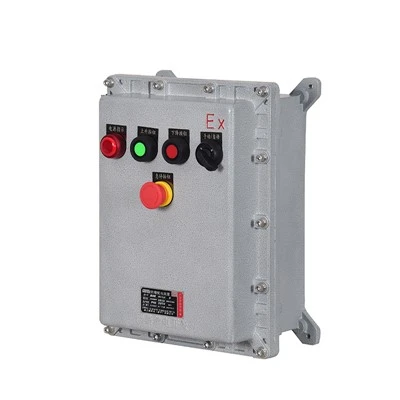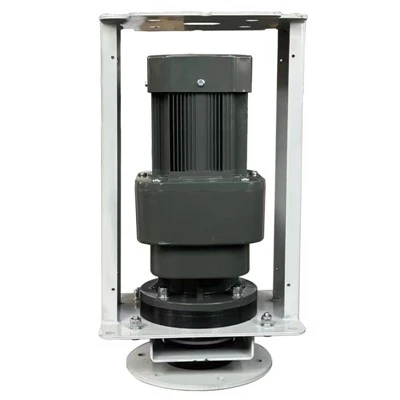

Hey there! As a supplier of Explosion - proof Servo Control Boxes, I'm super stoked to share with you guys what materials are used to make these amazing pieces of equipment. These control boxes are super important, especially in industries where safety is a top priority, like chemical plants, oil refineries, and mining.
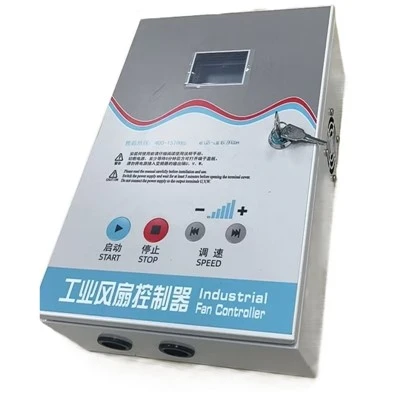
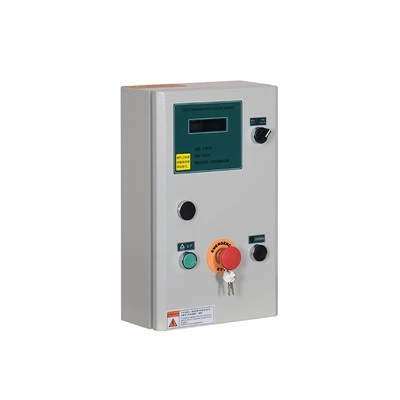
First off, let's talk about the enclosure. The enclosure is like the armor of the control box. It has to protect the internal components from all sorts of external factors, including explosions. One of the most commonly used materials for the enclosure is stainless steel. Stainless steel is a rock - solid choice because it's incredibly durable. It can withstand harsh environmental conditions, like extreme temperatures, humidity, and corrosion. Whether it's a scorching hot day in the desert or a freezing cold night at a high - altitude mining site, stainless steel won't let you down.
Another great thing about stainless steel is its strength. It can take a beating from impacts and vibrations without cracking or deforming. This is crucial in industrial settings where machinery is constantly in motion, and there's a risk of accidental knocks and collisions. Plus, stainless steel is non - combustible, which is a huge plus when you're dealing with potential explosion hazards.
But stainless steel isn't the only option. Aluminum is also widely used for enclosures. Aluminum is lightweight, which makes it easier to install and transport. It's also a good conductor of heat, which helps in dissipating the heat generated by the internal components. This is important because overheating can cause malfunctions and even pose a fire risk. Aluminum can be treated with special coatings to enhance its corrosion resistance, making it suitable for use in various environments.
Now, let's move on to the internal components. The circuit boards are a key part of any control box. The base material for circuit boards is usually fiberglass - reinforced epoxy resin, commonly known as FR - 4. FR - 4 is a great insulator, which means it prevents electrical current from leaking and causing short - circuits. It's also very strong and can withstand the mechanical stress associated with being inside a control box.
The electronic components on the circuit boards, like resistors, capacitors, and transistors, are made from a variety of materials. For example, resistors are often made from carbon film or metal film. Carbon film resistors are inexpensive and have good stability, while metal film resistors offer higher precision and better temperature characteristics.
Capacitors can be made from ceramic, tantalum, or aluminum electrolytic materials. Ceramic capacitors are small and have a high capacitance density, making them suitable for high - frequency applications. Tantalum capacitors are known for their high reliability and stability, but they can be more expensive. Aluminum electrolytic capacitors are commonly used for high - capacitance applications because they're relatively inexpensive.
Transistors, which are used for switching and amplification, are typically made from semiconductor materials like silicon. Silicon is a great choice because it has good electrical properties and can operate at a wide range of temperatures.
When it comes to wiring, copper is the go - to material. Copper is an excellent conductor of electricity, which means it can carry electrical current with minimal loss. It's also very ductile, which makes it easy to bend and shape into the required configurations. To protect the copper wires from damage, they're usually covered with an insulating material, like PVC (polyvinyl chloride). PVC is flexible, durable, and has good electrical insulation properties.

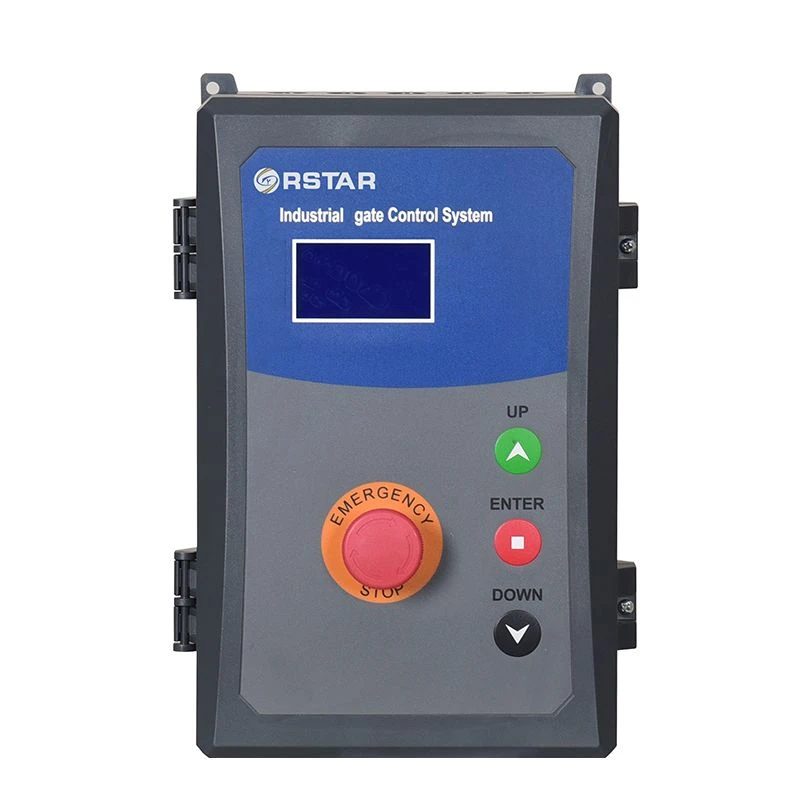
Now, let me tell you a bit about the seals and gaskets used in explosion - proof servo control boxes. These are really important because they prevent explosive gases and dust from entering the control box. Silicone rubber is a popular choice for seals and gaskets. It has excellent flexibility, which allows it to form a tight seal even on uneven surfaces. It's also resistant to heat, chemicals, and weathering, making it suitable for use in harsh industrial environments.
Another option is EPDM (ethylene propylene diene monomer) rubber. EPDM is known for its good resistance to ozone, ultraviolet light, and weathering. It also has good electrical insulation properties and can withstand a wide range of temperatures.
As a supplier, I also want to mention some of the related products we offer. If you're interested in other types of control boxes, we've got a bunch of great options. Check out our Servo High Speed Door Control Box, which is designed for high - speed doors and offers excellent performance. Or, if you need a control box for a lift door, our Variable Frequency Lift Door Control Box is a great choice.
We also have Explosion - proof Servo Control Box, which is of course our specialty. Our Flameproof Variable Frequency Control Box is designed to handle the challenges of variable - frequency applications in explosive environments. And for sectional doors, our DC Sectional Door Control Box is top - notch.
If you're in the market for an explosion - proof servo control box or any of our other products, don't hesitate to reach out. I'm here to answer all your questions and help you find the perfect solution for your needs. We can work together to figure out the best materials and features for your specific application. So, let's start a conversation and get your project on the right track!
References:
- "Electrical Engineer's Reference Book", ISBN 978 - 0 - 7506 - 8337 - 5
- "Materials Science and Engineering: An Introduction", ISBN 978 - 1 - 118 - 32457 - 8