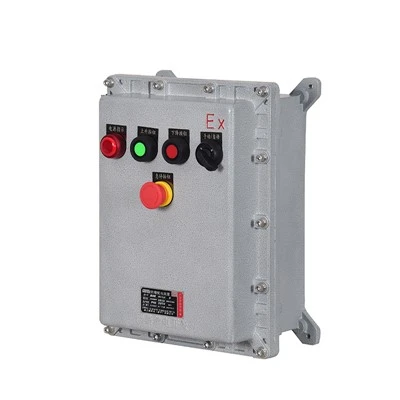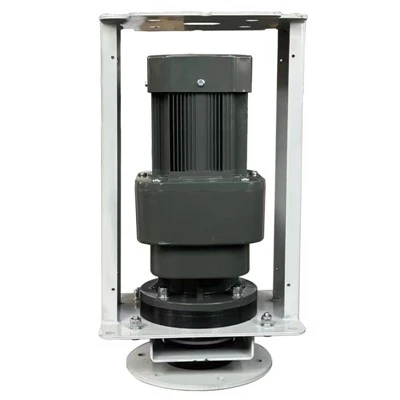

As a supplier of BLDC Ceiling Fan Controllers, I often encounter inquiries regarding the communication protocols used by these devices. In this blog post, I'll delve into the details of the communication protocols employed in BLDC ceiling fan controllers, sharing insights and expertise to help you better understand these technologies.
Understanding BLDC Ceiling Fan Controllers
Before delving into communication protocols, it's essential to understand what BLDC ceiling fan controllers are and how they function. BLDC, or brushless DC, motors are becoming increasingly popular in ceiling fans due to their energy efficiency, low noise operation, and long lifespan. A BLDC ceiling fan controller is a device that manages the speed, direction, and other functions of a BLDC ceiling fan motor.
These controllers typically use power electronics to convert DC power from a power source into the appropriate voltage and current signals to drive the BLDC motor. They also incorporate control algorithms to adjust the motor's performance based on user input or environmental conditions.
Common Communication Protocols
BLDC ceiling fan controllers can use various communication protocols to communicate with other devices, such as wall switches, remote controls, or smart home systems. Here are some of the most common protocols:
1. Pulse Width Modulation (PWM)
PWM is a simple and widely used communication protocol in BLDC fan controllers. It works by varying the width of electrical pulses sent to the motor to control its speed. The wider the pulse, the more power is delivered to the motor, resulting in a higher speed. Conversely, a narrower pulse delivers less power, reducing the motor speed.
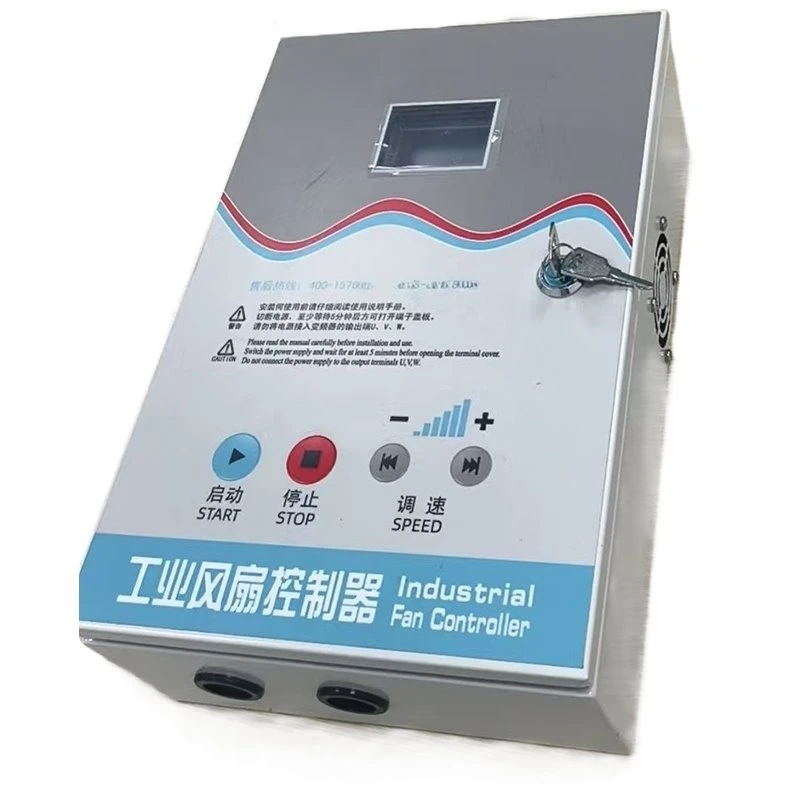
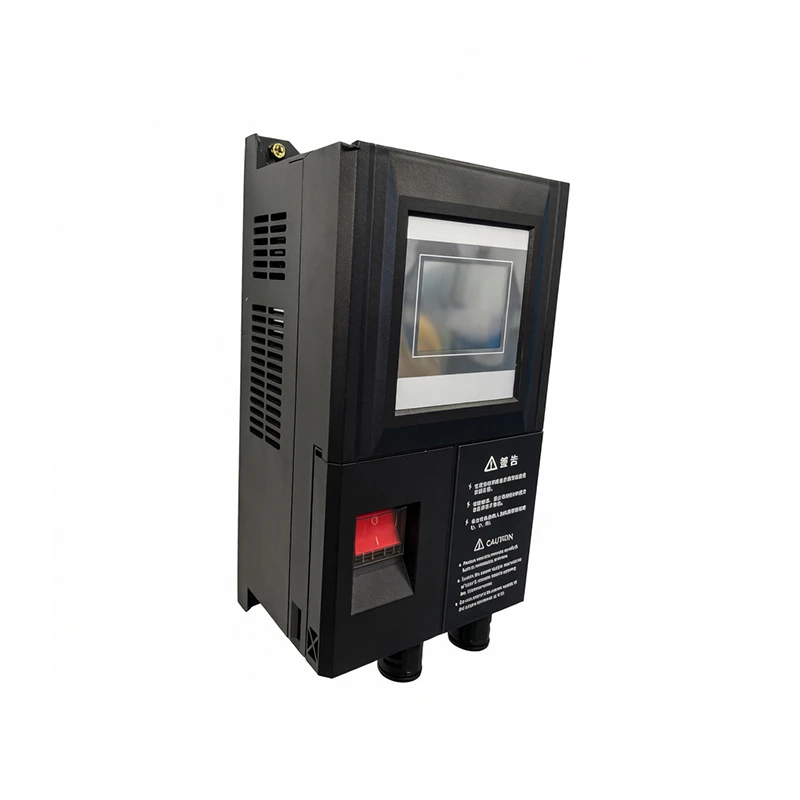
One of the advantages of PWM is its simplicity and low cost. It can be easily implemented using analog or digital circuits, making it suitable for basic fan control applications. However, PWM has limitations in terms of precision and communication range, which may not be sufficient for more advanced smart home integration.
2. Infrared (IR)
IR communication is commonly used in remote controls for BLDC ceiling fans. Infrared signals are sent from the remote control to a receiver on the fan controller, allowing users to adjust the fan speed, direction, and other settings. IR communication is simple, affordable, and widely supported by consumer electronics.
The key advantage of IR is its ease of use and compatibility with existing remote control systems. However, IR has limited range and requires a direct line of sight between the remote control and the receiver, which can be inconvenient in some applications.
3. Radio Frequency (RF)
RF communication is another popular option for BLDC ceiling fan controllers, especially in smart home applications. RF signals can penetrate walls and other obstacles, providing greater flexibility and range compared to IR. RF protocols, such as Zigbee, Z-Wave, and Bluetooth, are commonly used in smart home systems to enable wireless communication between devices.
Zigbee and Z-Wave are low-power, mesh networking protocols that allow multiple devices to communicate with each other over a wireless network. They are ideal for smart home applications where multiple devices need to be connected and controlled. Bluetooth, on the other hand, is a short-range wireless protocol that is commonly used for pairing mobile devices with smart home devices, such as BLDC ceiling fan controllers.
The advantages of RF communication include its long range, flexibility, and ability to integrate with smart home ecosystems. However, RF communication can be more complex and expensive than IR or PWM, requiring additional hardware and software support.
4. RS-485
RS-485 is a serial communication protocol commonly used in industrial applications and building automation systems. It supports long-distance communication over a two-wire bus, making it suitable for applications where multiple BLDC fan controllers need to be connected and controlled from a central location.
RS-485 offers several advantages, including high noise immunity, long communication distances, and the ability to support multiple nodes on a single bus. It is commonly used in commercial buildings, hotels, and other large-scale applications where centralized control of ceiling fans is required.
Choosing the Right Communication Protocol
When choosing a communication protocol for a BLDC ceiling fan controller, several factors need to be considered:
- Application Requirements: Consider the specific requirements of your application, such as the range, precision, and number of devices that need to be connected. For basic home use, a simple protocol like PWM or IR may be sufficient, while more advanced smart home applications may require the use of RF or RS-485.
- Compatibility: Ensure that the communication protocol is compatible with other devices in your system, such as wall switches, remote controls, or smart home hubs. Compatibility issues can lead to communication failures and additional costs for integration.
- Cost: Consider the cost of implementing the communication protocol, including the cost of hardware, software, and any additional accessories. Simple protocols like PWM and IR are generally more affordable than RF or RS-485, which may require more expensive components and development efforts.
- Scalability: If you plan to expand your system in the future, choose a communication protocol that is scalable and can support additional devices. RF protocols like Zigbee and Z-Wave are designed to be scalable, making them a good choice for large-scale smart home applications.
Our Product Offerings
As a leading supplier of BLDC Ceiling Fan Controllers, we offer a range of products that support different communication protocols to meet the diverse needs of our customers. Our controllers are designed with high-quality components and advanced control algorithms to ensure reliable performance and energy efficiency.
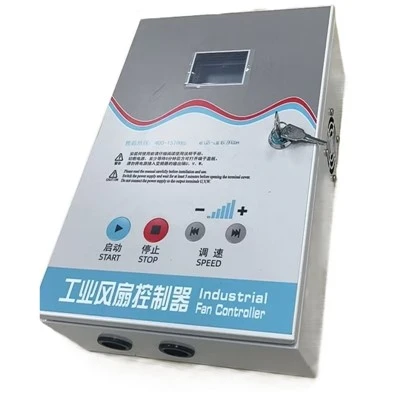
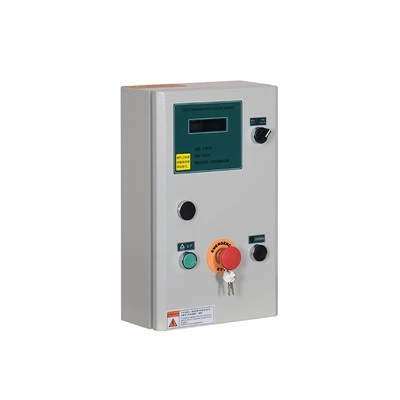
In addition to BLDC ceiling fan controllers, we also offer other products, such as 3 Phase Asynchronous Fan Control Box, Permanent Magnet Fan Control Box, and Three-phase Asynchronous Fan Controller, which are suitable for various industrial and commercial applications.
Contact Us for Procurement
If you are interested in our BLDC ceiling fan controllers or other products, we invite you to contact us for procurement discussions. Our experienced sales team will be happy to provide you with detailed product information, technical support, and competitive pricing. Whether you are a homeowner, contractor, or distributor, we can help you find the right solution for your needs.
References
- Dorf, R. C., & Bishop, R. H. (2016). Modern Control Systems. Pearson.
- Mohan, N., Undeland, T. M., & Robbins, W. P. (2012). Power Electronics: Converters, Applications, and Design. Wiley.
- Rashid, M. H. (2011). Power Electronics: Circuits, Devices, and Applications. Pearson.