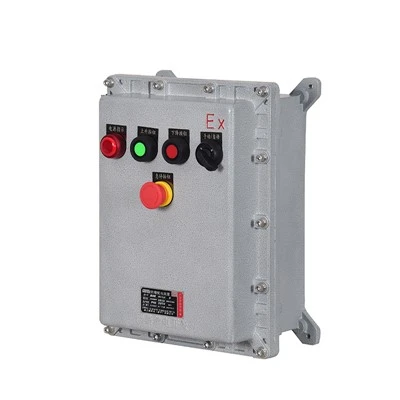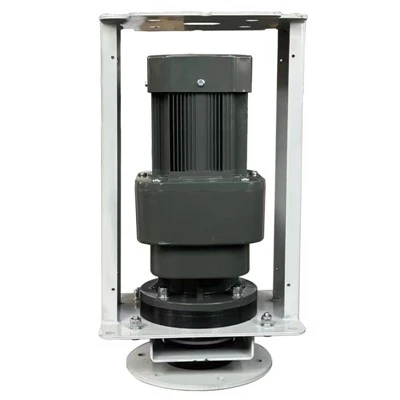

As a supplier of Three-phase Induction Reduction Motors, I understand the importance of proper maintenance to ensure the longevity and optimal performance of these essential pieces of equipment. In this blog post, I will delve into the various types of maintenance required for a three-phase induction reduction motor, providing valuable insights for both operators and technicians.
1. Routine Visual Inspections
Routine visual inspections are the first line of defense in maintaining a three-phase induction reduction motor. These inspections should be conducted regularly, preferably on a daily or weekly basis, depending on the motor's usage.
- Check for Physical Damage: Look for any signs of physical damage such as cracks, dents, or signs of overheating on the motor casing. A damaged casing can lead to ingress of dust, moisture, or other contaminants, which can cause internal damage to the motor.
- Inspect the Electrical Connections: Ensure that all electrical connections are tight and free from corrosion. Loose connections can cause arcing, which can lead to overheating and potential motor failure. Corroded connections can increase resistance, leading to reduced efficiency and increased energy consumption.
- Examine the Cooling System: The cooling system is crucial for maintaining the motor's temperature within the acceptable range. Check the cooling fans for proper rotation and ensure that the cooling fins are clean and free from debris. A blocked or malfunctioning cooling system can cause the motor to overheat, leading to premature failure.
2. Lubrication
Proper lubrication is essential for the smooth operation of a three-phase induction reduction motor. The gears and bearings within the motor rely on lubrication to reduce friction and wear.
- Choose the Right Lubricant: Select a lubricant that is specifically designed for use in induction reduction motors. The lubricant should have the appropriate viscosity and additives to provide adequate protection under the motor's operating conditions.
- Follow the Lubrication Schedule: Refer to the motor's manufacturer's recommendations for the lubrication schedule. Over-lubrication can cause the motor to overheat, while under-lubrication can lead to increased friction and wear.
- Check the Lubricant Levels: Regularly check the lubricant levels in the gearbox and bearings. If the lubricant level is low, add the appropriate amount of lubricant as recommended by the manufacturer.
3. Electrical Testing
Electrical testing is an important part of motor maintenance. It helps to identify potential electrical problems before they cause motor failure.
- Insulation Resistance Testing: This test measures the resistance of the motor's insulation to electrical current. A low insulation resistance value may indicate moisture ingress or insulation damage, which can lead to electrical shorts and motor failure.
- Winding Resistance Testing: Winding resistance testing measures the resistance of the motor's windings. A significant change in winding resistance can indicate a short circuit or an open circuit in the windings, which requires immediate attention.
- Power Quality Testing: Power quality testing measures the voltage, current, and frequency of the electrical supply to the motor. Poor power quality, such as voltage sags, surges, or harmonics, can cause the motor to operate inefficiently and may lead to premature failure.
4. Alignment and Balance
Proper alignment and balance are crucial for the smooth operation of a three-phase induction reduction motor. Misalignment and imbalance can cause excessive vibration, which can lead to increased wear and tear on the motor's components and premature failure.
- Shaft Alignment: Ensure that the motor shaft is properly aligned with the driven equipment. Misalignment can cause increased stress on the motor bearings and couplings, leading to premature wear and failure.
- Rotor Balance: A balanced rotor is essential for smooth motor operation. An unbalanced rotor can cause excessive vibration, which can lead to increased noise, reduced efficiency, and premature failure. Regularly check the rotor balance and perform balancing as necessary.
5. Environmental Considerations
The environment in which the three-phase induction reduction motor operates can have a significant impact on its performance and lifespan.
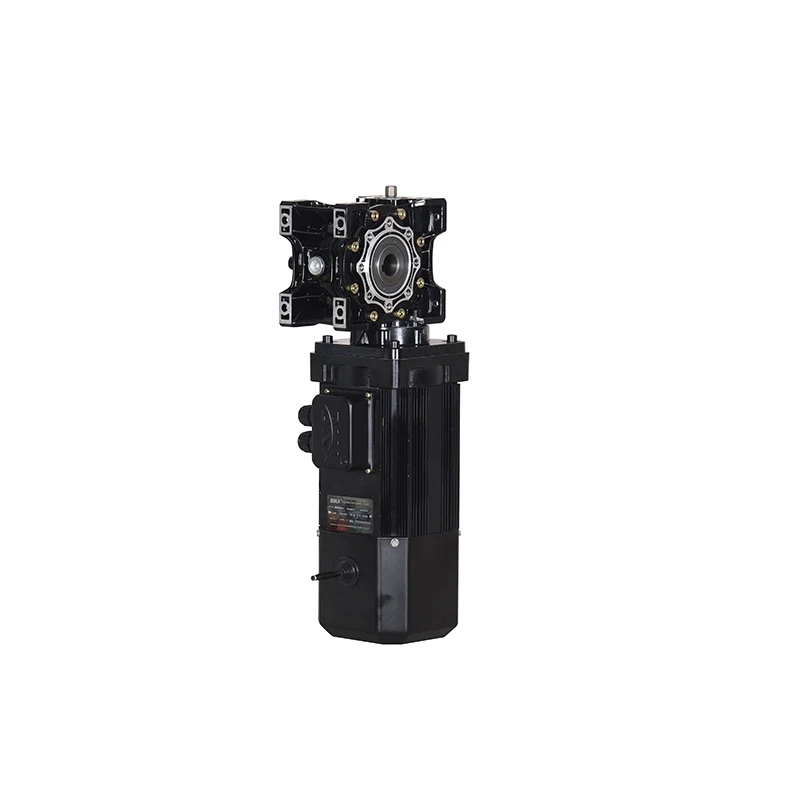
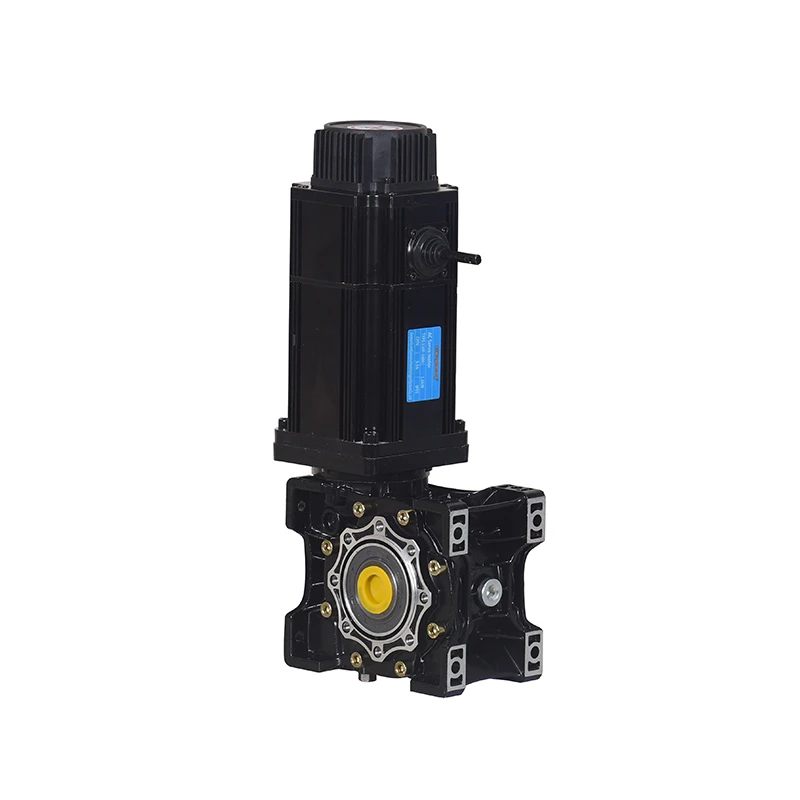
- Temperature and Humidity: Extreme temperatures and high humidity can affect the motor's insulation and lubrication. Ensure that the motor is installed in an environment with suitable temperature and humidity levels. If necessary, install additional cooling or heating equipment to maintain the optimal operating conditions.
- Dust and Contaminants: Dust, dirt, and other contaminants can accumulate on the motor's components, causing increased wear and reducing the motor's efficiency. Regularly clean the motor and its surroundings to prevent the build-up of contaminants.
- Chemicals and Corrosive Substances: Exposure to chemicals and corrosive substances can damage the motor's casing, windings, and other components. If the motor is installed in an environment where it may be exposed to such substances, ensure that it is properly protected with suitable coatings or enclosures.
Conclusion
Proper maintenance of a three-phase induction reduction motor is essential for ensuring its reliable and efficient operation. By following a regular maintenance schedule that includes routine visual inspections, lubrication, electrical testing, alignment and balance checks, and environmental considerations, you can extend the lifespan of your motor and reduce the risk of unexpected breakdowns.
If you are in the market for a high-quality Three-phase Induction Reduction Motor, we have a wide range of products to meet your needs. Our motors are designed and manufactured to the highest standards, ensuring reliable performance and long service life. We also offer a variety of other industrial door geared motors, such as Servo Geared Motor for Sectional Door, Rapid Door 3-Phase Geared Motor, Servo Geared Motor for High Speed Door, and Flameproof Asynchronous Motor.
If you have any questions about our products or need assistance with motor maintenance, please feel free to contact us for a consultation and potential purchase negotiation.
References
- Electric Motor Handbook, various editions
- Manufacturer's manuals for three-phase induction reduction motors