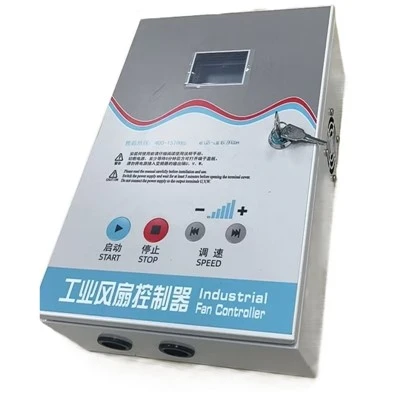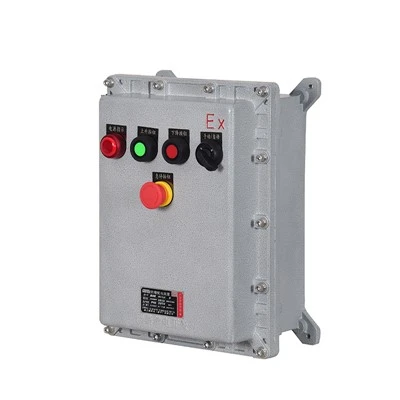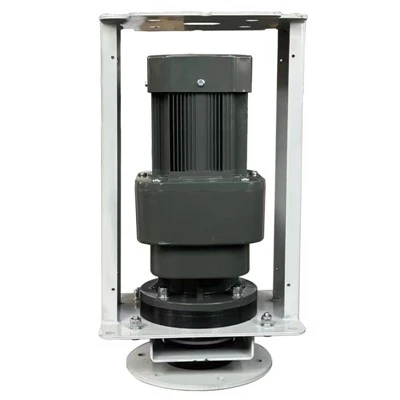

Well, folks, as a supplier of Three - phase Asynchronous Fan Controllers, I often get asked, "What is the lifespan of a three - phase asynchronous fan controller?" It's a great question, and today, I'm gonna break it down for you.
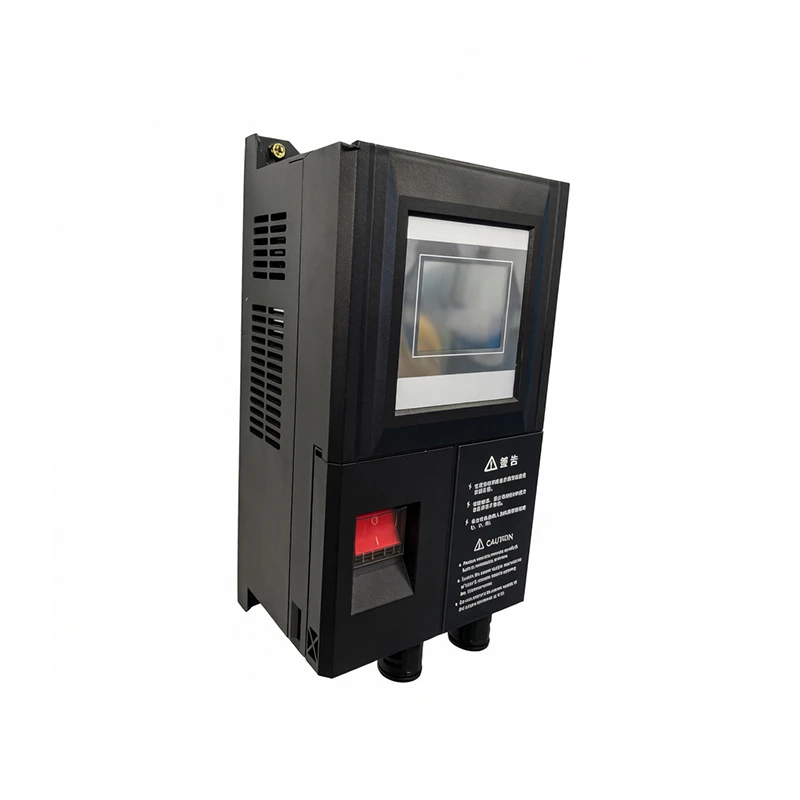
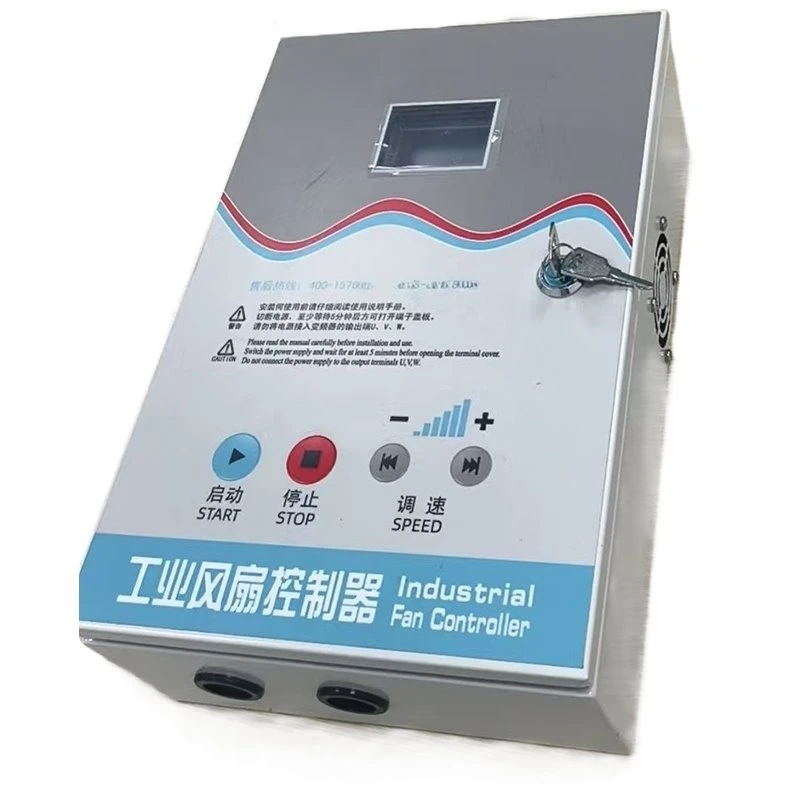
First things first, let's understand what a three - phase asynchronous fan controller is. This nifty device is used to regulate the speed and operation of three - phase asynchronous fans. These fans are commonly found in industrial settings, such as factories, warehouses, and commercial buildings. The controller acts as the brain of the fan, ensuring it runs smoothly and efficiently.
Now, the lifespan of a three - phase asynchronous fan controller can vary quite a bit. There are several factors that come into play, and I'll go through them one by one.
Quality of Components
The quality of the components used in the controller is a huge factor. High - quality capacitors, resistors, and integrated circuits are more likely to last longer. Cheaper components may save you some money upfront, but they're more prone to failure. For example, a low - quality capacitor might dry out or lose its capacitance over time, leading to erratic fan operation or even a complete breakdown. At our company, we always use top - notch components in our Three - phase Asynchronous Fan Controllers. This helps us ensure that our products have a longer lifespan and better performance.
Operating Conditions
The environment in which the controller operates also matters a great deal. If the controller is exposed to high temperatures, high humidity, or a lot of dust, its lifespan will be significantly reduced. High temperatures can cause the components to overheat, which can lead to thermal stress and eventually failure. Humidity can cause corrosion of the metal parts, and dust can accumulate on the components, affecting their performance.
In industrial settings where there's a lot of machinery running, the controller may also be subjected to electrical noise. This electrical interference can disrupt the normal operation of the controller and cause premature aging. To counter these issues, we design our controllers with proper protection features. For example, we use heat sinks to dissipate heat, and we seal the controllers to prevent dust and moisture from getting in.
Usage Frequency
How often the controller is used also impacts its lifespan. If the controller is constantly running at a high load, it will wear out faster. For instance, in a factory where the fans are running 24/7 to keep the air circulating, the controller will be under a lot more stress compared to a situation where the fans are only used intermittently.
We recommend that our customers follow the recommended usage guidelines for our Three - phase Asynchronous Fan Controllers. This can help extend the lifespan of the product and ensure reliable operation.
Maintenance
Regular maintenance is key to ensuring the longevity of a three - phase asynchronous fan controller. This includes checking for loose connections, cleaning the components, and inspecting for any signs of wear or damage. By performing routine maintenance, you can catch any potential issues early on and prevent major breakdowns.
We provide our customers with detailed maintenance instructions for our controllers. If you're not sure how to carry out the maintenance, our technical support team is always ready to help.
On average, a well - maintained three - phase asynchronous fan controller can last anywhere from 5 to 10 years. However, if it's used in harsh conditions or isn't properly maintained, its lifespan could be significantly shorter, maybe only 2 to 3 years.
Now, let's compare the three - phase asynchronous fan controller with other types of fan controllers.
Comparison with BLDC Ceiling Fan Controller
A BLDC Ceiling Fan Controller is designed for ceiling fans. These controllers are usually used in residential or small - scale commercial settings. They operate on a different principle compared to three - phase asynchronous fan controllers. BLDC controllers are known for their high efficiency and low power consumption. However, they're typically not designed to handle the high loads and continuous operation that three - phase asynchronous fan controllers are built for. So, in terms of lifespan, while a well - maintained BLDC ceiling fan controller can last a long time, it may not be able to match the durability of a three - phase asynchronous fan controller in an industrial environment.
Comparison with Permanent Magnet Fan Control Box
The Permanent Magnet Fan Control Box uses permanent magnet technology, which offers some advantages in terms of efficiency and performance. These control boxes are also used in a variety of applications, including industrial and commercial fans. However, they may be more sensitive to certain environmental factors, such as temperature and vibration. Three - phase asynchronous fan controllers, on the other hand, are more rugged and can withstand a wider range of operating conditions. This means that in some cases, the three - phase asynchronous fan controller may have a longer lifespan, especially in harsh industrial settings.
Comparison with 3 Phase Asynchronous Fan Control Box
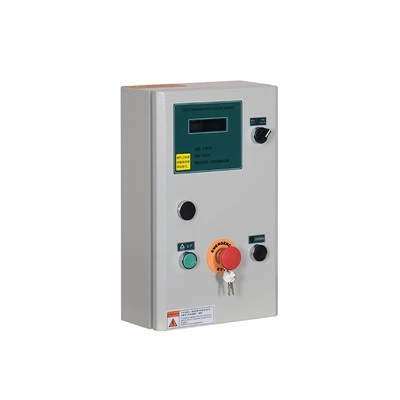
The 3 Phase Asynchronous Fan Control Box is similar to the three - phase asynchronous fan controller, but it may come in a more enclosed and protected form. The control box provides additional protection against dust, moisture, and physical damage. Depending on the design, the lifespan of a 3 phase asynchronous fan control box could be similar to or even longer than that of a regular three - phase asynchronous fan controller.
If you're in the market for a reliable three - phase asynchronous fan controller, we're here to help. Our products are designed with quality and durability in mind. We use the best components and the latest technology to ensure that our controllers meet your needs. Whether you're looking for a controller for a new installation or need to replace an old one, we've got you covered.
If you have any questions or want to discuss your specific requirements, don't hesitate to reach out. We're happy to help you choose the right product for your application. Contact us today to start the procurement process and let's work together to find the best solution for your fan control needs.
References
- Electrical Engineering Handbook, 3rd Edition
- Fan Systems Optimization Guide