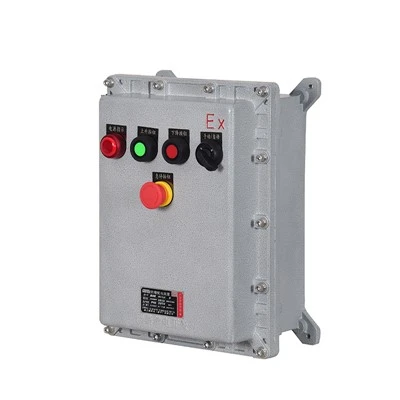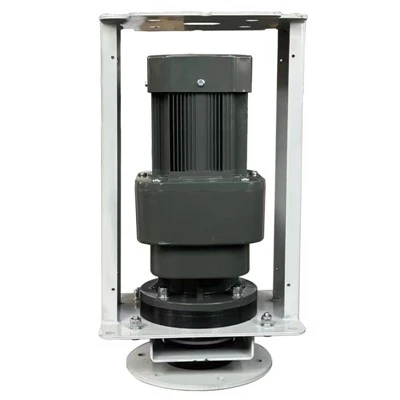

Yo! I'm stoked to chat about the key parameters of Closed Loop Vector Control Vfd, and as a supplier of these cutting - edge devices, I've got a ton of hands - on experience to share.
Let's kick things off by understanding what a Closed Loop Vector Control Vfd is. It's a pretty cool piece of tech that provides really precise control over the speed and torque of an electric motor. It's a game - changer in lots of industries, from manufacturing to automation. You can learn more about it right here.
Key Parameters
1. Speed Control Accuracy
One of the most important parameters of a Closed Loop Vector Control Vfd is speed control accuracy. In a lot of industrial applications, having a motor running at a very specific speed is super crucial. Whether it's in a conveyor belt sys to ensure that products move at a consistent pace or in a precision manufacturing process, the ability to control the motor's speed accurately can make or break the operation.
With a Closed Loop Vector Control Vfd, we can achieve really high - level speed control accuracy. It can maintain a constant speed even when there are changes in the load. For example, if you're using a motor to drive a pump, and the pressure in the system changes, the Vfd will adjust the motor speed to keep everything running smoothly.
2. Torque Response
Torque response is another key parameter. Torque is what makes the motor turn, and a quick torque response means that the motor can start, stop, and change speed rapidly. This is especially important in applications where you need to make quick adjustments, like in robotics or high - speed packaging machines.
A Closed Loop Vector Control Vfd can provide excellent torque response. It can detect changes in the load and adjust the torque output almost instantly. This helps in reducing wear and tear on the motor and the equipment it's driving, and it also improves the overall efficiency of the system.
3. Voltage and Current Limits
Voltage and current limits are essential safety features. A motor can be damaged if it's exposed to too much voltage or current. The Closed Loop Vector Control Vfd allows us to set specific voltage and current limits.
If the voltage or current exceeds the set limits, the Vfd will take action to protect the motor. This could mean reducing the speed or disconnecting the motor from the power supply. By doing this, we can ensure the long - term reliability of the motor and avoid costly repairs.
4. Frequency Range
The frequency range determines the minimum and maximum speeds at which the motor can operate. A wider frequency range means more flexibility in terms of the motor's speed.
For example, in a HVAC system, you might need the motor to run at different speeds depending on the demand for heating or cooling. A Closed Loop Vector Control Vfd with a wide frequency range can easily accommodate these varying speed requirements. This not only improves the system's performance but also helps in saving energy.
5. Feedback Resolution
Feedback resolution is all about how accurately the Vfd can measure the motor's speed and position. A higher feedback resolution means more precise control.
We often use sensors like encoders to provide feedback to the Vfd. The Closed Loop Vector Control Vfd processes this feedback information and makes adjustments to the motor's operation. The better the feedback resolution, the more accurately the Vfd can control the motor, leading to better overall performance of the system.
Related Components and Their Interaction
When using a Closed Loop Vector Control Vfd, it often interacts with other important components in the system.
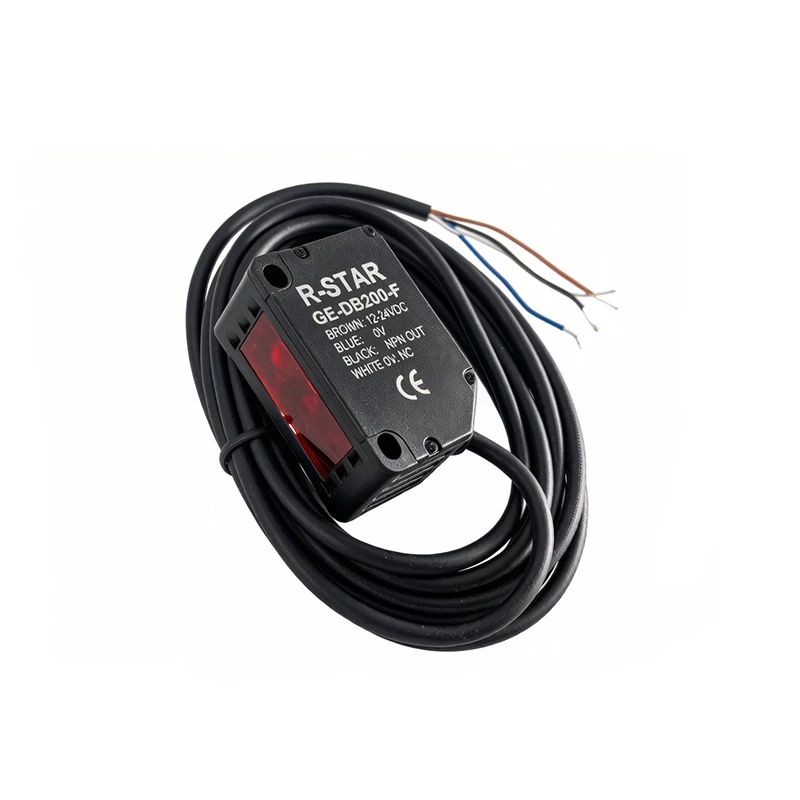
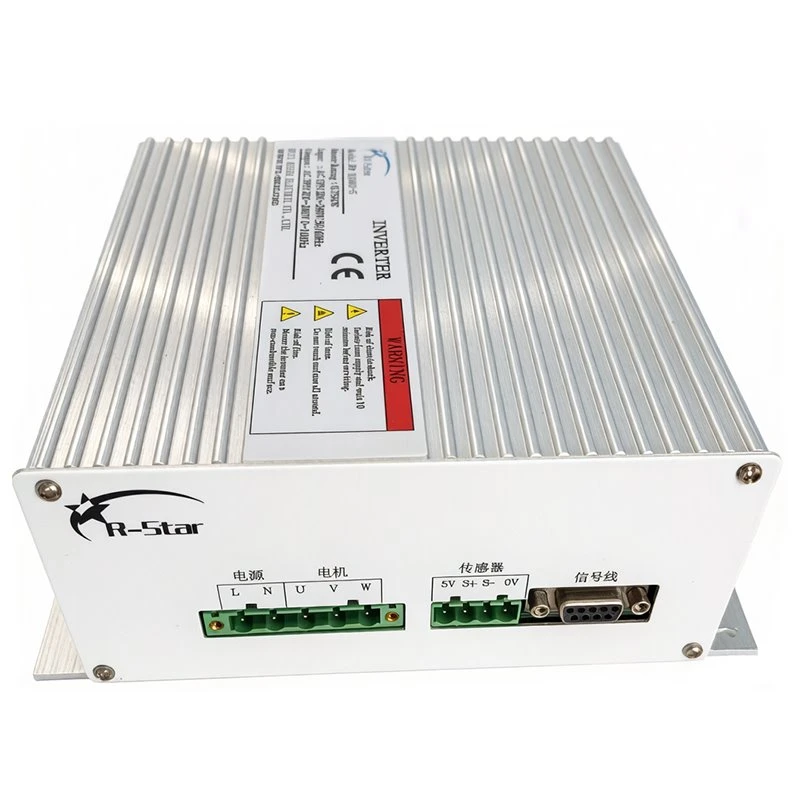
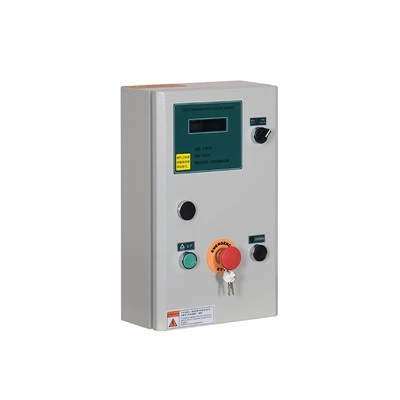
Photoelectric Light Switch
The Photoelectric Light Switch is one such component. It can be used to detect the presence or absence of an object. In a manufacturing line, for example, it can signal the Vfd to start or stop the motor when a product reaches a certain point. This kind of interaction between the components helps in automating the production process and improving efficiency.
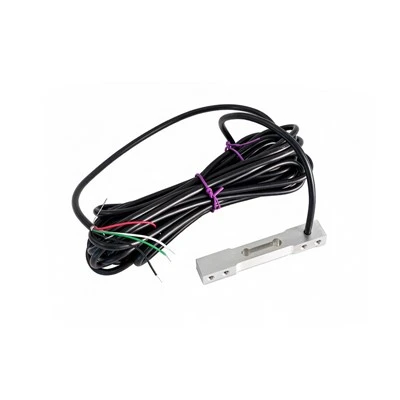
Tension Sensor
The Tension Sensor is also crucial. In applications where there's a need to maintain a consistent tension, like in a printing or winding process, the tension sensor measures the tension and sends the information to the Vfd. The Vfd then adjusts the motor speed and torque to keep the tension within the desired range.
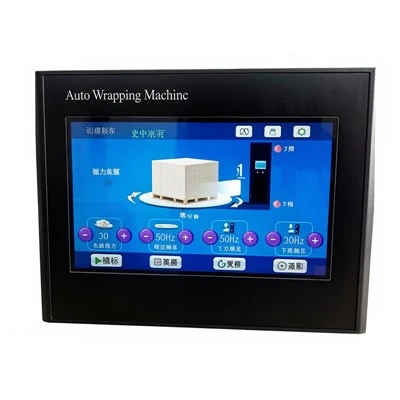
All - in - One Touch Controller for Wrapper Machine
The All - in - One Touch Controller for Wrapper Machine offers an easy - to - use interface for operators to control the Vfd. With a touch of a button, they can set different parameters like speed, torque limits, etc. This simplifies the operation and reduces the chances of human error.
Comparison with Sensorless Vector VFD
It's worth comparing the Closed Loop Vector Control Vfd with the Sensorless Vector VFD. The Sensorless Vector VFD is a more cost - effective option as it doesn't require additional sensors. However, its performance in terms of speed and torque control accuracy is not as high as that of the Closed Loop Vector Control Vfd.
The Closed Loop Vector Control Vfd uses feedback from sensors to achieve very precise control. In applications where high precision is required, such as in a high - end manufacturing process or a robotics application, the Closed Loop Vector Control Vfd is the clear winner.
Why Choose Our Closed Loop Vector Control Vfd?
As a supplier, we've fine - tuned our Closed Loop Vector Control Vfd to meet the highest standards. We've got a team of experts who've been in the field for years, making sure that each and every unit we produce is of top - notch quality.
Our Vfds are easy to install and operate. We also provide excellent after - sales support, so if you run into any issues, our team is just a call or an email away. We understand the importance of keeping your operations running smoothly, and we're committed to helping you achieve that.
Get in Touch
If you're interested in our Closed Loop Vector Control Vfd or want to learn more about how it can benefit your business, don't hesitate to reach out. We're always happy to have a chat and discuss your specific needs. Whether you're a small - scale business or a large corporation, we've got the solution for you. Let's talk about how we can help you take your operations to the next level.
References
- Industrial Motor Control Handbook
- Electrical Drives and Control Systems Textbooks