
Hey there! As a supplier of Sensorless Vector VFDs, I've seen firsthand how these nifty devices can revolutionize industrial operations. But like any piece of equipment, they've got their quirks and specific environmental needs to keep in mind. So, let's dive into what environmental conditions a Sensorless Vector VFD should avoid.
Extreme Temperatures
One of the biggest no - no's for a Sensorless Vector VFD is extreme temperatures. These drives are designed to work within a certain temperature range, usually around 0°C to 50°C (32°F to 122°F). When it gets too hot, the internal components start to overheat. The transistors, capacitors, and other electrical parts in the VFD are sensitive to high heat. For example, excessive heat can cause the insulation of the wires to break down over time, leading to short circuits or other malfunctions.
On the cold side, things can get just as bad. In freezing temperatures, the lubricants in the fans and other moving parts can thicken up. This makes it harder for the fans to spin, which in turn affects the cooling system of the VFD. Additionally, very low temperatures can cause the materials in the circuit boards to contract, potentially leading to cracks or loose connections.
High Humidity
Humidity is another major enemy of Sensorless Vector VFDs. High humidity levels mean there's a lot of moisture in the air. Moisture can seep into the VFD's enclosure and onto the circuit boards. Once the boards get wet, corrosion starts to set in. Corrosion can eat away at the metal traces on the boards, interrupting the flow of electricity and causing the VFD to malfunction.
Moreover, if the humidity is high enough and the temperature drops suddenly, condensation can form inside the VFD. This is like having little droplets of water sitting on the delicate electrical components. Condensation can short - circuit the components and lead to permanent damage. That's why in areas with high humidity, it's often necessary to use dehumidifiers in the same room as the VFD or choose VFDs with better moisture - resistant enclosures.
Dust and Dirt
Dust and dirt seem like harmless little things, but they can cause big problems for Sensorless Vector VFDs. These tiny particles can accumulate on the heatsinks of the VFD. The heatsinks are crucial for dissipating heat from the internal components. When they're clogged with dust, their ability to transfer heat is severely reduced. This means that the VFD can overheat more easily, even if the ambient temperature is within the acceptable range.
In addition to the heatsinks, dust can also get into the ventilation openings of the VFD. This restricts the airflow, which is necessary for keeping the drive cool. And if dust gets inside the VFD and settles on the circuit boards, it can act as a conductor in some cases, leading to electrical leakage or short - circuits. So, it's super important to keep the VFD's environment clean and use filters to prevent dust from entering.
Vibration and Shock
Sensorless Vector VFDs aren't fans of excessive vibration and shock. Vibration can cause the internal components to loosen over time. For example, the screws that hold the circuit boards in place can gradually become loose due to constant shaking. This can lead to intermittent connections or even cause the boards to shift and touch other components, resulting in a short - circuit.
Shock, like a sudden impact or drop, can be even more damaging. A strong shock can crack the circuit boards or break the delicate soldered connections. This can render the VFD completely inoperable. That's why it's important to mount the VFD on a stable surface and avoid any rough handling during installation or maintenance.
Chemicals and Corrosive Gases
Exposure to chemicals and corrosive gases is a definite no - go for Sensorless Vector VFDs. Chemicals such as acids, alkalis, and solvents can corrode the metal parts of the VFD. Even a small amount of these chemicals can start to eat away at the enclosure, the connectors, and the internal components.
Corrosive gases, like sulfur dioxide or chlorine, can also have a similar effect. They can react with the metal and non - metal materials in the VFD, causing degradation and failure. In industrial settings where these chemicals or gases are present, it's important to use proper ventilation systems and enclosures to protect the VFD.
Electrical Noise
Electrical noise is another environmental factor that Sensorless Vector VFDs need to avoid. Electrical noise can come from a variety of sources, such as other electrical equipment in the same area, power surges, or electromagnetic interference. This noise can disrupt the normal operation of the VFD.
For example, it can cause the control signals to get distorted, leading to inaccurate speed control or other performance issues. To reduce the impact of electrical noise, it's often necessary to use shielding cables for the VFD connections and install filters to suppress the unwanted electrical signals.
Why It All Matters
Understanding these environmental conditions and avoiding them is crucial for the long - term performance and reliability of Sensorless Vector VFDs. When a VFD is operating in an unsuitable environment, its lifespan can be significantly shortened. This means more frequent replacements, which can be costly for businesses.
Moreover, a malfunctioning VFD can lead to production downtime. In industrial settings, every minute of downtime can result in lost productivity and revenue. So, taking the time to ensure the VFD is in the right environment is a smart investment.
Our Products and Further Considerations
At our company, we offer high - quality Sensorless Vector VFD that are designed to perform well within the specified environmental conditions. However, we understand that each industrial setup is unique, and sometimes, it's not always possible to have an ideal environment. That's why we also provide additional solutions to help protect the VFDs.
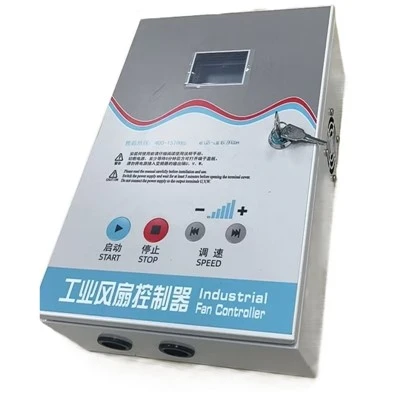
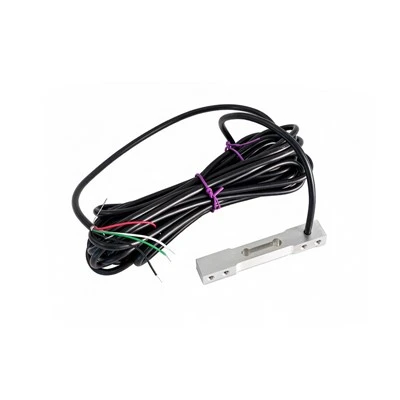
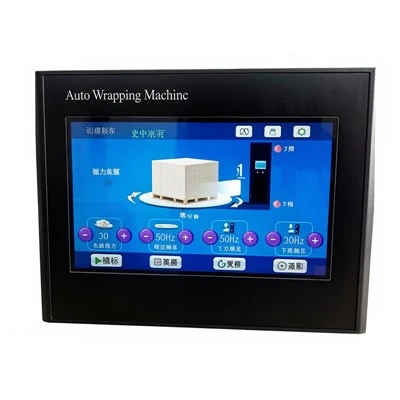
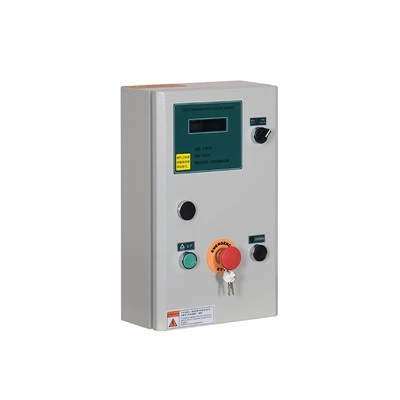
For example, our All - in - One Touch Controller for Wrapper Machine is built with robustness in mind and can work in tandem with the Sensorless Vector VFD. Our Tension Sensor is another great addition to the system, ensuring smooth and efficient operation. And if you're looking for a complete solution, our Mobile Wrapping Machine Full Set System includes all the necessary components, including the Sensorless Vector VFD, to meet your industrial needs. We also have the 3 - in - 1 DC Driver which can complement the VFD in certain applications.
Let's Connect
If you're in the market for a reliable Sensorless Vector VFD or have any questions about the environmental conditions they should avoid, don't hesitate to reach out. We're here to help you make the best decisions for your industrial operations. Contact us for procurement and let's start a discussion on how our products can improve your setup.
References
- Brown, J. (2020). Industrial Drive Systems: Operation and Maintenance. Publisher X.
- Green, A. (2019). Environmental Factors Affecting Electrical Equipment. Journal of Industrial Electronics.